

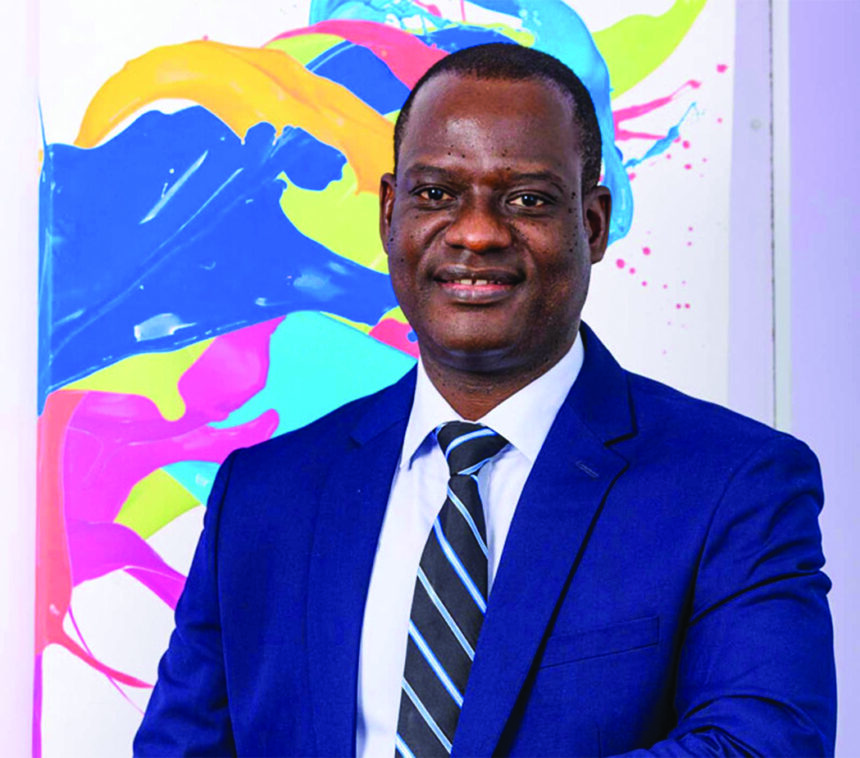
Taiwo Oyedele, minister of finance and coordinating minister of the economy, says the federal government will introduce fuel tax when the economy stabilises and income levels improve enough for Nigerians to accommodate it.
Oyedele spoke during an exclusive interview with Rotus Odiri, Arise TV business correspondent, on the sidelines of the 2026 International Monetary Fund (IMF) and World Bank annual meetings in Bangkok, Thailand.
Responding to a question on whether the government plans to introduce fuel tax, Oyedele said taxes account for between 20 and 80 percent of pump prices in some countries, while many African countries impose between six and 10 different taxes on fuel products.

He said introducing fuel tax while petrol was still subsidised would have been counterproductive because the government would effectively be paying the tax itself.
The minister added that imposing the tax immediately after the removal of petrol subsidy would have placed additional pressure on Nigerians.
“The objective should be that instead of trying to suppress prices, which hasn’t worked for us, it hasn’t worked for any country in the world, not one. Instead of trying to suppress prices, think about how to grow income faster than prices rise,” Oyedele said.
“That’s how you bring prosperity and grow the middle class and that is exactly what we are doing as led by Mr. President himself.
“At the appropriate time, when the economy has stabilised and income level will be able to accommodate it, those taxes will come. Not because we want to impose taxes.”
‘FUEL TAX WILL FUND ROADS, SERVE AS BUFFER AS PRICE SHOCKS’
The minister said revenue from the proposed levy would be dedicated to road infrastructure and the development of a fuel reserve “to help moderate prices of fuel products if anything happens”.
Oyedele added that the reserve could also serve as a buffer, allowing the government to temporarily waive the tax during future price shocks.
“The good thing is that the law says that tax cannot come into effect until there is a gazette. There has to be an order published in the gazette by the finance minister, which means we can’t do it in secret. Plus, we have no intention of doing stuff in the secret,” he said.
“At the appropriate time, it will be clear to everyone why it needed to be done and the benefits will be clear also to every Nigerian.”
Oyedele also explained the sequence of the petrol subsidy removal and foreign exchange reforms, saying the government initially removed the subsidy on petrol prices before allowing the naira to adjust gradually.
He said the exchange rate was a major factor influencing petrol prices, adding that the government had considered the impact of the reforms on Nigerians.
“When it got to a point… you know at a point when naira was N1,800, N1,900, I can’t remember where it got to, I think 1,600 or 1,700, government had to put a lead on it without announcing it,” he said.

“That is the reason why there was still a bit of subsidy in 2023. It was to manage that process because you need to be mindful of the impact on the people.”
According to the minister, the petrol subsidy was completely removed in October 2023, when the subsidy on both petrol price and foreign exchange was no longer in place.
Stay ahead with the latest updates!
Join The Podium Media on WhatsApp for real-time news alerts, breaking stories, and exclusive content delivered straight to your phone. Don’t miss a headline — subscribe now!
Chat with Us on WhatsApp