

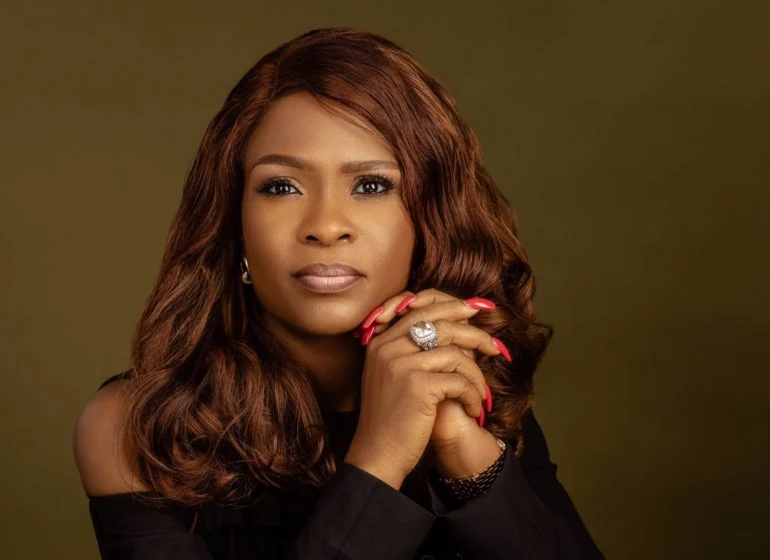
Atinuke Ngozi Babatunde, MultiChoice Group’s executive head of content and channels for West Africa, has built a career spanning more than two decades across media, marketing and entertainment. From her early roles in marketing and research to leading television channels and overseeing content development, her professional journey has been defined by learning, adaptability and intentionality. In this interview with TheCable Lifestyle’s TAIWO OSHUNOLYE, she discusses her career path, how MultiChoice balances audience expectations, shifting viewing habits, and the importance of visibility for young Nigerian creatives.
TheCable Lifestyle: You have built a career in media, marketing and entertainment for over two decades. How has the journey been, and what experiences have shaped the professional you are today?

Atinuke: My journey has been very interesting. As you rightly pointed out, I have built a career across different aspects of the industry. I think what has shaped my career is the fact that I started in marketing, particularly research, before moving into media, then brand management, and eventually the television space. Over the years, what has shaped my career most is deliberate intentionality. I am very intentional about whatever I find myself doing.

When I moved into television, I was initially worried because I had not applied for a television role. I actually applied for a marketing position, but I was told I could take on the role of head of channel. That was how I found myself in the television industry.
My journey has been shaped by being intentional about every role I take on. I put in my best and make sure I learn everything required of me.
When I entered television, I learnt everything from scheduling and buying to editing. When I moved to MTN and joined the academy, it was almost like going back to school because I also had to learn how to manage and run an academy. So, my career has been about being intentional in whatever I do and ensuring that I acquire all the knowledge and skills required for each role.
TheCable Lifestyle: As the executive head, content and channels, West Africa, at MultiChoice Group, how do you balance audience expectations with the need to develop fresh and original African content?
Atinuke: The good thing is that we can track audience expectations. We have data and insights that help us understand what viewers want. We also have six channels that allow us to tailor content to the different needs of our audiences.
For instance, we have local-language channels for Yoruba, Hausa and Igbo audiences. These three channels cater to the needs of people from those regions, recognising that Nigeria is made up of different ethnic groups and languages.
For audiences who speak other indigenous languages, we try to create room for their cultures by incorporating them into the dramas we produce on Africa Magic Showcase. Showcase is the channel we use to highlight different stories and cultures from across Nigeria. So, you could watch a telenovela that explores Ibibio, Benue or Niger cultures.
We use each of our channels to meet audience needs based on the data and insights available to us. Africa Magic Family, for instance, caters to families. We have a lot of family-oriented content, including game shows, children’s programmes and other productions that families can enjoy together.
Then we have Africa Magic Epic, which caters to viewers who have followed Nollywood for many years and appreciate its traditional storytelling. So, we are able to balance audience expectations by using our different channels to serve the specific interests of our viewers.
TheCable Lifestyle: What factors influence the kind of content MultiChoice commissions or acquires for West African audiences? Also, have viewers’ preferences changed over the years?
Atinuke: You have already touched on the first part of the question. Without the audience, we do not have a business. The first thing that influences the kind of content we commission is audience preference. What do viewers want? What are they interested in seeing? What kind of stories do they want to be part of? What cultures do they want to see reflected in the content we offer?
These are the things that determine the stories we tell. Of course, every story must have a hook, and that hook must connect with what the audience wants. In terms of viewers’ preferences, yes, they have changed over the years, and we have also tried to evolve with those changes. If you remain stuck in what you used to do, you will eventually lose your viewers.
I mentioned in a previous interview that viewers were once accustomed to watching content with as many as 260 episodes. We had productions such as ‘Battleground’ and ‘Hush’ that ran for hundreds of episodes. However, our data showed that viewers were beginning to experience fatigue with such lengthy productions, particularly telenovelas.

We discovered that viewers’ attention spans were becoming shorter. They wanted to watch a story and move on to something else. That is why we are now creating shorter productions, including 39-episode and 26-episode series, to align with the changing needs and viewing habits of our audiences.
TheCable Lifestyle: With streaming platforms such as Netflix and Prime Video giving viewers more entertainment options, how is MultiChoice adapting to changing viewing habits and increased competition?
Atinuke: We have DStv Stream. We are conscious of the fact that streaming platforms are available, and we are not sitting back either. We understand that viewers’ needs are changing and that people want to watch content while on the move. That is why we have DStv Stream, which allows subscribers to watch programmes on their mobile phones and other devices.
I dare say that we have one of the widest ranges of content available on our streaming platform. We have movies, sports, local dramas, children’s programmes and virtually everything viewers are looking for. So, we are not ignorant of the presence of other streaming platforms. We are also building our own platforms to cater to people who prefer to watch content on the go.
TheCable Lifestyle: African filmmakers continue to face challenges, particularly with funding, distribution and reaching wider audiences. What do you think industry stakeholders can do to help more local productions succeed?

Atinuke: Industry stakeholders have a role to play. At MultiChoice, one of the things we are doing is commissioning as many movies and productions as possible to support the industry. We could decide to produce everything in-house, but we choose to commission content from independent filmmakers.
This helps them build their portfolios and businesses while creating opportunities for more people within the industry. On funding, I know there are organisations that provide loans specifically for creatives. I believe stakeholders can establish more institutions and funding bodies that help people in the industry access the financial support they need.
In terms of distribution, I also believe many filmmakers focus on just one source. They produce a movie and take it to only one channel or distribution platform. I think there should be more education to help filmmakers understand that there are several distribution opportunities available.
They should look beyond Nigeria and Africa and explore how their content can reach wider audiences across the world. Lastly, many filmmakers are not utilising social media as much as they should. Social media is a low-cost platform where you do not have to pay huge amounts of money to showcase your work.
You simply need to create a page and start promoting what you do. You can be in Nigeria and have your work reach audiences anywhere in the world. Those are some of the things I believe industry stakeholders and filmmakers can do to improve the industry.
TheCable Lifestyle: African content creators take pride in telling their own stories rather than allowing international filmmakers or organisations to define African narratives. However, the industry has grown, and African productions now have international audiences. How can filmmakers tell culturally authentic stories that also appeal to viewers beyond the continent?

Atinuke: The good thing about our stories is that they already appeal beyond our borders. For instance, our Africa Magic Epic content reaches audiences outside Nigeria and even beyond Africa. When we take some of our productions to other countries, we discover that there are still audiences who appreciate and connect with them.
What filmmakers must always remember is that their audience is not limited to the people within their immediate environment. There are certain human experiences and emotions that are universal, regardless of whether someone lives in Europe, Africa, Asia or America.
Those universal elements should be incorporated into our stories and content to make them relatable to people across different regions. Every story must have a hook that allows audiences from different backgrounds to connect with it. However, not every story has to be created specifically for an international audience.
Sometimes, you are telling a story because of its cultural relevance and importance to a particular location. For stories that are designed to travel across borders, there must be relatable human experiences that people everywhere can understand. Comedy, love and emotions, for instance, are universal languages.
When we incorporate these elements into our movies, audiences across different cultures can connect with the stories.

TheCable Lifestyle: Finally, if you met a young Nigerian creative today, what is the one piece of advice you would give them?
Atinuke: I would tell that young creative to make themselves visible. At the end of the day, no matter how creative you are, if people do not see you or know what you do, you might as well hide yourself in a cupboard with all your creativity. One thing I would continually tell young creatives is to make themselves visible.
As I mentioned earlier, instead of using social media to fight wars and engage in online arguments, use it to create something that showcases your body of work. Whatever your area of specialisation is, whether you are a writer, editor or filmmaker, use your social media platforms to showcase what you do.
That way, when you apply for a role or seek an opportunity to work with someone, and they ask to see your portfolio, you can simply direct them to your page. You should be able to show people what you have done rather than struggle to explain your experience or remember every project you have worked on. That is one piece of advice I would give any young creative I meet.
Source: The Cable
Stay ahead with the latest updates!
Join The Podium Media on WhatsApp for real-time news alerts, breaking stories, and exclusive content delivered straight to your phone. Don’t miss a headline — subscribe now!
Chat with Us on WhatsApp