



Have high blood pressure? Try adding more of these dietitian-approved plant proteins to your plate.
- A simple shift toward plant proteins may support healthier blood pressure.
- Dietitians recommend lentils, tofu, beans and pumpkin seeds, as they offer protein, fiber and other nutrients.
- To eat more plant proteins, embrace variety, try batch cooking and remember to keep it simple.
If you’re hoping to move the needle on your blood pressure, don’t overlook the power of plant proteins like beans, lentils, tofu and more. Adding them to your plate regularly could positively impact your blood pressure—not to mention your heart health as a whole. In fact, research suggests that for every 20 grams of plant protein individuals consumed daily, the risk for high blood pressure decreased by 16% compared those who ate little plant-based protein.1
So which plant proteins should you be adding to your plate? We asked dietitians to share their top picks as well as suggestions for incorporating more plant-based proteins into your diet.

1. Lentils
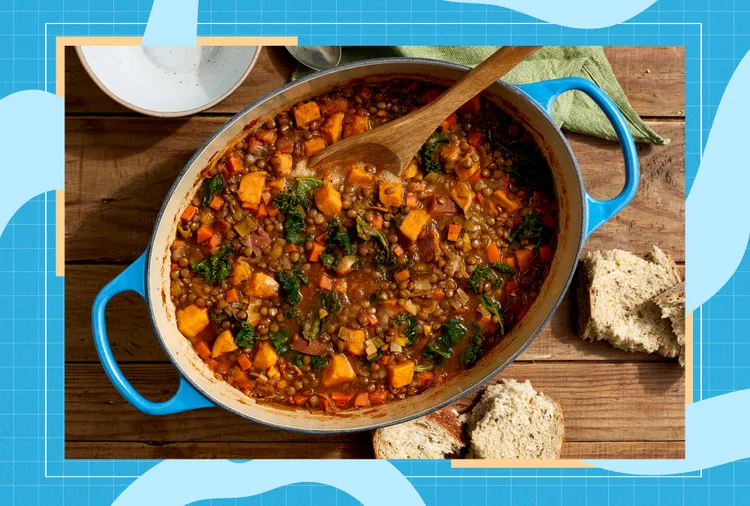
More than likely, you already have some dried lentils waiting for you in the pantry. This budget-friendly staple checks off a long list of nutrients that are beneficial for blood pressure control. “Lentils contain potassium and magnesium, which are two minerals that relax your blood vessels and counter the effect sodium has on blood pressure,” says Ashley Kitchens, M.P.H., RD.2 Just 1 cup of cooked lentils provides over 15% of the Daily Value for both of these electrolytes.3
You’ll also score plenty of protein, since that same 1-cup serving has 18 grams, which is more than most beans. Not to mention, it’s providing nearly 16 grams of fiber. All in all, lentils pack a lot of potential blood pressure benefits into a small package.4
2. Tofu
Tofu is one of the most popular plant-based proteins, and it offers plenty of flexibility in the kitchen since it has a neutral flavor that can be jazzed up in countless ways. It can also get you closer to your protein goals: a 3-ounce portion of firm tofu provides 7 grams of protein.5 Research suggests that eating tofu several times a week can help lower your blood pressure, per Kitchens.6
One reason soy foods may be so beneficial for blood pressure is that they provide phytoestrogens. These compounds, which act like a weaker form of the hormone estrogen, may help lower blood pressure by stimulating compounds that dilate your blood vessels and reduce arterial stiffness.7
3. Beans
Beans are a heart-health powerhouse. No matter the variety, they are chock-full of fiber, protein and other essential nutrients that are a boon for your heart and blood pressure. Like lentils, beans are also naturally high in potassium and magnesium, which help to relax the walls of blood vessels, lowering blood pressure, says Rhyan Geiger, RDN. Let’s take black beans, for example—just 1 cup of cooked black beans provides more than 15% of the Daily Value for both of those nutrients, in addition to 14 grams of filling protein.8
These mighty legumes also contain soluble fiber that can be fermented in the gut to produce short-chain fatty acids, which can help blood vessels relax, lowering blood pressure.9 Beans are also a good protein option for better blood pressure because of what they don’t have. “Beans are naturally low in sodium, and choosing no-salt-added canned varieties keeps sodium intake low,” adds Geiger.
4. Pumpkin Seeds
When you’re trying to manage your blood pressure, snacking on nuts and seeds can be a smart move. However, if you had to choose one to put at the top of the list, make it pumpkin seeds. They offer a surprising amount of protein, 8 grams per 1 ounce (or about ¼ cup).10 Like beans and legumes, pumpkin seeds also contain plenty of fiber, potassium and magnesium.
However, one reason that pumpkin seeds stand out from the rest is that they are rich in the amino acid L-arginine, which serves as a precursor to nitric oxide, per Sapna Peruvemba, M.S., RDN. “Nitric oxide helps blood vessels relax and widen, improving blood flow and supporting healthy blood pressure levels. Soy foods and pumpkin seeds are particularly rich sources,” she says.11
Ways to Eat More Plant Protein
Want to start adding more plant proteins to your diet to help manage high blood pressure, but don’t know where to start? Dietitians shared their top tips for eating more plant proteins.
- Plan your meal around plant protein: We’re used to planning our meals around a protein like chicken or fish, but you might not have thought to do the same for beans or lentils. Kitchens recommends centering your meal and snack around plant protein first. “From there, build out the rest of your plate with other foods. It may sound simple but when you keep this in mind, it works,” she adds.
- Embrace variety: “Variety is key when it comes to plant protein. Incorporating all types of plant protein into your diet offers more nutrient benefits alongside the protein. For example, soy is a complete protein, meaning it has all essential amino acids, while beans and lentils are great sources of iron,” says Geiger.
- Batch-cook: “To make it easier to eat more protein, I recommend batch-cooking for the week or a few days. Cooking a large pot of lentils or baking blocks of tofu for the week to keep in the fridge makes eating protein easier,” says Kitchens.
- Keep it simple: You don’t need to come up with new meals to add more plant proteins to your diet. Rather, focus on making simple swaps within meals you already enjoy, suggests Peruvemba. “If pasta is a staple, try using lentil or chickpea pasta, stirring in cooked lentils, or blending silken tofu into the sauce for an extra protein boost. With beef prices still at record highs, replacing some or all of the meat in meals with beans, lentils or tofu is also a simple way to save money,” she says.
Our Expert Take
High blood pressure is one of the biggest risk factors for heart disease and stroke. The good news is that adopting healthier habits can help you manage it. For example, adding plant proteins to your plate more often is a simple shift that may help lower your blood pressure. Dietitians say to prioritize lentils, tofu, beans and pumpkin seeds, as these protein picks are packed with nutrients that can support healthier blood pressure.
Source: www.eatingwell.com
Stay ahead with the latest updates!
Join The Podium Media on WhatsApp for real-time news alerts, breaking stories, and exclusive content delivered straight to your phone. Don’t miss a headline — subscribe now!
Chat with Us on WhatsApp