



Irma Davarashvili is a high-performance strategist and entrepreneur focused on leadership, business and human performance.
Most people grow up believing that talent is something you are born with. We admire exceptional athletes, entrepreneurs, artists and leaders, assuming they simply had something special from the beginning, something others did not. But after years of working in elite sports and high-performance environments, I realized something very different.
Talent alone rarely creates extraordinary results. You can be naturally gifted, but without the right mindset, structure, discipline and resilience, talent often remains unused potential.

Throughout my career, I have seen individuals with less natural ability achieve far greater success than those considered exceptionally talented. The difference was never talent alone. The difference was how they developed it, how they responded to pressure and whether they were willing to continue improving when the process became uncomfortable.
What truly separates high performers is not talent itself but their ability to build consistency, emotional resilience and the capacity to continue long after motivation disappears.
Building Clarity Before Performance
The first step was not to chase the biggest result immediately. The first step was clarity.
We analyzed the current situation honestly and created a process built around smaller, measurable goals. Instead of trying to transform everything overnight, we focused on progression. Step-by-step. Layer by layer.
That process also required adaptability, something I believe is one of the most underestimated aspects of high performance.
Too often, people try to force the same system onto everyone. But performance does not work that way. Every athlete, every leader and every individual responds differently to pressure, fatigue, motivation and learning. A strategy that works perfectly for one person can completely fail for another.
The Role Of Adaptability And Feedback
Part of my role became understanding how this athlete functioned mentally and physically. How did she react under pressure? What happened when exhaustion appeared? What type of feedback created improvement, and what type created collapse?
One important realization changed the direction of the process entirely: When fatigue reached a certain level, pushing harder stopped producing results. More pressure did not create better performance. It created emotional shutdown.
Sometimes the answer is not more intensity. Sometimes the answer is a better strategy.
From there, we rebuilt the foundation almost from scratch. In many ways, the process involved unlearning old habits before building new ones correctly.
Training The Whole System
But the transformation was not limited to technical training alone.
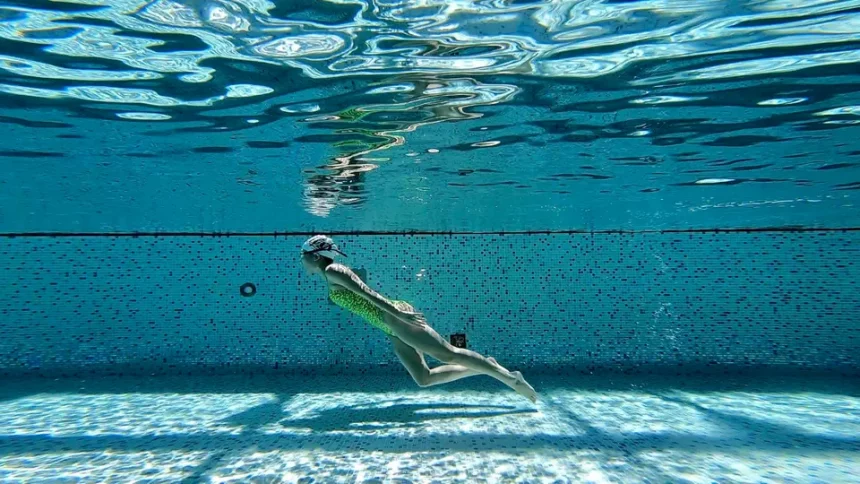
We introduced dance to improve emotional openness, body awareness and movement quality. We worked on breathing mechanics because, in artistic swimming, breathing is directly connected to control, endurance and mental stability. We added strength training, acrobatics, conditioning and other disciplines that supported overall athletic development rather than focusing narrowly on one area.
One of the most important additions, however, was sports psychology.

As competitions approached, physical symptoms would often appear unexpectedly—shoulder pain, tension, discomfort and emotional instability. Through deeper analysis, it became clear that many of these reactions were connected not only to the body but also to fear.
Fear of failure.
Fear of not being perfect.
Fear of disappointing others.

And this is not unique to athletes. It exists in business, leadership, entrepreneurship and everyday life. Many people want success, but at the same time, they fear failure so deeply that they avoid the very process required to grow. They wait for certainty, perfection or confidence before taking action.
But high performance rarely develops under perfect conditions. It develops through discomfort, repetition, adaptation and the willingness to fail without allowing failure to define identity.
The Outcome And The Deeper Lesson
Over time, the transformation became undeniable. The athlete who once lacked structure, confidence and direction eventually reached one of the highest competitive levels in the country, ultimately becoming a Junior Olympic champion.
But for me, the most important lesson was never the title itself. The real lesson was understanding, once again, that talent is only the starting point.
Talent may open the door, but it does not guarantee resilience, discipline, emotional control or long-term growth. Those qualities are built deliberately through process, self-awareness and consistent effort over time.
In today’s world, people often celebrate visible success while ignoring the invisible structure behind it. We see achievements, recognition and results but rarely the years of rebuilding, adaptation and failure that made those outcomes possible.

The highest performers are not always the most talented people in the room. Often, they are simply the ones willing to continue when others stop. Because talent can create potential. But mindset, structure and resilience are what transform potential into performance.
Source: Forbes
Stay ahead with the latest updates!
Join The Podium Media on WhatsApp for real-time news alerts, breaking stories, and exclusive content delivered straight to your phone. Don’t miss a headline — subscribe now!
Chat with Us on WhatsApp