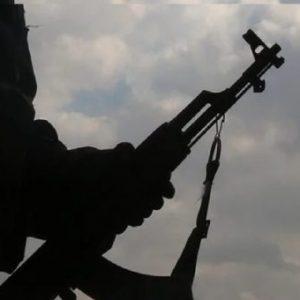





A group of senior commanders of the Islamic State West Africa Province (ISWAP) have reportedly surrendered to Nigerian troops in Borno state.
According to Zagazola Makama, a counter-insurgency publication, the commanders abandoned their strongholds after weeks of sustained military offensives, precision air strikes and intelligence-led operations that have continued to weaken the group’s operational capacity.
“The sources said the surrendered commanders are currently being held at a secure military facility, where they are undergoing profiling, intelligence debriefing and other procedures in line with established operational protocols,” Makama reported.

“Although security authorities have not disclosed the identities of the surrendered commanders for operational reasons, their defection is regarded as another major setback for ISWAP’s leadership structure and a reflection of the increasing pressure being mounted by troops across the theatre.
“Military sources attributed the development to the relentless tempo of Operation HADIN KAI, which has intensified coordinated land and air operations targeting terrorist enclaves, logistics bases, supply routes and command centres across Borno and other parts of the North-East.”
Makama said the sustained military campaign has severely restricted the terrorists’ movement, disrupted their supply networks and reduced their ability to coordinate large-scale attacks, prompting many fighters and commanders to reconsider their involvement in the insurgency.
The publication noted that the latest surrender comes just days after dozens of terrorists laid down their arms in different locations across the north-east theatre of operations.
Makama said military records indicate that at least 76 terrorist fighters, alongside some of their family members, voluntarily surrendered to troops under Operation Hadin Kai within the past week.
According to the publication, security analysts believe the growing number of defections is the result of sustained military pressure, deteriorating living conditions inside terrorist camps, dwindling supplies and increasing distrust among members of the insurgent group.
“Recent intelligence has also pointed to increasing divisions within ISWAP’s leadership, with disagreements over operational decisions, dwindling resources and command authority contributing to declining morale among fighters,” Makama said.
“Military authorities maintain that the current operational strategy, which combines precision combat operations, intelligence-led targeting, air interdiction missions and close collaboration among security and intelligence agencies, is steadily reducing the operational space available to terrorist groups across the North-East.”
Stay ahead with the latest updates!
Join The Podium Media on WhatsApp for real-time news alerts, breaking stories, and exclusive content delivered straight to your phone. Don’t miss a headline — subscribe now!
Chat with Us on WhatsApp