



Public relations leaders have called for greater use of digital platforms to preserve African cultural heritage, promote indigenous knowledge and strengthen Nigeria’s global reputation.
They made the call at the 11th Nigeria Digital Public Relations Summit in Lagos, themed “The Rise of Digital Influence: Culture, Creators and the New PR Playbook.”
The Secretary-General of the African Public Relations Association (APRA), Omoniyi Ibietan, urged communication professionals to document and promote African knowledge systems, warning that inadequate representation of the continent’s history in digital spaces could lead to the loss of valuable cultural heritage.

Ibietan said public relations had enormous power to shape perceptions and influence how societies understood their histories, identities and contributions to civilisation.
He, however, regretted that Africa had not adequately documented its indigenous knowledge in ways that connected it to contemporary civilisation and global conversations.
He argued that the limited representation of African historical figures and intellectual traditions in widely accessible digital resources had contributed to the marginalisation of the continent’s contributions to knowledge.
According to him, communication professionals must look beyond conventional media coverage and embrace digital storytelling as a means of preserving and promoting African heritage.
Ibietan cited the historical development of communication, from oral traditions to written literature and digital technologies, to illustrate how societies had used communication to organise themselves and transmit knowledge across generations.
He also called for a broader understanding of media, noting that cultural expression and digital content creation could play significant roles in shaping how Africa was perceived globally.
The APRA secretary-general urged professionals to recognise the importance of contextualising African history and knowledge systems rather than allowing external narratives to define the continent’s identity.
He commended the summit organisers for creating a platform to examine the relationship between digital influence, culture and public relations.
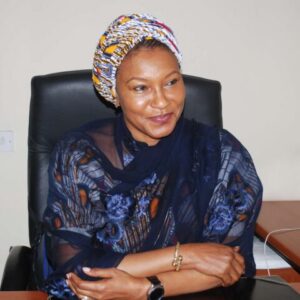
In her remarks, the Chairman of the Public Relations Consultants Association of Nigeria (PRCAN), Dr Nkechi Ali-Balogun, urged Nigerians to stop undermining their country’s reputation through negative narratives and unbalanced portrayals of its challenges.
Ali-Balogun said the growing influence of digital platforms had made responsible storytelling increasingly important, as content creators continued to shape public opinion and influence perceptions of individuals, institutions and countries.
She noted that while digital platforms offered opportunities for greater visibility, the new public relations approach must prioritise authenticity, cultural intelligence, ethical influence and information integrity.
“The new PR playbook must therefore go beyond visibility and virality. It must prioritise authenticity, cultural intelligence, ethical influence, and information integrity,” she said.
The PRCAN chairman stressed that credibility remained essential to influence, while trust formed the foundation of a strong reputation.

She described the responsibility of shaping Nigeria’s image as a collective duty involving government institutions, businesses, religious organisations, media professionals, content creators and ordinary citizens.
According to her, Nigerians must be deliberate about the stories they tell, the values they project and the facts they uphold when discussing the country.
Ali-Balogun illustrated her argument with a market analogy, explaining how the way a seller presents a product can influence its perceived value.
She said Nigerians should avoid unnecessarily devaluing their country through the constant amplification of negative narratives, adding that the country’s strengths and achievements also deserved attention.

“Let us price Nigeria high. Nigeria is a great country,” she said, urging citizens to recognise the country’s potential and communicate its positive attributes more effectively.
She added that the observance of Nigeria Reputation Day provided an opportunity for citizens and institutions to reflect on their individual and collective responsibilities in building a credible national image.
Ali-Balogun also commended the summit convener, Segun McMedal, for sustaining the initiative and providing a platform for discussions on emerging trends in public relations.
The summit brought together communication professionals, digital creators and other stakeholders to examine how culture, technology and online influence are reshaping public relations practice.
Stay ahead with the latest updates!
Join The Podium Media on WhatsApp for real-time news alerts, breaking stories, and exclusive content delivered straight to your phone. Don’t miss a headline — subscribe now!
Chat with Us on WhatsApp