




Backgrounder
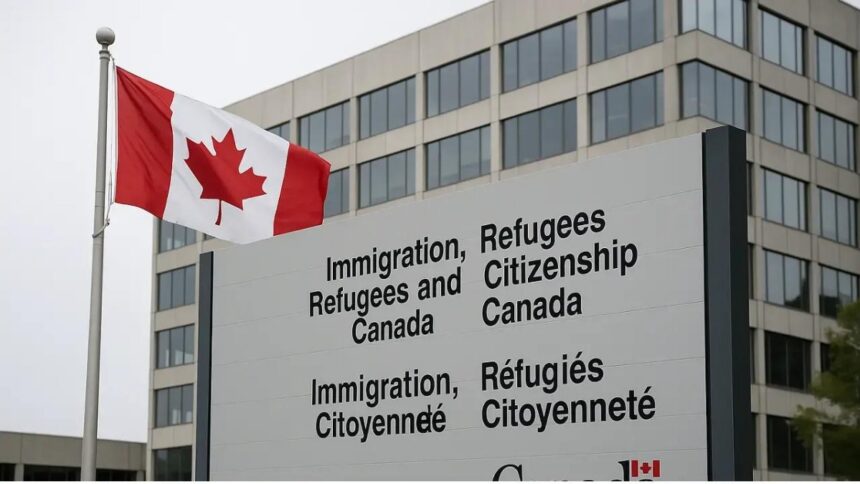
The Government of Canada recognizes that rural and remote communities face unique demographic and labour market challenges that can affect their economic growth, including population decline, an aging workforce and persistent labour shortages. To support these communities, Immigration, Refugees and Citizenship Canada launched the Rural Community Immigration Pilot in January 2025.
On November 9, the Honourable Lena Metlege Diab, Minister of Immigration, Refugees and Citizenship, announced the transition of the pilot into a permanent program.
The new Rural Community Immigration Program will continue the model used in the pilot phase, serving as an economic immigration program that gives skilled workers and international graduates in priority sectors a pathway to permanent residence in Canada. Through a collaborative partnership between Immigration, Refugees and Citizenship Canada and local economic development organizations, the program will support innovative, community-driven approaches to attracting, welcoming, integrating and retaining skilled newcomers in rural and smaller communities across Canada.

The selected communities
The 14 communities that participated in the Rural Community Immigration Pilot are expected to participate in the permanent program:
- Pictou County, Nova Scotia
- North Bay, Ontario
- Sudbury, Ontario
- Timmins, Ontario
- Sault Ste. Marie, Ontario
- Thunder Bay, Ontario
- Steinbach, Manitoba
- Altona/Rhineland, Manitoba
- Brandon, Manitoba
- Moose Jaw, Saskatchewan
- Claresholm, Alberta
- West Kootenay, British Columbia
- North Okanagan Shuswap, British Columbia
- Peace Liard, British Columbia
How communities are selected
Communities were initially selected for the pilot based on the following:
1. Economic needs, including
- an identified labour shortage in various sectors
- vacant jobs that can’t be filled by Canadians or permanent residents
- a strong economic development plan or overall growing economy
2. Capacity to welcome and settle newcomers, including
- access to health care, housing and educational facilities
- settlement organizations and services
3. Administrative experience and capacity, including
- availability of funding to support participation
- experience with other multi-year initiatives
- experience with initiatives aimed at attracting, settling or retaining newcomers
What defines a “rural community”
Communities can apply during the expression of interest process if they have a population under 200,000 and are a remote community, meaning they score 0.20 or higher on Statistics Canada’s Index of Remoteness.
How the program will work
The Rural Community Immigration Program will continue to build on the strong employer-community partnership model established under the Rural Community Immigration Pilot. This model is designed to closely align immigration with local economic priorities while supporting long-term retention of newcomers in rural and remote communities. It is anchored in three core elements:
· Community-driven priority setting:
Participating communities play a lead role in identifying priority sectors and occupations based on local labour market needs and economic development strategies. That way, we can direct immigration to areas experiencing persistent shortages and support sectors that are critical to the sustainability and growth of the local economy.
· Formalized employer role through designation:
Employers are vetted and designated by communities based on their demonstrated labour needs, good standing and ability to support newcomer employees. Only designated employers in priority sectors are able to access the program, ensuring that job opportunities are genuine, aligned with community priorities and responsive to local workforce gaps.
· Enhanced program integrity and employer accountability:
The program includes strengthened integrity measures to support consistent and credible delivery across communities. This includes mandatory employer training to ensure understanding of program requirements and responsibilities, as well as robust monitoring and reporting requirements to track outcomes, support compliance and inform ongoing program improvements.
Together, these elements create a coordinated, locally driven approach that connects immigration selection more directly to community needs, supports employers in addressing labour shortages and improves outcomes for newcomers by fostering successful settlement, integration and long-term retention.
Stay ahead with the latest updates!
Join The Podium Media on WhatsApp for real-time news alerts, breaking stories, and exclusive content delivered straight to your phone. Don’t miss a headline — subscribe now!
Chat with Us on WhatsApp