


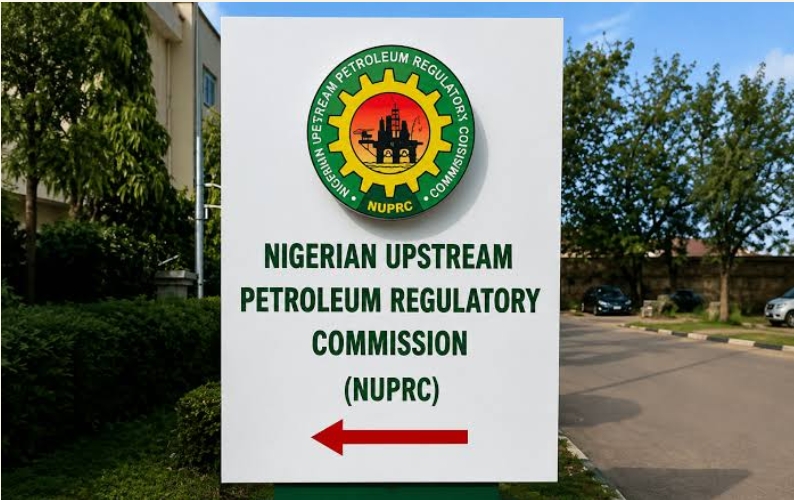
The Nigerian Upstream Petroleum Regulatory Commission (NUPRC) says it has screened 28 oil and gas wells around reported gas seepage locations in Bille Community, Degema LGA of Rivers state, identifying 13 as “high and very high risk”.
According to a statement on Friday by Eniola Akinkuotu, NUPRC spokesperson, the screening oil identified 15 as medium to low risk oil and gas wells.
On March 20, the NUPRC said it had activated a coordinated technical investigation process after a gas seepage incident in Bille community, located within the oil mining lease (OML) 18 corridor in Rivers state.

According to the statement, Joseph Ogunsola, director of subsurface development at NUPRC, speaking at the Annual International Conference and Exhibition of the Nigerian Association of Petroleum Explorationists (NAPE), said investigations continue to determine the source of the seepage in the community.
In his presentation, Ogunsola described gas seepage as a new phenomenon in Nigeria’s petroleum industry, prompting the commission to constitute a team to investigate the source of the bubbles.
Ogunsola, who was represented by Azibamikiomam John-Adumo, NUPRC’s senior manager, onshore frontier development drilling, said studies conducted in one of the affected areas had helped uncover the structural threat.
The NUPRC director said one of the wells was initially drilled for oil exploration but was shut down after gas, rather than oil, was discovered.
He said the well is approximately 2.5 kilometres from the seepage location, adding that investigations are ongoing to determine whether the gas originates from the well or other nearby facilities.
Ogunsola said other wells in the area are between 2.5 and three kilometres from the seepage location, noting that the area is highly explored and hydrocarbon-charged, as reflected in the number of wells in its vicinity.
Providing an update on the wells workstream, which falls under the facility and infrastructure component of the investigation, Ogunsola said the 28 wells were screened based on their proximity to the seepage locations and the reservoirs encountered during drilling.
He said the investigation team physically inspected 14 wells but could not access three others because they were submerged.
During the visits, the NUPRC director said the team observed gas hissing from some wells, while other facilities were found to be corroded or vandalised.
Ogunsola said the investigation had progressed from the first reported bubble to an independent fingerprinting campaign within 12 months.
He recalled that the first seepage was observed in October 2025, adding that results from the independent investigation using gas chromatography-isotope ratio mass spectrometry (GC-IRMS) and compositional field analysis are expected in the fourth quarter (Q4) of 2026.
Ogunsola said while investigation was ongoing, the commission and operators have mobilised relief materials and support for affected communities, including food supplies, medical outreach, efforts to provide potable water, fire vans, and safety kits.
He added that if the seepage is caused by natural geological phenomena, residents may need to be evacuated, as tracing the migration pathways and designing subsurface interventions could be more challenging.

Ogunsola reiterated the commission’s commitment to a speedy, coordinated, and integrated investigation to establish the source of the gas seepage.
Stay ahead with the latest updates!
Join The Podium Media on WhatsApp for real-time news alerts, breaking stories, and exclusive content delivered straight to your phone. Don’t miss a headline — subscribe now!
Chat with Us on WhatsApp