



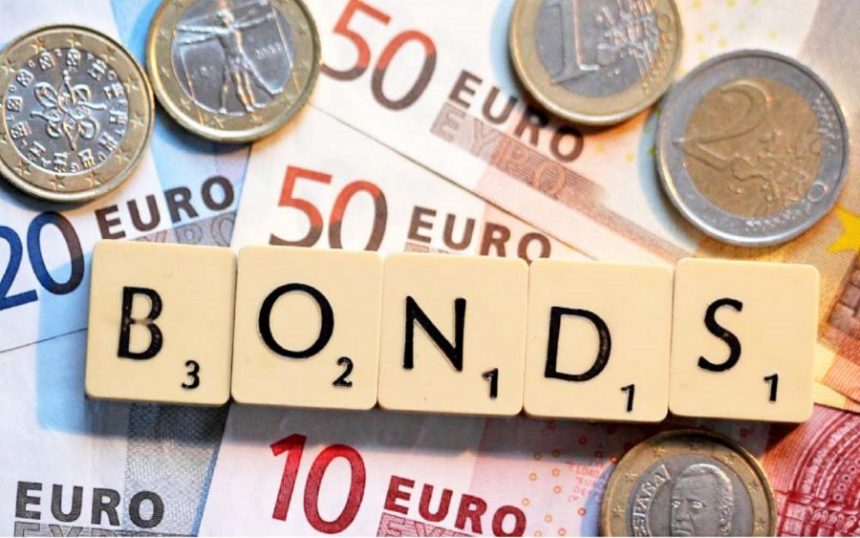
Nigeria’s Eurobond market is facing upward pressure on yields as investors retreat from emerging debt markets. This shift follows an escalation in Middle East conflict, specifically joint U.S.-Israeli operations against Iranian infrastructure triggering a global flight to safety.
Yields rose across most maturities during the week ending March 13. Benchmark yield increased to 7.2 percent from 7.1 percent, according to data from the Debt Management Office (DMO). Other bonds also recorded similar movements. The September 2028 Eurobond rose to 6.13 percent from 5.83 percent, while the March 2029 bond increased to 6.22 percent from 6.07 percent.
The February 2030 and January 2031 bonds also moved up to 6.61 percent and 6.96 percent, respectively.

At the longer end of the market, yields remained higher. The January 2046, January 2049, and September 2051 Eurobonds were all trading around 8.4 to 8.5 percent, showing investors appetite for higher returns on long-term bonds.
“The uptick in Eurobond yields over the last couple of days reflects a broad risk-off response to the tensions in the Middle East,” said Omobola Adu, a fixed income analyst at CSL Stockbrokers.
“We expect this sentiment to persist in the near term, but we see room for yield compression once tensions de-escalate,” he added.
In bond markets, an increase in yield usually means that prices have fallen slightly, as investors become more cautious. The broad increase across different maturities suggests that the movement affected the entire market, not just a specific bond.
The latest increase follows a period where Nigeria’s Eurobond yields had been declining.
According to Adu, yields had dropped by about 3 basis points across the curve before the recent tension, while risk levels had fallen to their lowest in five years. This showed that investor confidence had been improving.
Despite the recent spike, some instruments remain strong. The November 2027 bond is currently yielding 5.92 percent, still notably lower than its original 6.50 percent issue rate, suggesting resilient demand for Nigeria’s shorter-term debt.
The trajectory of these yields now depends on the Middle East. Continued conflict will likely keep yields elevated, while a de-escalation could allow Nigeria to resume the yield compression seen earlier this month.
Stay ahead with the latest updates!
Join The Podium Media on WhatsApp for real-time news alerts, breaking stories, and exclusive content delivered straight to your phone. Don’t miss a headline — subscribe now!
Chat with Us on WhatsApp