


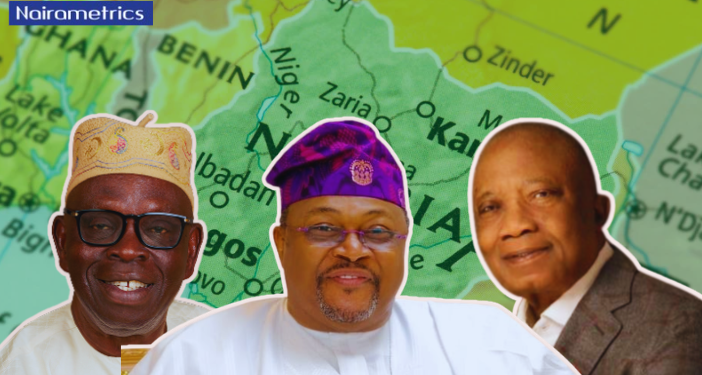
South West Nigeria remains the country’s most concentrated hub of private wealth creation, accounting for a significant share of Nigeria’s high-net-worth individuals, diversified conglomerates, and listed corporate leadership.
In 2026, the region continues to anchor key sectors of the economy, particularly energy, banking, manufacturing, logistics, and infrastructure, through a network of billionaire business leaders whose companies collectively generate tens of trillions of naira in annual economic activity.
According to aggregated industry estimates frequently cited by Nairametrics, Lagos alone contributes over 30% of Nigeria’s GDP, while the broader South West region accounts for more than 40% of formal corporate headquarters in the country.

This concentration of capital has helped produce some of Nigeria’s most influential privately held and publicly listed businesses, with combined valuations running into multiple trillions of naira across banking, power generation, and industrial services.
From legacy conglomerates that began in the 1970s and 1980s to newer wealth built through telecommunications, fintech, and infrastructure, South West–based billionaires have become central to Nigeria’s economic architecture.
In the power sector alone, privately controlled generation assets linked to South West business leaders contribute several gigawatts of installed capacity, supporting Nigeria’s fragmented national grid.
Meanwhile, banking and financial services groups headquartered in Lagos continue to dominate tier-1 capitalisation on the Nigerian Exchange, often accounting for a large share of total market turnover.
This article spotlights the most influential business owners from Southwest Nigeria, adjudged by their dominance in their respective sectors of the economy where they operate.
15. Wale Tinubu
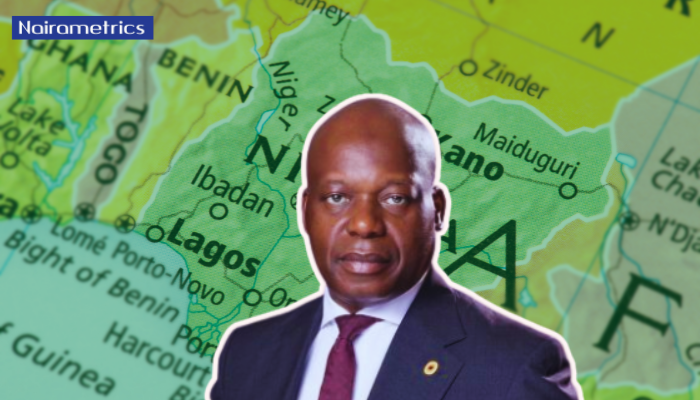
- Group CEO Oando plc
Jubril Adewale Tinubu has played a defining role in transforming Oando PLC into one of sub-Saharan Africa’s leading integrated energy companies, reshaping it from a modest oil trading outfit into a vertically integrated player across the energy value chain.
In 1993, Tinubu co-founded Ocean & Oil Group, laying the foundation for what would become Oando.
Through key acquisitions, including Unipetrol Plc and Agip Nig Plc, he expanded the company’s reach in petroleum marketing and gas distribution, positioning it as a dominant force in Nigeria’s downstream sector.
That growth later extended upstream, marked by the acquisition of Nigerian assets from ConocoPhillips in 2014 and Eni’s Nigerian Agip Oil Company in 2024.
Tinubu has also sought to align the company with global energy trends, launching Oando Clean Energy Limited in 2021 to explore renewable solutions. Beyond business, he supports education initiatives through the Oando Foundation.
An alumnus of the University of Liverpool and the London School of Economics, he trained as a lawyer before entering business. His contributions have earned him national honors, including Commander of the Order of the Niger.
14. Taiwo Afolabi
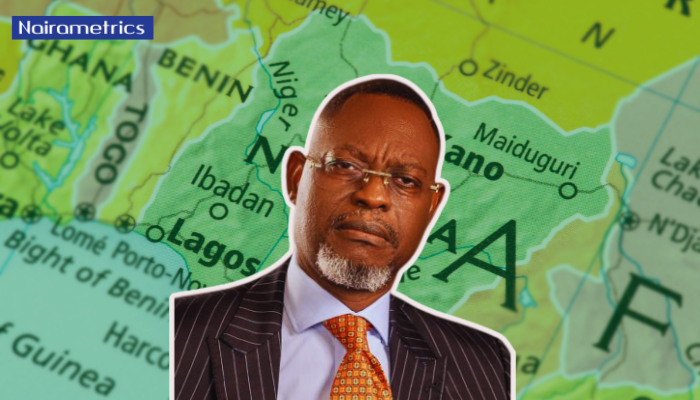
- Founder SIFAX Group
Taiwo Afolabi, founder and chief executive of SIFAX Group, has built a diversified business empire spanning maritime, aviation, logistics and oil and gas, positioning himself among Nigeria’s most prominent industrialists.
A trained lawyer and alumnus of the University of Lagos, Afolabi began his career in 1981 at Nigerian Express Agencies before establishing SIFAX in the late 1980s as a freight forwarding firm.
Over the decades, he expanded the company into a conglomerate with interests in port operations, aviation handling, haulage and financial services, reflecting a strategy anchored on Nigeria’s growing trade and logistics demands.
Through subsidiaries such as Port & Cargo Handling Services and Skyway Aviation Handling Company, SIFAX has developed a significant presence in the country’s transport and infrastructure ecosystem. Supporters credit Afolabi’s long-term approach to scaling indigenous capacity in sectors historically dominated by foreign operators.
Beyond business, Afolabi has supported education and healthcare initiatives, including infrastructure donations to universities and medical outreach programs. His contributions have earned him national recognition, including the honor of Member of the Order of the Niger.
13. Wole Oshin
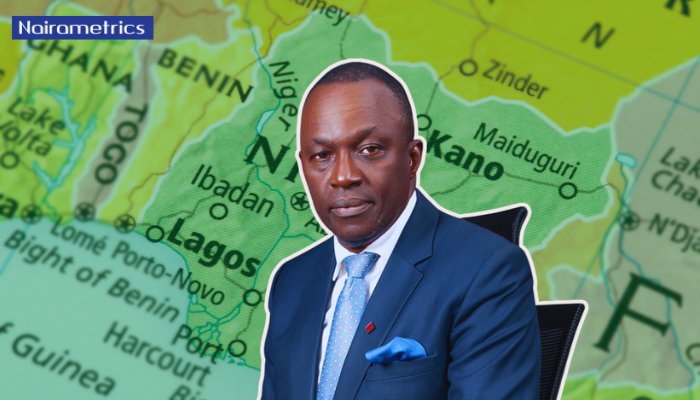
- Founder Custodian Investment Plc
Wole Oshin, founder and group managing director of Custodian Investment Plc, has spent more than three decades shaping Nigeria’s insurance and risk management landscape, building a company that spans life insurance, general insurance, pensions and trusteeship.

Trained in actuarial science at the University of Lagos and later educated at Harvard Business School, Oshin began his career at a time when Nigeria’s insurance sector faced low penetration and limited public trust.
Over the years, he positioned Custodian as a leading player in the industry, while advocating for stronger institutional frameworks and wider adoption of insurance as a tool for economic stability.
His influence extends beyond corporate leadership. Oshin has served on the Presidential Committee on Pension Reforms and held key industry roles, including chairman of the Nigerian Insurers Association and council member of regional and global bodies such as the International Insurance Society in New York. Supporters credit his role in shaping policy conversations and professional standards within West Africa’s insurance market.
12. Mike Adenuga
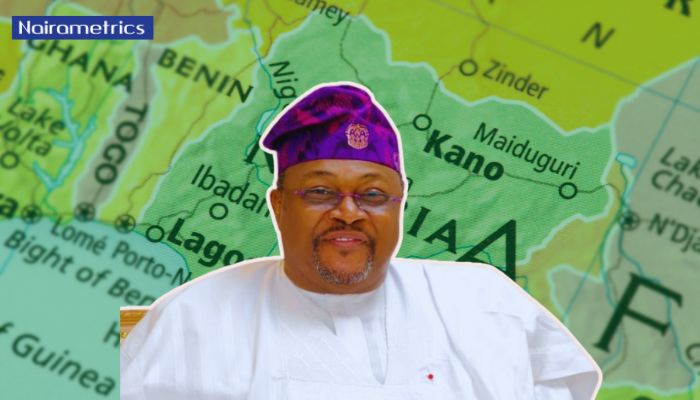
- Founder Globacom/Conoil
Mike Adenuga built a multibillion-dollar fortune spanning telecommunications and oil, emerging as one of Africa’s most influential industrialists. Born April 29, 1953, in Ibadan, he studied business administration at Northwestern Oklahoma State University and Pace University, financing part of his education through casual work, including taxi driving.
Adenuga’s early ventures in commodities trading yielded his first million by age 26. He later pivoted into energy, where his company Conoil Producing became the first indigenous firm to discover oil in commercial quantities in 1991.
He expanded into telecoms with Globacom, now one of Nigeria’s largest mobile networks with operations in West Africa. The company also developed Glo-1, a transatlantic submarine cable linking Africa to Europe.

Adenuga retains significant stakes in Conoil Plc and financial services, including a minority holding in Sterling Financial Holdings Company. As of 2026, Forbes estimates his net worth at $6.6 billion, ranking him among Africa’s richest.
11. Femi Otedola
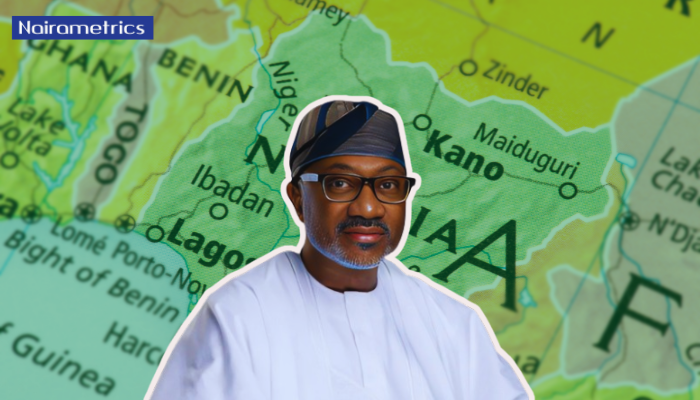
- Chairman FBNH
Femi Otedola has spent decades moving fluidly across commodities, oil marketing and power generation, building a reputation as one of Nigeria’s most strategic dealmakers. He is the son of former Lagos State governor Michael Otedola. He made his first fortune in commodities trading before scaling up in downstream petroleum.
His breakout came with Zenon Petroleum and Gas, which grew into a dominant diesel supplier for industrial giants. He later took control of African Petroleum, rebranding it as Forte Oil and overhauled its operations before exiting the business in 2019.
In recent years, Otedola has shifted focus to electricity generation through Geregu Power, where he once held a near-total stake. After bringing in institutional investors, he sold a majority interest in 2025 in a deal estimated at $750 million, retaining a smaller position.
Beyond energy, Otedola holds stakes in Zenith Bank and FBN Holdings, and maintains a global real estate footprint spanning Lagos, Dubai, London and Monaco.
Forbes pegs his net worth at $1.4 billion as of May 2026.
10. Folorunsho Alakija
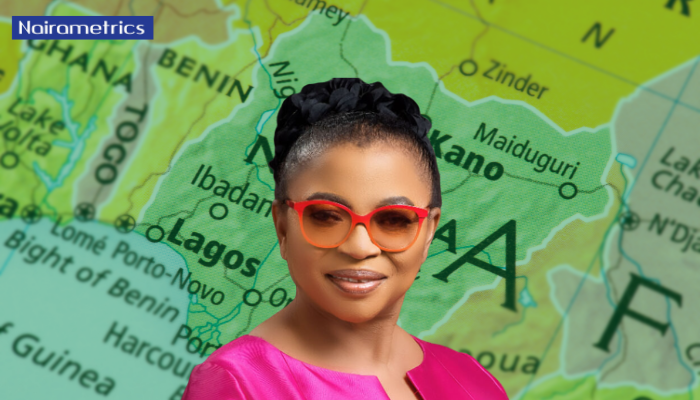
- CEO Famfa Oil
Folorunsho Alakija built her fortune across fashion and oil, emerging as one of Africa’s most prominent female entrepreneurs. Born July 15, 1951, she began her career in banking before pivoting to fashion, founding a label that catered to Nigeria’s elite, including clients connected to the administration of former president Ibrahim Babangida.
Her trajectory shifted in 1993 when her company secured an oil prospecting license for a block offshore Nigeria. That asset, which developed into the Agbami field, became the cornerstone of Famfa Oil, where she serves as vice chair. The field, operated in partnership with majors including Chevron and Petrobras, ranks among Nigeria’s most prolific deepwater projects.
Alakija successfully defended her stake in a protracted legal battle with the federal government, culminating in a 2012 Supreme Court ruling that affirmed her ownership rights. Alongside oil, she oversees the Rose of Sharon Group, with interests spanning fashion and philanthropy.
9. Oba Otudeko
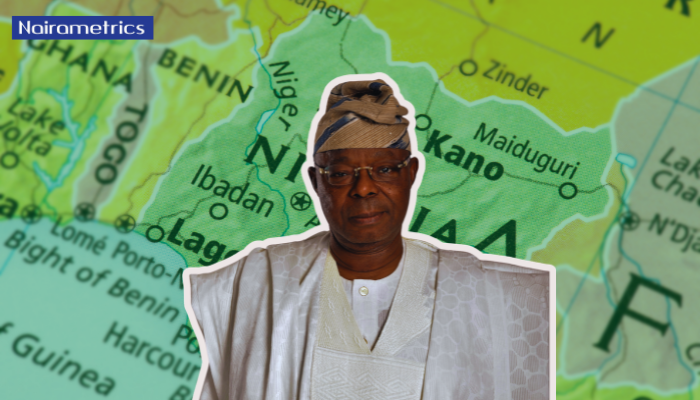
- Chairman Honeywell Group
Oba Otudeko is the founder and chairman of Honeywell Group, a diversified investment company with interests spanning food manufacturing, energy, hospitality, financial services and real estate.
He began his professional career in banking at age 17, rising through the ranks before later serving on the board of the Central Bank of Nigeria from 1990 to 1997.
Otudeko founded Honeywell as a commodities trading business in the 1970s, importing essential goods before expanding into large-scale industrial and consumer operations. Over time, the group evolved into one of Nigeria’s best-known conglomerates, with exposure to flour milling, oil and gas, marine transportation and infrastructure.
A notable contributor to his fortune is his hospitality portfolio, including stakes in premium real estate such as the oceanfront Radisson Blu Anchorage Hotel in Lagos. Honeywell also played an early role in Nigeria’s telecom liberalization, participating in the consortium behind Econet, now part of Airtel Nigeria.
Otudeko previously chaired FBN Holdings and remains active in philanthropy through the Oba Otudeko Foundation.
8. Razak Okoya
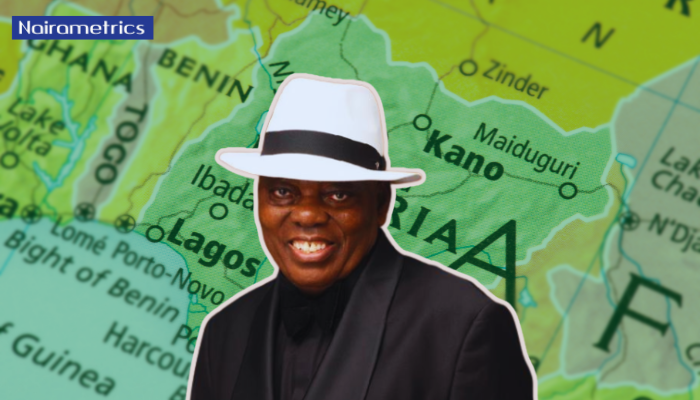
- Founder, Eleganza Group
Razaq Okoya rose from a teenage tailor’s apprentice to one of Nigeria’s most enduring manufacturing magnates, building a consumer goods empire rooted in trade, import substitution and local production. Founder of Eleganza Group, Okoya transformed modest beginnings in Lagos into a business spanning plastics, household goods and lifestyle products.
He began working in his father’s tailoring shop, saving earnings from mending clothes before pivoting into trading. As a teenager, he bypassed middlemen by ordering tailoring accessories directly from Japan, an early move that delivered strong margins and rapid turnover.
The profits funded his first real estate investments in Surulere before age 20, setting the tone for a career defined by reinvestment and scale.
Okoya later expanded into manufacturing, initially launching a jewellery business inspired by strong domestic demand, then moving into footwear and plastics after setbacks with overseas suppliers pushed him to localize production. Over time, Eleganza grew into a mass-market brand with factories employing thousands across Nigeria.
Beyond manufacturing, he built a property portfolio through RAO Investment Company, including developments along Lagos’ Lekki corridor. Decorated with the national honor of Commander of the Order of the Niger, Okoya remains a prominent figure in Nigeria’s industrial landscape.
7. Kesington Adebutu
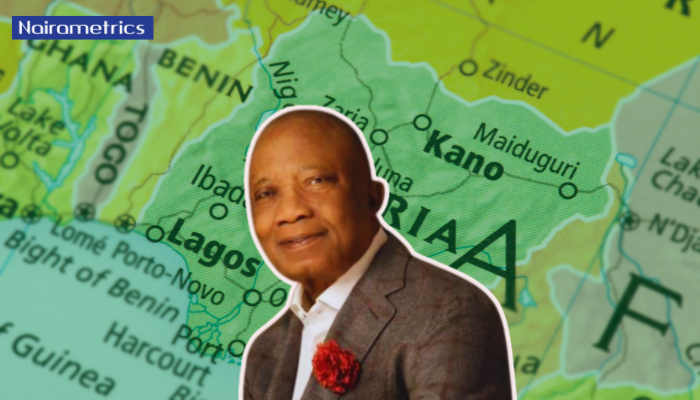
- Founder, Premiere Lotto Limited
Kesington Adebutu pioneered Nigeria’s modern lottery and pools betting industry, turning a niche gaming concept into a nationwide enterprise. Widely known as “Baba Ijebu,” he is the founder of Premier Lotto Limited, one of the country’s most recognizable betting brands.
Adebutu’s early career spanned telecommunications and pharmaceuticals, including roles at Cable and Wireless Limited and Classic Chemical Limited, where he rose to sales manager. He leveraged that commercial experience to launch his own venture in the 1960s, culminating in the formal establishment of Premier Lotto in 1971 alongside business partner Adebayo Ayoku.
Operating under the “Baba Ijebu” brand, the company built a mass-market following through its face-to-face pools betting model, embedding itself deeply in Nigeria’s informal and formal gaming economy. Over time, the brand became synonymous with lottery betting across the country.
Beyond business, Adebutu is a noted philanthropist through the Kessington Adebutu Foundation and holds traditional titles including Odole-Oodua of Ife and Balogun of Remo land, reflecting his standing in Yoruba society.
6. Sulaiman Adebola Adegunwa
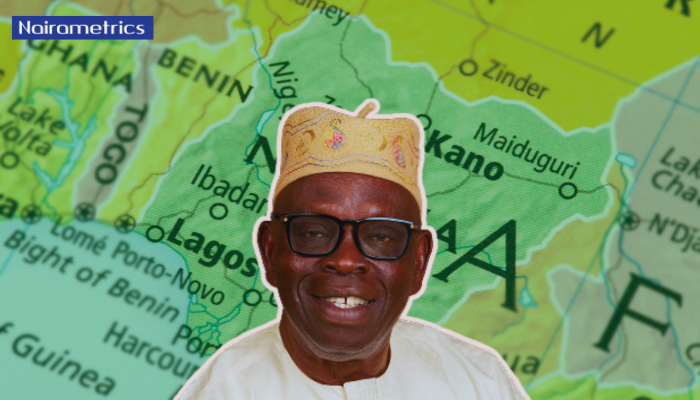
- Founder/ Chairman Essay Holdings Limited
Sulaiman Adebola Adegunwa is a veteran Nigerian industrialist and investor whose business and philanthropic footprint spans more than six decades, with influence across manufacturing, finance and education. He is the founder and chief executive officer of Essay Holdings Limited; Parent Company of Rite Foods Limited.
He serves as chairman of Rite Foods Limited, where he provides strategic oversight for one of the country’s fast-growing consumer goods producers.
Adegunwa also leads Ess-ay Holdings Limited and Ess-ay Investment Limited, vehicles through which he maintains diversified interests across multiple sectors of the Nigerian economy. His corporate career includes more than a decade on bank boards, culminating in his tenure as chairman of Sterling Bank from 2007 to 2014.
Beyond business, Adegunwa has been recognized for his contributions to national development and education. He was awarded the national honor of Officer of the Order of the Federal Republic by former president Olusegun Obasanjo. He has also received multiple honorary doctorates from Nigerian universities and serves as chancellor of Summit University Offa, reflecting his long-standing support for academic advancement and philanthropy.
5. Deji Adeleke

- Founder/Chairman Pacific Holdings
Adedeji Adeleke is a Nigerian businessman, industrialist, and chairman of Pacific Holdings Limited, a diversified conglomerate with interests across energy, logistics, banking, education, engineering, agriculture, manufacturing, gas, and real estate. Known for maintaining a low public profile, Adeleke has built one of Nigeria’s quietly influential private-sector empires over four decades.
He began his entrepreneurial journey in 1983 with Pacific Drilling Company, a borehole drilling and geophysical surveying business focused on water solutions. As operations expanded, he incorporated Pacific Holdings Limited in 1990 to consolidate his growing portfolio and support long-term diversification.
Under his leadership, the group has evolved into a multi-sector enterprise with strategic emphasis on infrastructure-heavy industries. One of its most significant arms is Pacific Energy Company Limited, the group’s power generation subsidiary. The company operates gas-fired plants in Ondo and Ogun States.
Beyond energy, Adeleke’s logistics subsidiary, Pacific Freightliners Limited, plays a key role in freight and supply chain services.
4. Adebayo Ogunlesi
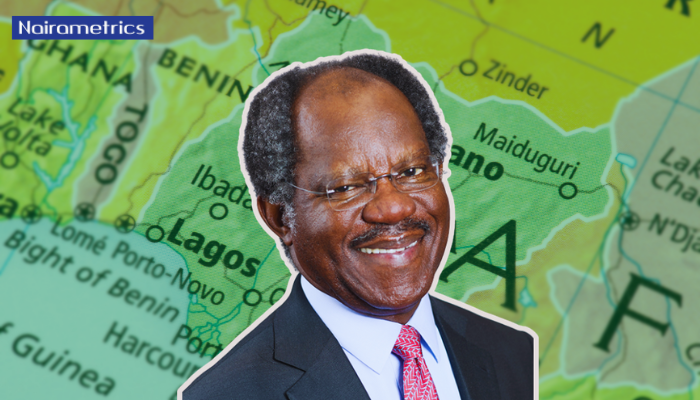
- Co-founder Global Infrastructure Partners
Adebayo Ogunlesi is a Nigerian lawyer, investment banker, and global infrastructure investor with an estimated net worth of $2.5 billion as of May 2026, ranking among the world’s wealthiest individuals. He is best known as the cofounder and chairman of Global Infrastructure Partners (GIP), a New York–based private equity firm acquired by BlackRock in a landmark $12.5 billion deal in 2024.
Ogunlesi is the son of Professor Theophilus Oladipo Ogunlesi, Nigeria’s first professor of medicine. He attended King’s College, Lagos before earning degrees from Oxford University (PPE) and completing a joint JD–MBA at Harvard Law School and Harvard Business School. He also clerked for U.S. Supreme Court Justice Thurgood Marshall and later worked at the prestigious law firm Cravath, Swaine & Moore.
Ogunlesi spent over two decades in investment banking at Credit Suisse First Boston, rising to head its global investment banking division. In 2006, he founded GIP, which rapidly became a dominant force in infrastructure investing, managing over $100 billion in assets across airports, energy, transport, and utilities. Major investments include London Gatwick Airport and London City Airport.
Following BlackRock’s acquisition of GIP, Ogunlesi became a senior managing director at BlackRock while continuing to serve as chairman and CEO of GIP. He also sits on major corporate boards and joined OpenAI’s board in 2025.
3. Chief Michael Ade-Ojo
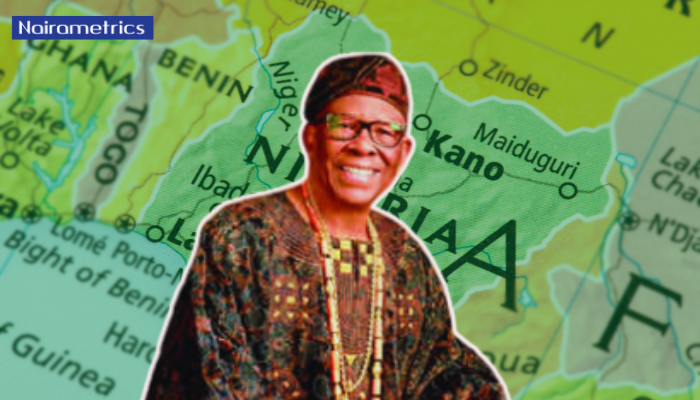
- Founder Elizade Motors
Chief Michael Ade-Ojo, OON, is one of Nigeria’s most influential but least ostentatious industrialists, a businessman whose career has tracked the evolution of the country’s private sector from post-colonial trading economy to modern industrial ambition.
Ade-Ojo’s early life was defined by modest means. He supported himself as a street hawker before his mother’s trading income helped fund his education. He later studied Business Administration at the University of Nigeria, Nsukka, graduating in 1965, before working in roles at CFAO, the Federal Inland Revenue Service, and British Petroleum Nigeria, where he built a reputation as a high-performing sales executive.
In 1971, he left secure employment to found Elizade Independent Agencies, later incorporated as Elizade Nigeria Limited. The firm began as a Toyota dealership at a time when Japan’s automakers were only beginning to gain traction in West Africa. Over the decades, Elizade became one of Nigeria’s dominant automotive distribution groups, effectively cementing Toyota’s market position in the country.
The company has since evolved into a diversified conglomerate with interests spanning automotive distribution, logistics, property, travel services, manufacturing, and cultural enterprises. Its flagship automotive arm, Toyota Nigeria Limited, remains central to its operations.
Ade-Ojo also expanded into industrial policy territory with the establishment of a vehicle assembly plant in 2015, aimed at localising production of Toyota and JAC vehicles.
In parallel, his group has expanded into ancillary sectors including real estate, education, and manufacturing. Among its subsidiaries are Mikeade Investments, Elizade Autoland, Okin Travels, and Oodua Creations, the latter focused on promoting Yoruba textile and fashion heritage.
2. Tope Awotona
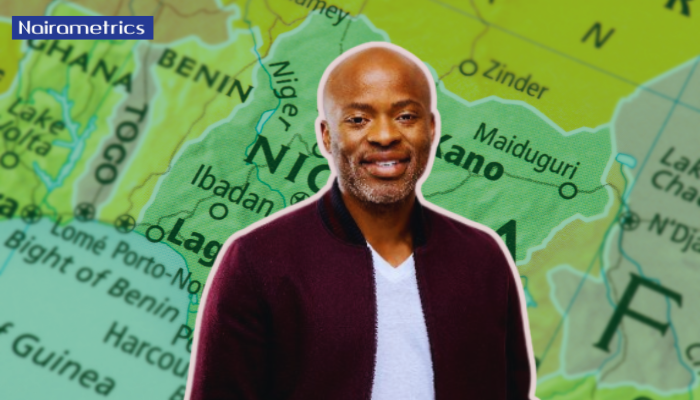
- Founder Calendly
Tope Awotona is a Nigerian-American entrepreneur and founder of Calendly, the widely used scheduling software company valued in the billions, which has made him one of the world’s richest Black tech founders with a net worth estimated at $1.4 billion as of 2025.
Awotona attended the University of Georgia, graduating in 2002 with a degree in Management Information Systems from the Terry College of Business.
Before founding his company, Awotona worked in sales roles at IBM and other software firms, including Perceptive Software, where he became familiar with enterprise software systems. The idea for Calendly emerged from personal frustration with the inefficiency of scheduling meetings via email.
In 2013, he launched Calendly from Atlanta Tech Village, initially self-funding the venture and taking on personal financial risk. The platform quickly gained traction for simplifying meeting coordination and has since grown to serve millions of users globally, becoming a staple tool in corporate and startup workflows.
Unlike many Silicon Valley startups, Calendly was bootstrapped for years before raising major external funding in 2021, when it secured a $350 million investment valuing the company at approximately $3 billion.
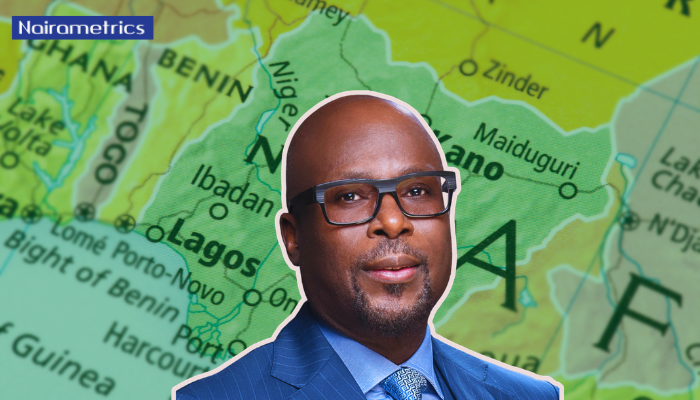
1. Tunde Folawiyo
- Chairman, Folawiyo Group
Tijani Babatunde Folawiyo is part of a small circle of Nigerian industrialists who straddle old family capital and the country’s modern energy economy, moving between boardrooms, banks, and the politically sensitive world of oil and gas with a quiet, institutional presence.
Known more commonly as Tunde Folawiyo, he is the chairman of the Folawiyo Group, a diversified family conglomerate with interests in energy, agriculture, shipping, real estate, and petroleum services. He also chairs Coronation Merchant Bank and has held board positions in major financial and telecommunications companies, reflecting a career that has extended well beyond the family enterprise he inherited.
Born in 1960, Mr. Folawiyo was educated in Britain, earning degrees in economics and law from the London School of Economics and University College London. He was called to the Bar of England and Wales in 1985 and briefly practiced law in Nigeria before joining the family business in the late 1980s, a transition that would prove pivotal in the evolution of the group.
He assumed leadership of the Folawiyo Group in 2008 after the death of his father, Wahab Folawiyo, who founded the conglomerate and built its early presence in trading and oil-linked businesses. Under his stewardship, the group has maintained a strong foothold in Nigeria’s energy sector, including upstream petroleum exploration and downstream retail operations.
Mr. Folawiyo has also been active in industry bodies such as the Nigeria Association of Indigenous Petroleum Explorers and Producers, reflecting his influence within Nigeria’s domestic oil sector. He previously served on the board of Access Bank and has held roles linked to MTN Nigeria and other corporate institutions.
Beyond corporate Nigeria, he sits on advisory boards focused on leadership development and education, including the African Leadership Academy. His governance roles span universities and civic institutions, reinforcing a profile that blends business leadership with institutional engagement.
In 2014, Forbes estimated his wealth at around $650 million, placing him among Nigeria’s established business elite, though he has generally maintained a low public profile compared with more visible figures in the country’s private sector.
Stay ahead with the latest updates!
Join The Podium Media on WhatsApp for real-time news alerts, breaking stories, and exclusive content delivered straight to your phone. Don’t miss a headline — subscribe now!
Chat with Us on WhatsApp