




…Says Senate passage is ill-timed, anti-growth, and inconsistent with FG’s commitment to reduce tax burden on businesses
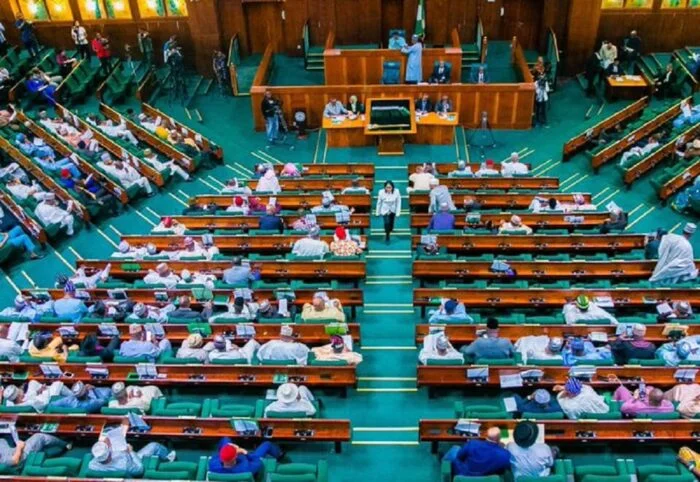
The Centre for the Promotion of Private Enterprise Centre for the Promotion of Private Enterprise has called on the House of Representatives to reject the Sugar-Sweetened Beverage Tax Bill recently passed by the Senate, warning that the proposal could worsen Nigeria’s business environment.
The organisation made its position known in an emailed statement issued on Sunday, June 7, 2026, by its Chief Executive Officer, Dr. Muda Yusuf, amid ongoing debates over fiscal reforms and industry taxation.
CPPE argued that the bill is poorly timed given prevailing macroeconomic pressures on manufacturers and could undermine efforts to reduce the cost of doing business in Nigeria.

The group further warned that the proposed tax would add to existing levies already affecting the non-alcoholic beverage industry, intensifying cost pressures across the value chain.
What they are saying
CPPE said the Senate’s decision to advance the bill runs counter to government efforts to stimulate production, attract investment, and ease operational burdens on businesses.
It stressed that manufacturers are already grappling with high production costs, weak demand, and multiple layers of taxation across the economy.
- “At a time when government policy is focused on easing the cost of doing business and revitalising manufacturing, the bill seeks to impose an additional layer of taxation on non-alcoholic beverage manufacturers,” the CPPE stated.
- “Investors thrive on predictability. Frequent additions to the tax burden send the wrong signal to both existing and prospective investors,” the organisation said.
- “Any additional tax burden on the industry would inevitably increase production costs, raise consumer prices, weaken demand, reduce capacity utilisation and threaten jobs across the value chain,” CPPE added.
The organisation maintained that the food and beverage sector remains a key driver of industrial output and employment in Nigeria, warning that further taxation could destabilise the ecosystem.
More insights:
CPPE acknowledged concerns around rising cases of diabetes and other non-communicable diseases but questioned the effectiveness of sugar taxation as a public health intervention.
- The organisation argued that lifestyle-related illnesses are driven more by dietary habits, sedentary lifestyles, and limited health awareness than by the pricing of sugar-sweetened beverages alone.
- It said taxation alone does not address the root causes of non-communicable diseases in the country.
- It recommended alternative interventions such as nutrition education and public health awareness campaigns.
- It also advocated improved preventive healthcare systems and policies that encourage physical activity.
- The group warned that additional taxes could spill over into higher prices for consumers and reduced competitiveness for manufacturers.
CPPE also highlighted the sector’s extensive linkages with agriculture, packaging, logistics, retail, and distribution, noting that any cost increases would ripple across multiple industries.
What you should know
The Sugar-Sweetened Beverage Tax has remained a contentious fiscal policy issue in Nigeria, with earlier proposals facing resistance from industry stakeholders before being delayed or revised.
- The Senate’s passage of the current bill marks a significant step in the legislative process, as it now awaits concurrence from the House of Representatives before being transmitted for presidential assent.
- CPPE’s intervention comes at a critical stage, as stakeholders intensify lobbying efforts ahead of House deliberations on the proposed legislation.
- Earlier in January this year, CPPE had warned against the passage of Sugar Bill pointing out similar reasons why such law could be counter-productive.
The debate reflects broader tensions between public health objectives and economic growth priorities, particularly at a time when manufacturers continue to face elevated borrowing costs, energy challenges, and subdued consumer demand in Nigeria.
Stay ahead with the latest updates!
Join The Podium Media on WhatsApp for real-time news alerts, breaking stories, and exclusive content delivered straight to your phone. Don’t miss a headline — subscribe now!
Chat with Us on WhatsApp