




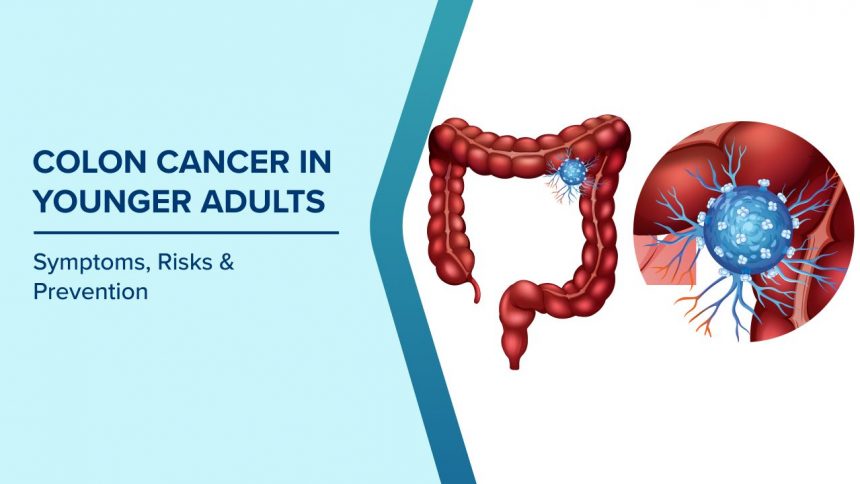
Colon cancer, once considered a disease that mainly affects older adults, is now increasingly being diagnosed in younger people under the age of 50. This rising trend is being observed globally and has raised concern among healthcare professionals as well as public health experts.
While the overall risk for younger adults is still relatively low, the steady increase in cases highlights the importance of awareness, early detection, and lifestyle prevention.
Why Is Colon Cancer Increasing In Younger Adults?
There is no single factor responsible for this increase. Instead, it is likely influenced by a combination of lifestyle and environmental factors, which may include:

- Sedentary lifestyle with long sitting hours
- Diet low in fibre and high in processed or red meat
- Obesity and metabolic health issues
- Smoking and alcohol consumption
- Changes in gut microbiome due to modern dietary habits
- Family history or genetic conditions such as Lynch syndrome
Symptoms Young Adults Should Not Ignore
One of the most significant challenges in younger patients is delayed diagnosis because symptoms are often ignored or mistaken for common digestive issues.
Be alert to:
- Blood in stool or rectal bleeding
- Persistent abdominal pain or cramps
- Unexplained weight loss
- Ongoing constipation or diarrhea
- Feeling of incomplete bowel evacuation
- Fatigue or weakness due to anaemia
If these symptoms persist for more than a few weeks, medical evaluation is strongly advised.
Why Early Detection Is Critical
Colorectal cancer is highly treatable when detected early. Screening helps identify polyps (pre-cancerous growths) before they develop into cancer.
Doctors now recommend that average-risk individuals begin screening at age 45, and earlier if there is a family history or other risk factors. Early detection significantly improves survival outcomes and reduces the need for aggressive treatment.
Who Is At Higher Risk?
You may be at increased risk if you have:
- A close relative with colon cancer or polyps
- Inflammatory bowel disease (Crohn’s disease or ulcerative colitis)
- A genetic syndrome such as Lynch syndrome or FAP
- Long-term unhealthy lifestyle habits
Prevention: What You Can Do Today
While not all cases are preventable, certain healthy habits can reduce risk:
- Eat a high-fibre diet (fruits, vegetables, whole grains)
- Reduce intake of processed and red meat
- Exercise regularly
- Maintain a healthy body weight
- Avoid smoking and limit alcohol consumption
- Stay attentive to bowel health changes
When to Consult a Doctor
Do not ignore persistent digestive symptoms, even if you are young. Early consultation with a gastroenterologist can make a significant difference in outcomes.
At Max Hospital, Gurugram, our gastroenterology and oncology teams provide advanced screening, diagnostic colonoscopy, and comprehensive cancer care using evidence-based protocols and modern technology.
Conclusion
The rising incidence of colon cancer in younger adults is a concerning trend, but awareness and timely action can save lives. Paying attention to symptoms, adopting preventive lifestyle habits, and undergoing recommended screenings are key steps in reducing risk.
Early diagnosis is the strongest tool against colon cancer, and it starts with awareness.
Source: www.maxhealthcare.in
Stay ahead with the latest updates!
Join The Podium Media on WhatsApp for real-time news alerts, breaking stories, and exclusive content delivered straight to your phone. Don’t miss a headline — subscribe now!
Chat with Us on WhatsApp