
Nearly nine out of every 10 Nigerian adults support action to reduce methane emissions, with public backing rising by 17 percentage points in two years, amid growing concerns over flooding, poor water quality and other environmental threats.
A new international survey found that 89 per cent of Nigerian adults supported measures to reduce methane emissions, compared with 72 per cent in 2024, indicating increasing public demand for stronger environmental protection and accountability from major polluters.
A statement by the Global Methane Hub and Natural Resource Governance Institute on Tuesday said the survey also revealed that more than half of Nigerian adults, representing 53 per cent, were very concerned about climate change, while concerns over its immediate effects were considerably greater.

Poor water quality topped the list of environmental concerns, with 67 per cent of respondents saying they were very concerned. Flooding and access to drinking water followed at 60 per cent each, while 55 per cent expressed serious concern about poor air quality.
The findings come as several parts of Nigeria continue to grapple with flooding, environmental degradation and pressure on water resources, raising questions about the country’s preparedness to address the effects of climate change and control emissions from major industrial activities.
The poll was commissioned by the Global Methane Hub in collaboration with the Yale Program on Climate Change Communication to assess public awareness of climate change and methane emissions, as well as attitudes towards measures to reduce pollution.
It covered Nigeria and 17 other countries across Africa, Asia, Europe and South America. The findings also showed that Nigerians increasingly expect major industries, particularly oil and gas companies, to take responsibility for reducing emissions, with 57 per cent identifying the companies among the three leading contributors to climate change.
However, 78 per cent of respondents also considered oil and gas companies very capable of making meaningful changes to address the problem, suggesting that the industry is seen not only as a major contributor to pollution but also as an important part of the solution.
The statement read, “According to a new poll, 89 per cent of Nigerian adults support action to reduce methane emissions– up 17 percentage points from 72 per cent in 2024, while over half (53 per cent) are very concerned about climate change. Concern is even higher around immediate environmental threats, including poor water quality, with 67 per cent very concerned; flooding and access to drinking water, with 60 per cent each; and poor air quality, with 55 per cent.
“The Global Methane Hub, in collaboration with the Yale Program on Climate Change Communication, commissioned the international survey in Nigeria and 17 other countries to measure and track public awareness of climate change and methane and examine attitudes toward methane reduction solutions around the world.”
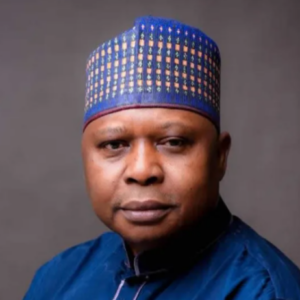
Commenting, the Chief Executive Officer of the Global Methane Hub, Marcelo Mena, said the growing public support for methane reduction reflected the increasing pressure environmental challenges were placing on Nigerian communities.
“As flooding and water challenges put greater pressure on communities across Nigeria, the case for tackling methane is becoming increasingly clear,” Mena said.
“This survey shows strong and growing support for methane action, with nearly nine in ten Nigerians now supporting efforts to reduce emissions. In the oil and gas sector, for example, cutting methane leaks, venting and flaring reduces pollution and safety risks for nearby communities while helping slow warming.
“It also makes Nigerian oil and gas more competitive, as buyers in markets like Europe increasingly demand lower-methane supply,” he added.
Methane is a potent greenhouse gas released from activities including oil and gas production, agriculture and waste disposal. Although it remains in the atmosphere for a shorter period than carbon dioxide, it traps significantly more heat over 20 years.
The Global Methane Hub said methane was responsible for approximately 30 per cent of the warming experienced since pre-industrial times and was more than 80 times as potent as carbon dioxide over 20 years.

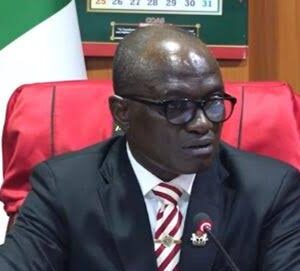
Similarly, the Nigeria Country Manager of the Natural Resource Governance Institute, Tengi George-Ikoli, said the concerns expressed by respondents were justified, particularly in communities affected by oil and gas operations in the Niger Delta.
“Nigerians are right to be concerned about methane emissions and the harm they cause to health, environments and livelihoods,” George-Ikoli said.
Stay ahead with the latest updates!
Join The Podium Media on WhatsApp for real-time news alerts, breaking stories, and exclusive content delivered straight to your phone. Don’t miss a headline — subscribe now!
Chat with Us on WhatsApp