




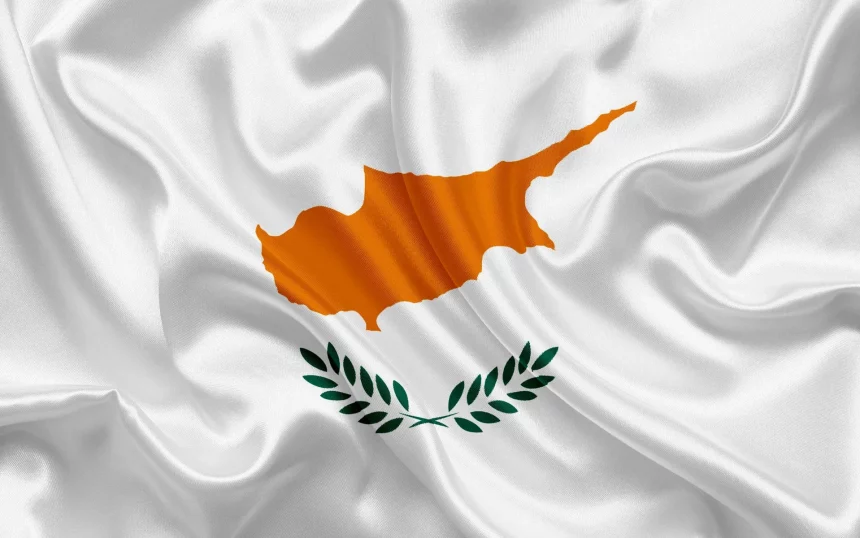
At least 6,704 Nigerians applied for international protection in Cyprus between 2021 and 2025.
This is according to the latest country report by the Asylum Information Database, a project of the European Council on Refugees and Exiles, and compiled using data from Cyprus’s Asylum Service and the European Union Agency for Asylum.
The figure, an aggregate of yearly Nigerian applications recorded in AIDA’s Cyprus Country Reports for 2021, 2022, 2023, 2024 and 2025, ranked Nigeria among the most consistent sources of asylum seekers into the Mediterranean island nation over the period, Sunday PUNCH observes.

This is as the number of asylum claims from Nigerians dropped by 70 per cent between 2022 and 2025.
A year-by-year breakdown shows that Cyprus recorded 1,555 Nigerian applicants in 2021, 3,148 in 2022, 1,019 in 2023, 554 in 2024, and 428 in 2025, the lowest figure recorded in the most recent data available.
According to the 2025 figures, out of 565 people affected by decisions concerning Nigerians that year, only 270 were processed as in-merit decisions, while 546 decisions were classified as overall rejections, a category that the report says “includes all rejection decisions, including inadmissibility, withdrawals and closed files.”
Only 254 of the 546 decisions were strict in-merit rejections.
The report showed that 11 Nigerians were granted refugee status, and five received subsidiary protection, translating to an overall protection rate of 0.16 per cent and an in-merit protection rate of 0.36 per cent, among the lowest of the major nationalities in the 2025 dataset.
In 2021, Nigeria recorded 1,555 applicants, nine refugee status grants, zero subsidiary protection grants and 498 rejections, which translates to a 98.2 per cent rejection rate.
Out of 3,148 applications Nigerians filed in 2022, only 11 Nigerians secured refugee status, and none got subsidiary protection, while 670 were rejected, a 98.4 per cent rate.
In 2023, the rejection rate remained at 98.4 per cent, with only 43 refugee status grants and two subsidiary protection grants among 1,019 applicants, while a backlog of 2,816 pending decisions piled up that year alone.
By 2024, 554 new applicants joined the 288 already pending, for a total of 995 decisions, only 77 of which granted refugee status.
Over the period reviewed, the data showed that Nigeria consistently ranked among Cyprus’s top four countries of origin every year since 2021, alongside Syria, the Democratic Republic of Congo, Cameroon, Pakistan and Bangladesh.
Syria topped the list of applications every year except 2025, when many Syrians chose to remain in their country after the fall of the Assad regime.
The DRC and Cameroon have alternated between the top five over the years, while many applicants from Pakistan, Bangladesh and India accounted for the most appeals after rejections.
“The top five nationalities registering an appeal were Nigeria, Bangladesh, Pakistan, Democratic Republic of Congo and Nepal,” the 2023 report said about the regular procedure at Cyprus’s International Protection Administrative Court.

In 2024, Nigerians registered 1,241 appeals, more than any other nationality that year, with a 7.63 per cent appeal-stage rejection rate and zero per cent refugee recognition.
In 2025, Nigerians filed 411 appeals, second only to the 1,394 appeals from the DRC.
In 2021, the Cypriot government designated Nigeria a “safe country of origin”, alongside Bangladesh, Pakistan, India, Ghana and Senegal.
Applicants from the listed safe countries face accelerated examination with shorter timeframes and a built-in presumption against their claims, a key driver of the sustained high rejection rates.

Cyprus is home to a substantial and growing Nigerian population, the majority of whom are international students enrolled in the country’s private universities, alongside workers, dependents, and a smaller group who file for asylum, often after student or work status has expired or via irregular routes from Turkish-administered Northern Cyprus.
Under EU and Cypriot asylum law, refugee status requires a demonstrable fear of persecution on grounds of race, religion, nationality, political opinion or social group.
Subsidiary protection applies to applicants who, though not qualifying as refugees, face a real risk of serious harm such as torture, the death penalty or indiscriminate violence from armed conflict if returned.
Stay ahead with the latest updates!
Join The Podium Media on WhatsApp for real-time news alerts, breaking stories, and exclusive content delivered straight to your phone. Don’t miss a headline — subscribe now!
Chat with Us on WhatsApp