



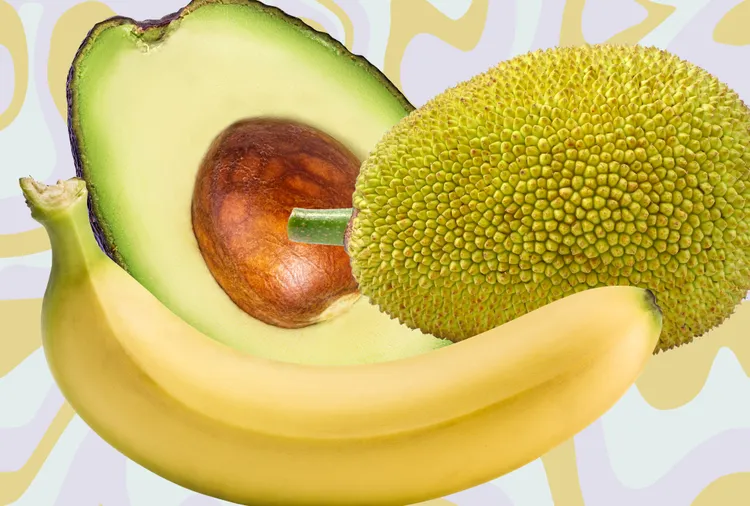
Trying to get more of this underconsumed mineral? These fruits can help!
- Magnesium helps keep your heart, muscles, bones and nervous system healthy.
- Yet many of us don’t get enough of it from the foods we eat. Some fruits can help.
- Dried figs, jackfruit, avocado, bananas and passion fruit are tasty ways to get more magnesium.
Magnesium is a mineral with a lot on its to-do list. This multitasking nutrient plays a supporting role in everything from bone health to blood pressure regulation, nerve function and even sleep.1 But here’s the thing: Even though magnesium does a lot for our bodies, more than half of U.S. adults don’t consume enough of it from the foods they eat. So, unless they take a supplement, they may fall short of the recommended 420 milligrams of magnesium they need each day.
While many foods contain magnesium, few provide it in large amounts. That means you need to eat a wide variety of healthy foods to get your fill. Nuts, seeds and beans are the best sources. But there are also some magnesium-rich fruits that can be a tasty way to get more of this mineral.

Whether your goal is to add more magnesium to your day or you just love fruit, here are some of the highest-magnesium fruits to help close the gap.
1. Passion Fruit
Passion fruit is one of the highest-magnesium fruits. One cup provides a whopping 68 mg of magnesium, 15% of the Daily Value.2 That’s not the only reason that passion fruit is so good for you. Passion fruit is also a good source of potassium, which teams up with magnesium to keep blood pressure in check. Snacking on this tropical fruit does more than support healthy blood pressure. It also keeps your immune system in tip-top shape thanks to vitamins A and C.
Never tried passion fruit before? Peel and dice it to add to your morning smoothie, yogurt or chia pudding for a magnesium boost.
2. Jackfruit
Jackfruit, native to India, is another tropical magnesium-rich fruit to add to your plate.3 One cup of jackfruit provides approximately 44 mg of magnesium, delivering slightly more than 10% of your daily needs.4 That’s not all. “Jackfruit is high in phytochemicals, such as carotenoids and flavonoids, which have antioxidant benefits,” says Hennis Tung, M.S., RD. Studies show that eating plenty of antioxidant-rich foods, like jackfruit, can help tame inflammation, which may reduce the risk of chronic illnesses, such as heart disease.
If this delicious tropical fruit hasn’t made it into your shopping cart yet, you’re in for a treat. Ripe jackfruit’s subtly sweet flavor makes it a delicious addition to smoothies or topper for yogurt. You can also purchase milder canned green jackfruit to use as a meat alternative in tacos and burrito bowls.
3. Dried Figs
Fresh figs may not give you the magnesium you’re looking for. But dried figs can. Why? When fruit is dried, water is removed, and its nutrients become considerably more concentrated. One half-cup of dried figs provides 50 mg of magnesium, or 11% of your daily requirement.5 Another perk of snacking on dried figs is that you’re also getting plenty of fiber. Half a cup of dried figs contains 7 grams of fiber, 25% DV. That fiber supports digestion and promotes fullness, says Talia Follador, RDN, LDN.6 Figs also contain some soluble fiber, which can help lower LDL cholesterol, so they’re heart-healthy, too.
In addition to snacking on dried figs straight from the bag or container, you can also chop them to add to baked goods or use them as a topping for oats or yogurt.
4. Avocado
That’s not a typo. Avocados are technically fruits, even though we often think of them as vegetables. They are also a good source of magnesium. One cup of cubed avocado provides 43 mg of magnesium, giving you 10% of your daily dose.7 Magnesium isn’t the only nutrient that makes avocados a win. Avocados are well-known for their heart-healthy unsaturated fats. They’re also an underrated source of fiber, with an impressive 10 grams’ worth per cup (36% DV).
Don’t just save them for avocado toast or guac. Layer thinly sliced avocados into sandwiches and wraps, mash or puree them to use in place of some of the mayo in egg or tuna salad, or blend them into a creamy pesto.
5. Banana
Good news, banana lovers! Eating bananas is a tasty way to work more magnesium into your rotation. One large banana provides 37 mg of magnesium, giving you 9% of the DV in one neat little package.8 Grab a large banana, and you’ll net 41 mg. You might have also heard that bananas are rich in potassium, which spells good news for your blood pressure. That’s not all. “If you eat them when they’re slightly underripe, they offer resistant starch, a prebiotic fiber that supports gut health,” says Elizabeth Harris, M.S., RDN.9
Use bananas to add sweetness and flavor to baked goods, slice them over a bowl of oats, or simply slather them with peanut butter for a quick, satisfying snack.
Health Benefits of Magnesium
Magnesium is a jack-of-all-trades when it comes to your health—all the more reason to make sure you’re hitting the daily recommendation. “Magnesium has a multitude of benefits and is an important cofactor in blood pressure regulation, blood glucose control, and muscle and nerve function,” explains Julie Davis, PA-C, RD, CPT. “It can be beneficial in bone health as well as migraine prevention.”
Recently, magnesium has been in the spotlight for its role in sleep. “Magnesium plays an important role in calming the nervous system,” says Follador. “It helps support the production of GABA, a neurotransmitter that promotes relaxation and helps your body wind down for sleep.” She points to recent research that found magnesium supplementation modestly eased insomnia in people with chronic sleep difficulties.10 While magnesium supplements may be promising for sleep, they’re not a cure-all. If sleep eludes you, make sure you are consuming adequate magnesium from food first, before turning to supplements.

Our Expert Take
Your body relies on magnesium for hundreds of functions every day. Yet most of us aren’t getting enough of this mineral from the foods we eat. While magnesium is found in many foods, it usually doesn’t occur in large quantities. To get your fill, you’ll need to eat lots of magnesium-containing foods. Nuts, seeds and beans are the best sources. But some fruits can help, too. Dried figs, jackfruit, avocado, bananas and passion fruit are all tasty ways to add more magnesium to your day.
Source: www.eatingwell.com
Stay ahead with the latest updates!
Join The Podium Media on WhatsApp for real-time news alerts, breaking stories, and exclusive content delivered straight to your phone. Don’t miss a headline — subscribe now!
Chat with Us on WhatsApp