



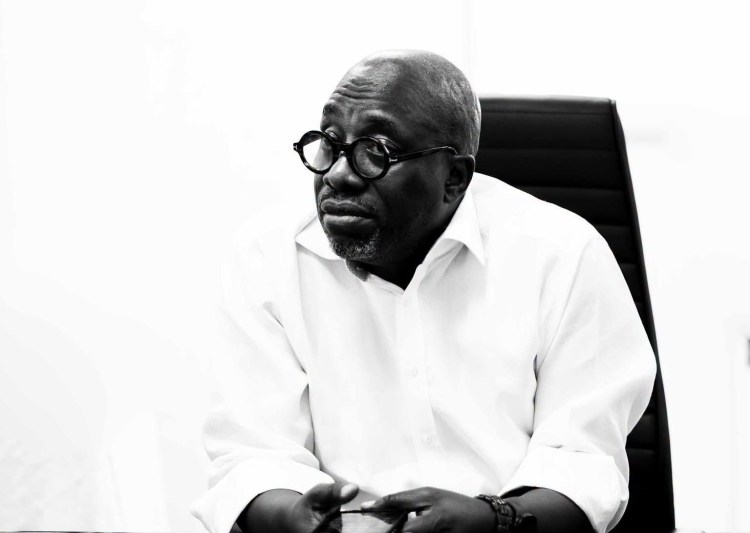
A spokesperson for the Tinubu/Shettima Presidential Campaign Council, Segun Sowunmi, has urged Nigerians to re-elect President Bola Tinubu in 2027, arguing that a second term would allow the administration to consolidate its economic reforms and accelerate development.
Mr Sowunmi made the appeal at a press conference on Thursday, saying Nigeria should not abandon its current development path as the country approaches another presidential election.
“My position is clear: I support President Bola Ahmed Tinubu for a second term because I believe Nigeria must keep moving forward,” he said.
He argued that continuity in government would help deepen the reforms introduced since Mr Tinubu assumed office in May 2023, including measures aimed at restructuring the economy, attracting investment and strengthening public finances.
According to Mr Sowunmi, the 2027 election presents an opportunity to build on the administration’s existing policies rather than change direction.
He said a second term should focus on faster implementation of reforms and ensuring that economic gains translate into better living conditions for ordinary Nigerians.

“The next phase should be about taking the national agenda to the next level: more investment, more production, more industrial capacity, better infrastructure, expanded opportunities for young people, stronger communities and a wider distribution of prosperity,” he said.
Mr Tinubu’s major economic measures include the removal of the petrol subsidy and the unification of the foreign exchange market.
The reforms have helped improve government revenues and aspects of economic stability, but have also contributed to higher living costs, fuelling public discontent.
PREMIUM TIMES reported that savings from the reforms had been largely offset by debt-servicing costs and increased government spending.
Mr Sowunmi maintained that the reforms offered an opportunity to establish a more productive economy, reduce dependence on crude oil and expand manufacturing, agriculture, technology and other sectors.
He also called for sustained investment in infrastructure, electricity, education and healthcare, arguing that improvements in these areas would help businesses grow and create employment.
On electricity, he pointed to the opportunities created by the Electricity Act 2023, which allows states to develop and regulate their electricity markets within the law. The Nigerian Electricity Regulatory Commission (NERC) said in May that 15 states had transitioned to regulating their own electricity markets.
The commission said the transition was intended to encourage local investment and improve regulation.
Mr Sowunmi also highlighted the Nigerian Education Loan Fund as one of the initiatives intended to widen access to tertiary education, saying young Nigerians needed better access to education, technical skills, finance and business opportunities.
He said the government should ensure that economic reforms produce tangible benefits for households, including better employment prospects, improved access to essential services and higher living standards.
“The ultimate purpose of this national transformation is to improve the lives of ordinary Nigerians,” he said.
Mr Sowunmi further linked economic growth to national security, arguing that farmers, traders and businesses needed safer conditions to operate and expand. He called for stronger security institutions alongside efforts to address the economic and social factors that contribute to insecurity.
He said Nigeria had the potential to become a major manufacturing, agricultural-processing and logistics hub in West and Central Africa, but would need consistent policies, stronger institutions and sustained investment to achieve that ambition.

Stay ahead with the latest updates!
Join The Podium Media on WhatsApp for real-time news alerts, breaking stories, and exclusive content delivered straight to your phone. Don’t miss a headline — subscribe now!
Chat with Us on WhatsApp