
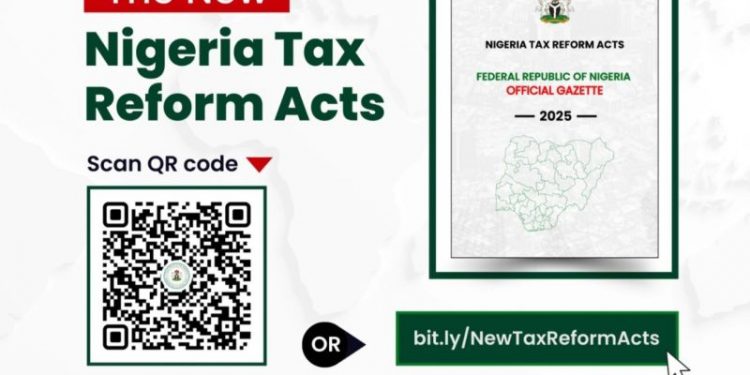
Nigeria’s new tax law takes effect from January 1, 2026, and contrary to online claims, it does not tax bank transfers, gifts, or remittances. Instead, the reform reduces taxes for low-income earners, cuts PAYE for most workers, removes multiple taxes on small businesses, and applies higher rates only to very high earners. This guide explains what truly changes, based on clarifications from Taiwo Oyedele, Chairman of the Presidential Fiscal Policy and Tax Reforms Committee.
Business Opportunities Listing
Why Nigeria Changed Its Tax System
Nigeria’s tax system has long placed a heavy burden on workers and small businesses while collecting little from high-income earners. According to Taiwo Oyedele, the reform was designed to fix three problems:

Too many overlapping taxes
Low-income Nigerians paying more than they should
A system that discouraged compliance
The goal is fairness, clarity, and fewer deductions for most taxpayers.
When Does the New Tax Law Start?
The Nigerian Tax Act and Nigerian Tax Administration Act take effect on January 1, 2026.
They replace outdated provisions and standardize how individuals, freelancers, and businesses are taxed.
Will Your Salary Be Taxed More?
For most Nigerians, income tax will reduce.
Low-Income Earners
About one-third of Nigerian workers will pay zero income tax under the new law.
Middle-Income Earners
If you earn between ₦500,000 and ₦1.5 million monthly, your PAYE deductions will reduce, meaning higher take-home pay without a salary increase.
High-Income Earners
Only people earning around ₦20 million monthly begin to approach the top effective tax rate of about 25 percent, after deductions.
Will Nigerians Pay More Income Tax?
For most Nigerians, the answer is no.
Oyedele explained that under the current system, low-income earners, middle-class workers, and small business owners pay too many taxes. The reform corrects this.

Who Pays Less Tax or No Tax at All
About one-third of Nigerian workers will pay zero income tax
Most middle-class workers will see a reduction in PAYE
If you earn ₦500,000, ₦1 million, or ₦1.5 million monthly, your PAYE deductions will reduce.
Are Bank Transfers, Gifts, or Remittances Taxed?
No.

The new tax law taxes income only, not money moving into your account.
Non-taxable inflows include:
- Gifts and family support
- Remittances
- Money held on behalf of others
- Funds received for projects
Only what counts as personal income is declared.
What Changes for Freelancers and Creators?
If you earn below ₦100 million annually:
- Clients will stop deducting withholding tax
- You receive full payment
- You declare income once a year
Expenses can be deducted before tax is calculated.
This benefits freelancers, consultants, influencers, and service providers.

How Small Businesses Benefit
Small businesses gain the most from the reform:
- Reduced or zero income tax for qualifying companies
- Removal of multiple levies
- No withholding tax deductions below ₦100 million turnover
- Better coordination between federal and state taxes
This lowers compliance costs and cash flow pressure.
What About Crypto and Dollar Earners?
Crypto holders pay tax only on gains, not transaction value.
Losses can now be deducted.
Dollar earners convert income to naira, deduct expenses, and apply the tax table. If income is below the exemption level, no tax applies.
Why There Is So Much Confusion Online
According to Oyedele, misinformation spread due to:
- Misreading of tax clauses
- Fear from past policies
- Poor understanding of income vs inflows
He clarified that the reform removes more taxes than it introduces.
What This Means in Simple Terms
- Most workers keep more of their salary
- Small businesses face fewer deductions
- Only very high earners pay more
- Gifts, transfers, and remittances stay untaxed
Frequently Asked Questions (FAQs)
Does the new tax law apply to students?
No. Students with no income do not file or pay tax.
Will I be taxed just because money enters my account?
No. Only income is taxed, not transfers or gifts.
Is everyone required to file tax returns?
Only people earning income need to file. Low-income earners still declare to confirm exemption.
Will PAYE deductions increase?
For most workers, PAYE deductions will reduce.
Do freelancers still pay withholding tax?
Below ₦100 million turnover, withholding tax deductions stop.
Are small businesses still taxed by multiple agencies?
The reform reduces duplication through a coordinated tax system.
When should Nigerians start preparing for this change?
Before January 1, 2026, by understanding income classification and record keeping.
Stay ahead with the latest updates!
Join The Podium Media on WhatsApp for real-time news alerts, breaking stories, and exclusive content delivered straight to your phone. Don’t miss a headline — subscribe now!
Chat with Us on WhatsApp