



It’s never just one thing that causes cancer. You need to be exposed to several risk factors to be tipped over the edge, for cancerous cells to grow and for your immune system to get confused and not kill them early, as it doesn’t recognise what’s a friend and what’s a foe.
This is the case with bowel cancer, which is on the rise in England. Cases are going up much faster in younger cohorts, aged 25 to 49 (by more than 3 per cent per year), than older ones. In the over-65 group, diagnoses are dropping by the same rate.
This appears to be a global phenomenon. Compared to US adults born in the 1960s, those born in the 1990s are facing a five-fold increased risk of early-onset bowel cancer.
This used to be quite an unusual tumour in people under 50, so the trend sparked such huge international concern that £20m was put behind PROSPECT, a huge research project headed by dozens of medical professionals across the globe, including myself, who were tasked with finding out what’s driving the disease.
Although some cancers affecting young adults often have a genetic basis, that can’t be the explanation here, as genes can’t change that fast. So, the surge must be down to environmental factors that have changed and are affecting people aged 25-50 in a way that didn’t affect their parents and grandparents.
Although research is ongoing and we don’t have all the answers, there are four things that appear to me to be driving the rise in bowel cancer in young people. Here’s what you need to know and how you can potentially reduce your risk.
1. A reliance on ultra-processed foods
The number one thing that has changed over recent decades is the intake of ultra-processed food (UPF). That, in my view, is the predominant theory we should be pursuing.
Many 25- to 50-year-olds have mainly eaten UPFs for their whole lives, from baby formula to snack foods and ready meals, which older groups have not been exposed to as much or as early in life. This category of “artificial” food, created with cheap refined ingredients and multiple additives, lacks fibre, is often pro-inflammatory, may have cancer-inducing effects and impacts the immune system.
The immune system is more important in cancer than we realised, even five years ago. Pretty much all the recent discoveries in cancer show its importance. We now know a major role of immune surveillance is killing off very early cancer cells every day. When that system is impaired, cancers can hide more easily and eventually grow and spread.
Most of our immune system is located in the lining of our colon, where it communicates with and is partly controlled by our gut microbes (the billions of bacteria, viruses and fungi living in our gut). If our gut microbes are upset by UPFs, either directly by the novel chemicals in UPFs, such as emulsifiers and sweeteners and dyes which didn’t use to feature in our diets, or by the lack of fibre or nutrients, this impacts the immune system. The result is an increase in inflammation, sending distress signals around the body; it fails to work as efficiently, particularly defending us against cancer cells.
What to do: Cut back on UPFs, eat more fibre and lose weight
Cutting back on high-risk ultra-processed foods (UPFs) will help. While highly processed meats have garnered the most attention for their clear cancer-causing effects in nearly all studies, we don’t know for sure if they are the worst offenders in our diet – they’re just a category of food that has been historically easy to measure in studies.
This has been picked up as “don’t eat bacon, it gives you cancer”, whereas the truth could be it’s just a general effect of all UPFs and that people who eat lots of processed meat also eat lots of other processed foods as well. I don’t think processed meat is in the clear, but it could be that there are other highly processed foods that are similarly bad, and recent studies have implicated a broad range of UPFs as increasing risk.
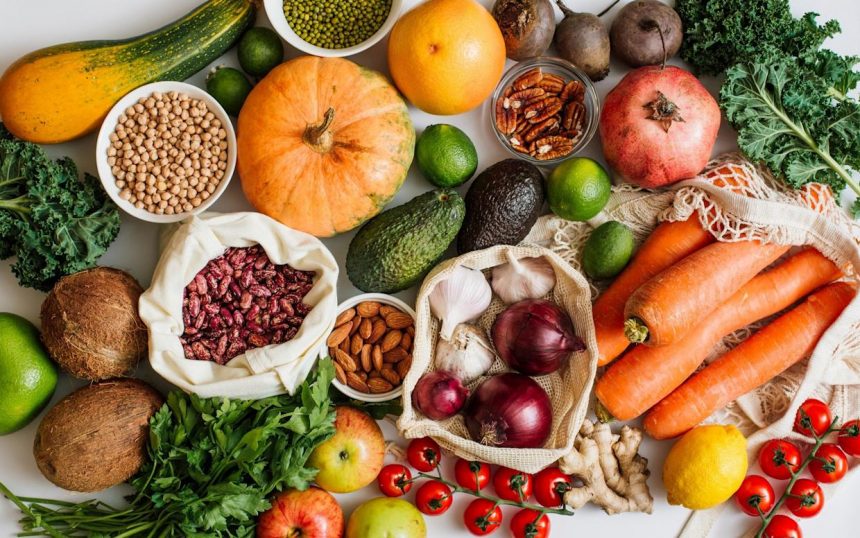
Eating more fibre, found most densely in vegetables, fruits, legumes, nuts and seeds, can also bring down your risk. The data on fibre are very consistent: across studies in every country, people who eat lots of fibre have a lower bowel cancer risk. For every 10g of fibre you eat, you can reduce your risk by around 10 per cent. The average UK intake is around 15g of fibre daily, and over 30g is recommended.

If you are a heavy drinker, reducing your alcohol intake can help. With light drinking, the risks are there, but they’re pretty marginal. Anyone who wants to have zero risk from alcohol should stop altogether, but it’s probably not going to make a huge difference. It’s certainly not driving the rise in bowel cancer, as younger people, where bowel cancer risks are rising, won’t have been exposed to alcohol for as long as the older generation.
Obesity and a lack of exercise increase your risk of cancer, so losing weight if you’re overweight and being more active is good advice for everybody. Carrying excess fat drives inflammation, and higher rates of inflammation can upset the immune system. This may be one reason that the GLP-1 injections also reduce cancer risk.
2. Pesticides in your diet
Small amounts of pesticides and herbicides remain on the surface of foods, like fruit and vegetables, when we eat them. They are also found on UPF items like breakfast cereals. These rates have increased since the 1960s, although they may now be dropping.

Although various government bodies have looked at pesticides and said, “We think these levels are safe”, they’ve been tested in rodents, rather than in humans, over decades.
Low-level intakes over a long time might be harmful. As with the ingredients in UPFs, they may be interfering with our immune system.
There is already some evidence that common herbicides sprayed on lawns and crops, such as glyphosate, may cause some rarer blood cancers, so it’s plausible that there is also a link with early bowel cancer, though we don’t yet have good data. Certainly in America, courts have ordered weedkiller companies to pay billions in damages to people who developed lymphoma after using herbicides in their gardens or at work.
What to do: Buy organic and wash fruit and vegetables
We don’t really know how harmful these chemicals are in the doses used, but to be on the safe side, I buy organic whenever I can, and I now wash my food, whereas I didn’t use to. I’m conscious of which foods have the highest pesticide levels, such as berries, grapes, broccoli, peppers and oats, but I don’t worry about plants with thick skins you can peel.

You might want to avoid or reduce regular pesticide spraying if you are a gardener, but you won’t eliminate pesticides from your diet, even if you go totally organic. However, you would be exposed to a fifth of the pesticide levels in non-organic food. That’s substantially less, so probably a good thing. But the benefits of eating a rich diversity of plants, even with pesticides, is much better than avoiding them entirely.
3. Growing exposure to microplastics
Microplastics – fragments of plastic that are smaller than a grain of sand – are everywhere, and the generation hit by rising bowel cancer rates was brought up on plastic bottles and polyester clothes. There’s a large amount of plastic, both in the air and food, that older generations just weren’t exposed to.
They’ve now been found in the lining of the bowel. There’s quite a lot of preclinical evidence from mice and laboratory studies showing that these microplastics can irritate the body, causing inflammation and weakening of the immune system, and potentially induce some cancers. Unfortunately, there is zero good clinical evidence of clear harm as yet.
What to do: Avoid plastic water bottles and buy fewer clothes
I got my microplastic levels tested and found that I was above average. I’m trying to reduce my exposure to plastic, but there is only so much you can do.
I avoid plastic bottles and containers whenever I can and have reverse-osmosis filters at home, which dispense filtered drinking water that should contain fewer microplastics.
Our clothes seem to be one of the biggest sources of microplastics, constantly shedding plastic dust, especially when we wash items like fleeces.

I do buy fewer synthetic products and wash them less in the washing machine, but this science is very new, and I don’t think we know much about the real risks yet. We need research to see whether people with high exposures are more at risk of bowel cancer later in life.
4. Air quality
People living in cities get more bowel cancer than people living in rural communities. Although cities no longer get smogs, air pollution is still a problem that may be unseen. Exposure to fine particulate matter, which can get deep into our lungs and bloodstream, has been linked with a 40 per cent increased risk of colon cancer in multiple studies in the UK, US and China.
Some of the PROSPECT studies are looking at this difference, and it is potentially a big contributor to the rise in bowel cancer. We know that some hydrocarbons, common pollutants released from car emissions, are pro-carcinogenic. As with many of the other potential risks, it’s thought that pollution disrupts our immune system and fuels inflammation.
What to do: Wear a mask while cycling and regular saunas
I live in London, so atmospheric pollution is quite hard to avoid. You can’t get everyone to move out of cities, away from busy roads, or stop driving to work.
One thing that may help is wearing a mask while cycling, but I admit I don’t do this as I don’t like wearing one. That’s a compromise that some people may want to make.
There’s some early evidence that you can get rid of at least some of these chemicals and toxins by sweating a lot, so steaming or saunas may be a good thing to try, especially if you enjoy them anyway.
We could have foreseen that these four potential drivers of bowel cancer were dangerous.
Although we still don’t know the full story or exact risks, none of them sound good, do they? “Let’s just spray everything with pesticides to keep food cheap, fill the air with particles and microplastics and give our kids UPFs from birth, claiming they are healthy.”
It makes me angry that lots of young people have to die before anyone takes notice of the environment we now live in. Hopefully we can change it.
Stay ahead with the latest updates!
Join The Podium Media on WhatsApp for real-time news alerts, breaking stories, and exclusive content delivered straight to your phone. Don’t miss a headline — subscribe now!
Chat with Us on WhatsApp