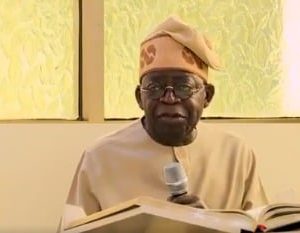




For those who watched Nigerian football in the 1980s, some memories remain vivid long after the matches themselves have faded. The stadiums were loud, the contests fierce, and the talent unmistakable. But among the many gifted players who wore the green and white of Nigeria, one figure moved through midfield with a kind of quiet originality that set him apart: Henry Nwosu.
Nwosu was not always the fastest player on the field, nor the most physically imposing. What he possessed instead was something more elusive — imagination. He saw possibilities others did not. With the ball at his feet, he seemed to slow the game down, weighing options in the split second before defenders could react. A turn here, a disguised pass there, and suddenly an attack would unfold.
To many fans, he embodied the artistry of Nigerian football.

His name first entered the national consciousness when he was selected as the youngest member of the Nigerian squad that won the 1980 Africa Cup of Nations. Nigeria’s triumph in that tournament remains one of the defining moments in the country’s sporting history. For a teenager to be part of that team was remarkable in itself, and it earned Nwosu a nickname that followed him for the rest of his career: “Youngest Millionaire.”
But his significance to Nigerian football would grow far beyond that early distinction.
By the time the 1988 Africa Cup of Nations arrived in Morocco, Nwosu had matured into the creative brain of the national team. Nigeria’s attack revolved around the powerful finishing of Rashidi Yekini, but just behind him was Nwosu — probing, drifting, and constantly searching for ways to unlock opposing defences.
It was a tournament filled with some of Africa’s most celebrated footballers. Morocco had the elegant Mohamed Timoumi and the dazzling winger Asia Bouderbala. Algeria could call upon the genius of Lakhdar Belloumi and the legendary striker Rabah Madjer. Zaire featured talents such as Kabongo Ngoy.
Yet amid this constellation of stars, Nwosu held his own.
He played with a style that was difficult to categorise. There was intelligence in the way he positioned himself between midfield and attack, always available for the next move. There was patience in his passing, rarely rushed, often surprising. And there was flair — not the extravagant showmanship of stepovers and tricks, but the quieter kind that revealed itself in the elegance of his solutions.
Fans often found themselves watching him even when the ball was elsewhere, waiting for the moment he would reappear to shape the next attack.
Nigeria would go on to finish as runners-up in that tournament, losing the final to Cameroon. But the campaign reinforced Nwosu’s reputation as one of the most inventive midfielders the country had produced. In an era when African football was brimming with physical power and individual brilliance, he represented something slightly different: a playmaker whose game was built on vision.
Those who saw him play remember not only the results but the feeling he created on the pitch. Football, in Nwosu’s hands, could feel unpredictable and creative at the same time. A defender might anticipate one pass, only for the ball to slip in another direction entirely. A seemingly harmless possession could suddenly become a scoring opportunity.
That sense of invention is part of why his performances remain so fondly remembered decades later.
Nwosu belonged to a generation that helped shape Nigeria’s football identity during a formative period. The Green Eagles of the 1980s carried the expectations of a nation that was discovering the power of football as a shared cultural experience. Their matches were not merely sporting contests; they were moments of collective emotion, followed across the country on radio broadcasts and in crowded viewing centres.
Within that landscape, players like Nwosu became symbols of possibility.
They represented a belief that Nigerian football could stand confidently alongside the best on the continent. The success of the 1980 team had opened that door, and the performances of the late 1980s helped keep it open for the generations that would follow.

In the years since, Nigerian football has produced many remarkable talents and achieved new milestones on the global stage. But every era has its architects — players whose influence is woven quietly into the game’s development.
Henry Nwosu was one of those figures.
His passing marks the loss of a footballer whose style spoke of imagination as much as competition. For those who watched him in his prime, the memory remains clear: a midfielder gliding into space, lifting his head, and delivering a pass that no one else had quite seen coming.
In that moment, the stadium would hold its breath.

And for a brief instant, the game belonged entirely to him.
Stay ahead with the latest updates!
Join The Podium Media on WhatsApp for real-time news alerts, breaking stories, and exclusive content delivered straight to your phone. Don’t miss a headline — subscribe now!
Chat with Us on WhatsApp