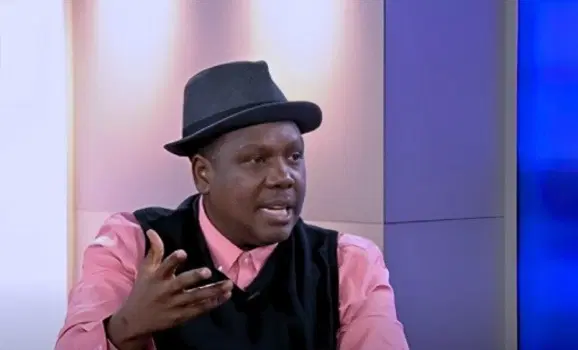
I have watched the interview conducted by Foltyn Golo of Al Jazeera with Daniel Bwala, one of the media aides to Bola Ahmed Tinubu.
The video is now trending widely across social media platforms.
Whoever approved that interview on behalf of the Presidency must bear responsibility for the outcome. The encounter unfortunately became uncomfortable viewing. Many observers believe Al Jazeera effectively put Bwala on the spot in a way that reflected poorly not only on him, but indirectly on the President and on Nigeria.

This incident once again reminds us of something we have said repeatedly: public communication on behalf of a nation must be handled with extreme care and professionalism.
Why?
Because when anyone speaks in an international media forum, they are not merely representing themselves. They are representing the country.
Global networks such as Al Jazeera, BBC, and CNN are known for rigorous interviews. Experienced interviewers are trained to probe inconsistencies, confront contradictions, and push their guests to the limit.
Anyone appearing on such platforms must therefore be extremely well prepared, fully briefed, and personally credible.
Unfortunately, the interview revealed several avoidable mistakes.
- Denial of previously recorded statements
During the interview, Bwala appeared to deny comments he had made in the past about President Tinubu. However, those statements already exist in public video records and media archives.
Several outlets, including Premium Times and TheCable, have previously reported on remarks he made when he was still in the opposition, sharply criticising Tinubu.
- Attempting to bluff through difficult questions
Rather than acknowledge those past comments, he attempted to argue his way around them. Unfortunately, seasoned interviewers quickly detect such manoeuvres, and this often makes the situation worse.
- Apparent lack of preparation
The interview created the impression that adequate preparation had not been done. International interviews require anticipation of difficult questions, especially when previous public statements exist on record.
Ironically, the situation could have been handled much more effectively with a simple and honest response.
All that was required was for Bwala to acknowledge the earlier comments and explain them in context. For example, he could have stated that his earlier views were formed when he did not have full insight into the President’s leadership and that working more closely within government had given him a different perspective.
Such an approach would likely have neutralised the line of questioning immediately and prevented further embarrassment.

The broader lesson here is important.
1• Government communication is serious business. Not everyone is suited for high-stakes international media engagements.
2• Those chosen to speak for Nigeria must possess three things:
- Credibility
- Preparation
- Strategic communication discipline
Without these, even a routine interview can quickly turn into a reputational setback.

Today, unfortunately, the dominant public perception emerging from that interview is not flattering. Many viewers have concluded that Bwala appeared evasive and inconsistent. Fair or unfair, such perceptions inevitably extend beyond the individual to the administration he represents, and by extension to the country itself.
That is why governments across the world carefully vet, train and deploy their spokespersons before sending them into global media arenas.
Nigeria must learn to do the same.
Because when Nigeria speaks to the world, it must speak with clarity, credibility and preparation.
Stay ahead with the latest updates!
Join The Podium Media on WhatsApp for real-time news alerts, breaking stories, and exclusive content delivered straight to your phone. Don’t miss a headline — subscribe now!
Chat with Us on WhatsApp