



One drink was the clear winner. Here’s why you should start your day with it.
- Drinking water in the morning is a simple way to support healthy kidneys.
- Prioritizing water in the morning helps dilute waste, support blood flow and maintain hydration.
- Consume more water by pairing it with your morning habits and drinking more tea.
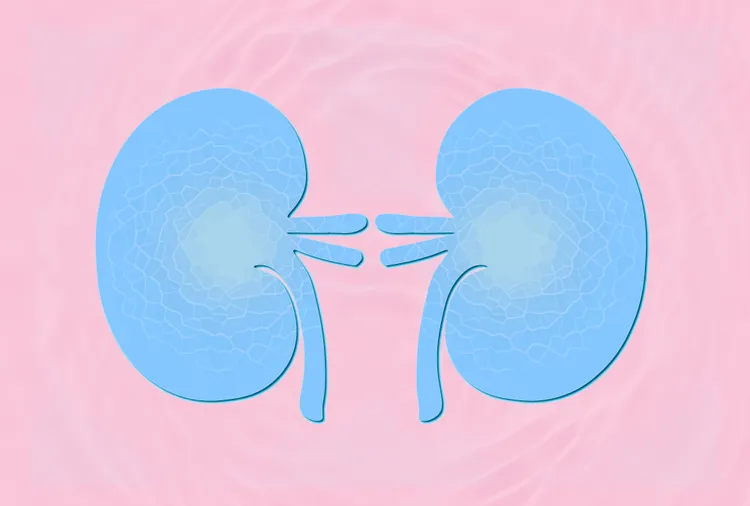
Our diet plays a big role in how our kidneys function. “Your kidneys are responsible for getting rid of the waste from everything you eat and drink. So, it isn’t surprising that nutrition has the potential to be both incredibly helpful or harmful to kidney health,” says Melanie Betz, M.S., RD, CSR. Kidneys are hardworking organs responsible for filtering blood, removing waste and creating urine.1
By choosing nutritious food and beverages, you can help your kidneys function at their best. To start your morning off right, dietitians unanimously agree that water is the best wake-up drink to support healthy kidneys. Read on to learn how water supports your renal system by promoting the filtration process, hydration and blood flow.

1. Dilutes Waste
When you wake up in the morning, it’s likely been hours since you’ve had a sip of water. “Water is the best morning drink for your kidneys because it gives your kidneys what they need to start the day doing their job,” shares Beverly Garden, RD. “After your body goes hours without fluids, drinking water in the morning dilutes waste products so your kidneys can filter more easily,” she adds.
The kidneys are made up of more than a million nephrons, which act as a two-step filter for your blood. The glomerulus filters the blood, and the tubule returns the good stuff back to your blood and removes what your body doesn’t need as waste and water to become urine.1 Hernandez notes, “Water and fluids are what keep that system running efficiently. When you’re well-hydrated, the kidneys can easily filter waste products and excess vitamins and minerals out of the body by flushing them out through urine,” explains Jen Hernandez, RDN, CSR, LDN.
Diluted urine, which happens when you drink enough water, helps support your kidneys. Having an output of at least three liters of urine daily has been linked with better kidney function over time, while less than one liter of urine daily is associated with a decline in kidney function.2
2. Keeps You Hydrated
Saying water helps keep you hydrated is a little bit like saying water gets you wet, but that doesn’t make drinking it any less important. “When you are dehydrated, your kidneys aren’t filtering as much as they should, which can damage them over time, or if dehydration is severe enough, it can lead to chronic kidney disease,” shares Betz. She adds that “water is cheap, accessible, and is the best way to hydrate for the vast majority of people. We really don’t need fancy electrolyte or hydration powders to help with hydration.”
The kidneys don’t just filter less when you’re dehydrated; they also influence hormones that affect blood pressure. To help counteract dehydration and balance fluids, they release renin, an enzyme that starts a cascade of hormonal shifts from your adrenal glands that encourage your body to retain sodium and water when you’re dehydrated. The activation of the renin-angiotensin-aldosterone system can elevate blood pressure and keep your kidneys working overtime.34
Garden adds that staying hydrated helps prevent stress on the kidneys and reduces the risk of kidney stones. Chronic dehydration reduces urine volume and increases the concentration of solutes, such as calcium and oxalates, which can form kidney stones.23
3. Improves Blood Flow
Dehydration can lead to a decrease in blood volume, which results in an increased sodium concentration in the blood. When your body detects this change in blood volume and sodium, it constricts blood vessels, which temporarily increases blood pressure to help maintain circulation. Drinking water to rehydrate helps maintain homeostasis.5
After diabetes, high blood pressure is the second biggest reason for kidney failure in the U.S. High blood pressure reduces how much blood flows to the kidneys. Over time, narrowed blood vessels in the kidneys can become damaged and can’t filter blood as well.6
High blood pressure doesn’t just go away by drinking a glass of water, but staying hydrated can help keep blood flowing to your kidneys. That is because most of blood’s volume is water, and staying hydrated helps reduce strain on your heart to keep blood flowing.7
How To Drink More Water
Starting your day with a glass of water may take a bit of getting used to. Here are some tips to make hydration part of your morning routine.
- Habit stack your beverage. Keep a glass of water next to your toothbrush so when you brush your teeth you remember to drink, or put your water bottle by the dog’s leash if you always take your pup for a morning walk. Adding drinking water onto something you already do can help make the behavior more automatic.8
- Pair it with your coffee. Pairing water with your favorite morning beverage can be a seamless way to incorporate it into your routine. Plus, the water in coffee counts toward your hydration goals. “People who drink coffee actually [may have] a lower risk of both kidney disease and kidney stones,” Betz shares.910
- Drink tea. Just like coffee, you can get your water through a cup of tea to support your hydration goals. “Green tea has been shown to protect against kidney damage caused by providing antioxidants and supporting anti-inflammatory mechanisms in the body,” adds Hernandez.11
Other Tips for Healthy Kidneys
“What we eat and drink [has] a major impact on kidney health. The top two causes of kidney disease are diabetes and high blood pressure, respectively. While there are certain factors out of our control, such as age, genetics, and family history of kidney disease, our diet and lifestyle are two things we do have control over,” states Hernandez.6 Follow these expert tips to help keep your kidneys healthy.
- Eat a balanced diet. Both the Mediterranean Diet and DASH diet have been shown to support healthy kidneys.12 Betz echoes this, explaining that “both of these dietary patterns encourage lots of fruits, vegetables, whole grains and whole-food plant proteins like beans, nuts, seeds and lentils, along with limiting red/processed meat and added sugar and salt.”
- Skip sugary beverages. Too many sugar-sweetened beverages can increase your risk of developing diabetes, a risk factor for kidney disease. “A meta-analysis found that consuming more than 7 servings per week of sugar-sweetened beverages significantly increased the risk of chronic kidney disease,” notes Hernandez.13 In addition to plain water, try unsweetened tea and sparkling water to keep added sugar intake down.
- Know your risk factors. Even though 1 in 7 U.S. adults have chronic kidney disease, about 90 percent of people don’t know they have it.14 While there aren’t many noticeable symptoms during the beginning stages of kidney disease, early detection and treatment is important. If you have risk factors like a family history of diabetes, heart disease or high blood pressure, obesity, kidney stones, or you’re over 60, talk to your doctor. If you’re in a higher-risk group, they may recommend tests for more information.14
Our Expert Take
Water is a winning beverage for kidney health. Starting your morning by drinking water helps dilute waste, improve hydration and let blood flow more easily. Essentially, drinking water aids your kidneys in doing their job. You can enjoy water on its own, or in a cup of green tea or coffee. In addition to hydrating, eating a healthy diet, limiting sugary beverages and being aware of risk factors can help keep your kidneys healthy.
Source: www.eatingwell.com

Stay ahead with the latest updates!
Join The Podium Media on WhatsApp for real-time news alerts, breaking stories, and exclusive content delivered straight to your phone. Don’t miss a headline — subscribe now!
Chat with Us on WhatsApp