Prior to the 2015 election, during President Goodluck Jonathan’s administration, it was clear to many observers that the Yoruba political class was not prominently represented in the highest offices of the land. The President was from the South South, the Vice President from the North West, the Senate President from the North Central, and the Speaker from the North West. In the most visible power structure of the federation, the Yoruba voice was not at the forefront.
Yet, there was no loud campaign of grievance. There was no sustained narrative of victimhood. There was no attempt to demarket the country or delegitimize the system. Instead, there was reflection. There was strategy. There was a sober reassessment of how to regain political relevance within the framework of national politics.
The conclusion was simple and pragmatic. Relevance in Nigeria does not come from isolation. It comes from coalition. It comes from alignment. It comes from understanding that national politics requires national partnerships.

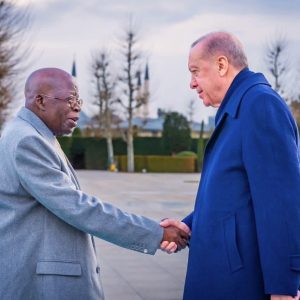
That period produced a political recalibration led by Asiwaju Bola Ahmed Tinubu. The approach was not sectional. It was not emotional. It was deliberate. It was to engage the North, build bridges, and create a political alliance that could alter the balance of power at the center. The partnership with Muhammadu Buhari in 2015 was the outcome of that strategy. It returned the Yoruba to the heart of federal power through the office of the Vice President.
Eight years later, that same political pathway has culminated in a Yoruba man becoming President of the Federal Republic of Nigeria.
This is the lesson. Political relevance in a federation like Nigeria is not achieved through estrangement. It is achieved through participation. It is achieved through patient coalition building, through national outlook, and through strategic engagement with the center.
At no point during the years of underrepresentation did the Yoruba political establishment attempt to undermine the legitimacy of the country. The focus was on how to re-enter the mainstream of national politics with strength and credibility.
This is a lesson that remains relevant for every region. Sustainable political influence in Nigeria requires humility, planning, and the willingness to play national politics rather than sectional politics. It requires alignment with the federal center, constructive engagement, and long term strategy.
That is how political relevance is built. That is how it is sustained.
Stay ahead with the latest updates!
Join The Podium Media on WhatsApp for real-time news alerts, breaking stories, and exclusive content delivered straight to your phone. Don’t miss a headline — subscribe now!
Chat with Us on WhatsApp