
Nigeria’s economic outlook for 2026 shows encouraging signs of stability and renewed business confidence, but experts at PricewaterhouseCooper, PwC, warned that the gains remain fragile and highly exposed to oil market volatility, foreign exchange pressures and policy-induced shocks.
This was the consensus at the PwC and Businessday Executive Roundtable, on Nigeria’s 2026 Budget and Economic Outlook, held in Lagos, where optimism was tempered by caution over unresolved structural and geopolitical risks.
In his opening remarks at the roundtable themed “Nigeria’s Economic Outlook 2026: The Executive Playbook for Growth, Resilience, and Efficiency”, Sam Ado, Regional Senior Partner, PwC West Africa, said global and Nigerian CEOs are now operating with what he described as “two lenses.” One lens, a microscope, focuses on immediate threats such as geopolitics, cyber risks and global instability, while the second, a telescope, looks at long-term opportunities driven by technology, artificial intelligence and innovation.

Applying this framework to Nigeria, Ado highlighted notable macroeconomic improvements.
Inflation, he said, has eased to 14.45 per cent, down from levels that previously classified Nigeria as a high-inflation environment.
He noted that the local currency, Naira, has strengthened to around N1,436/$, while foreign exchange reserves have climbed above $45 billion, offering some buffer against external shocks.
He stated further: “These outcomes reflect disciplined monetary policy and a degree of stability many once thought impossible.”
However, he cautioned that stability should not be mistaken for success.
He stated: “Stability is not victory. It is only a platform on which sustainable growth must be built.
”PwC’s 29th Global CEO Survey (Nigeria perspective) reflects this renewed confidence, with 90 per cent of Nigerian CEOs expecting economic improvement in 2026, up from 64 per cent last year. About 56 per cent are very confident about revenue growth, significantly higher than the global average.”
Ado stressed that risks persist, particularly on the fiscal front, adding: “Despite modest revenue gains, debt servicing is projected to consume about 45 per cent of federal revenue, while the fiscal deficit remains high at approximately N24 trillion.”
He identified four priorities for Nigerian businesses in 2026: strategic reinvention; technology, data and AI; cybersecurity and trust; and sustainability and peace.
On the broader development context, Frank Aigbogun, Publisher of BusinessDay, highlighted the role of business leadership in supporting long-term development. He noted that Nigeria can fund only a fraction of the infrastructure required for growth, and emphasised that strengthening tax compliance and constructive civic engagement is essential.
While, providing a macro risk assessment, Olusegun Zaccheaus, Partner, Chief Economist and Strategy Head, West African Market at PwC, warned that security challenges remain a major downside risk and are unlikely to be resolved in 2026, especially as the year precedes national elections. He noted that Nigeria continues to face transnational threats that extend beyond domestic control.”
On monetary policy, Zaccheaus expressed cautious optimism, saying relative stability is expected to continue into 2026.
“However, interest rates are unlikely to fall sharply despite easing inflation, as authorities remain concerned about liquidity pressures typically associated with election cycles.

”While investment sentiment is improving, he cautioned that consumer recovery will lag overall economic growth, as the benefits of stability take time to translate into jobs and household income. Sectoral performance will also remain uneven, with services and oil and gas expected to outperform manufacturing and import-dependent sectors” he said.
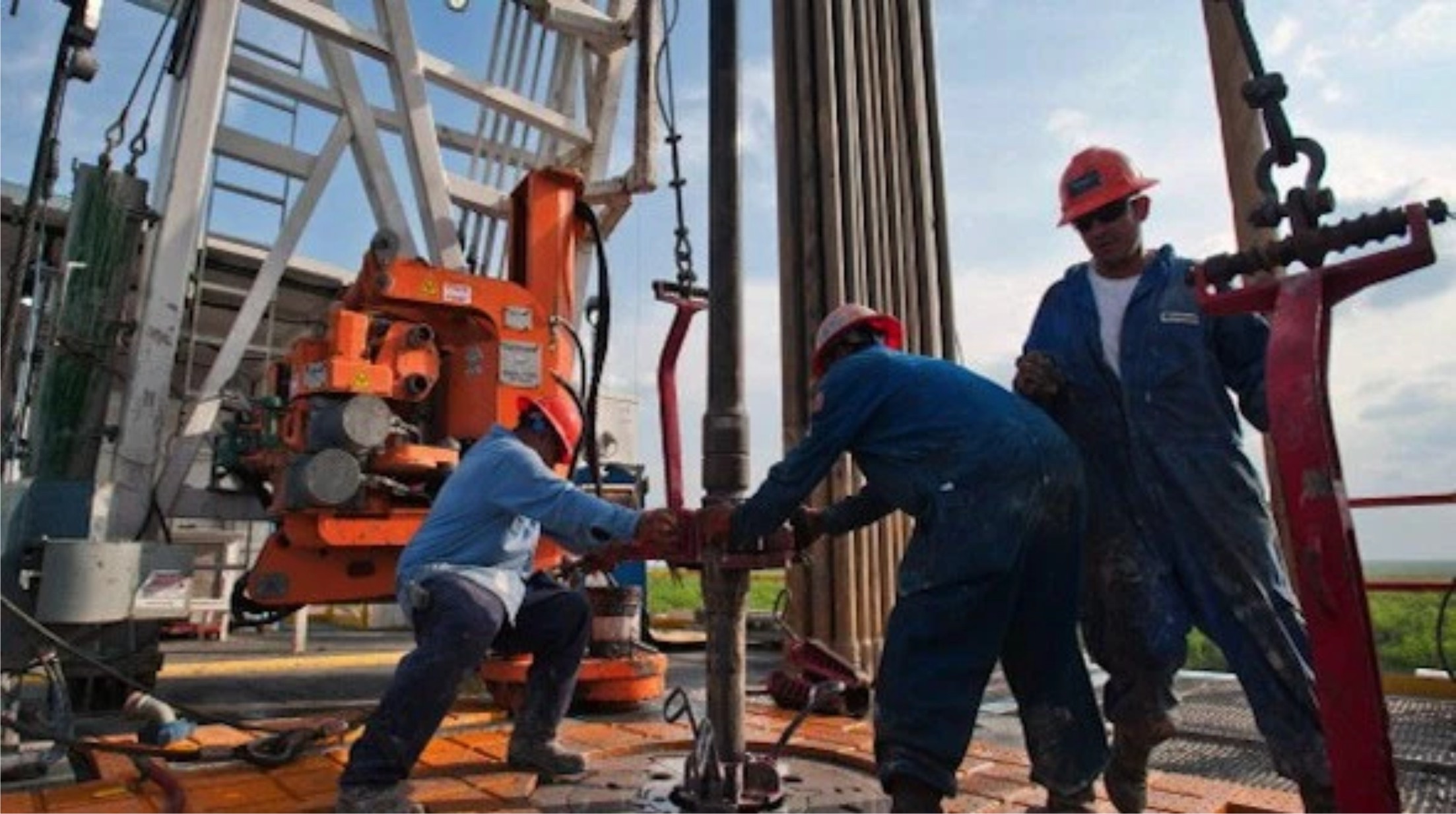
Zaccheaus further warned that Nigeria’s outlook remains vulnerable to oil production shocks, FX disruptions and geopolitical trade tensions, particularly in an increasingly fragmented global economy. Any major disruption to oil output or prices, he said, could undermine budget assumptions and FX availability.
From a fiscal sustainability and tax perspective, Kenneth Erikume, PwC Partner and Tax Reporting & Strategy Leader, said Nigeria’s long-standing challenge of expenditure outpacing revenue remains unresolved. Delays in capital expenditure releases in 2025, he noted, pushed projects forward and weakened economic momentum.
“With public debt estimated at N152 trillion, Erikume said borrowing would continue in 2026, but stressed that revenue mobilisation through tax administration efficiency, data and technology is now critical”.

Stay ahead with the latest updates!
Join The Podium Media on WhatsApp for real-time news alerts, breaking stories, and exclusive content delivered straight to your phone. Don’t miss a headline — subscribe now!
Chat with Us on WhatsApp