
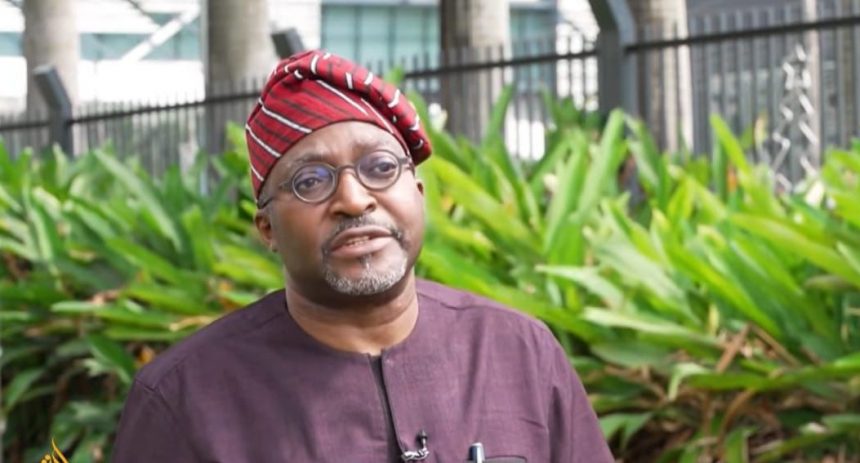
Ademola Oshodi, senior special assistant to President Bola Tinubu on foreign affairs and protocol, says the recent air strikes on ISIS terrorists in Sokoto by the United States exemplify improved cooperation between Nigeria and the American government.
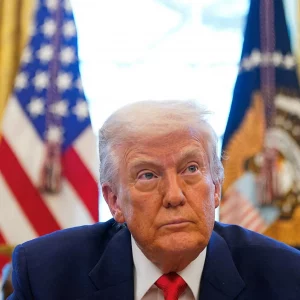
The air strikes followed earlier warnings by US President Donald Trump about possible military intervention after he re-designated Nigeria a ‘country of particular concern’ in response to allegations of a Christian genocide in the country.
Speaking to Al Jazeera, Oshodi said the US president’s language of threat reflected a breakdown of diplomatic trust.

“This signified pressure, not partnership,” he added, noting, however, that Nigeria has “reasserted the primacy of diplomacy, institutional process, and sovereign consent” under the leadership of Tinubu.
Oshodi said the strikes which happened on Christmas Day followed sustained intelligence exchanges, command-level coordination, and agreed rules of engagement that respected Nigeria’s constitutional authority.
“It was defined, time-bound cooperation in which Nigeria retained decision-making control. That distinction is critical,” he said.
“For Nigeria, the significance lies in maintaining strategic autonomy while confronting asymmetric threats across borders and ungoverned spaces.
“External cooperation strengthens national capacity only when bound by clear oversight, transparent objectives, and accountability to Nigerian institutions.
“For the United States, this cooperation offers more than tactical success. It reflects an understanding that counter-terrorism efforts detached from local ownership often fail operationally and politically.
“Acting with Nigeria, rather than over Nigeria, preserves diplomatic credibility where perceptions of external intervention carry lasting consequences.”
Oshodi noted that while the security cooperation suggests a cautious recalibration in Nigeria–US relations, trust must be sustained through consistency, restraint, and respect for Nigeria’s regional responsibilities.
“The question is not whether Nigeria should cooperate with partners, but how such cooperation is governed, limited, and aligned with our strategic interests,” he said.
“Security partnerships must strengthen sovereignty and remain accountable to the citizens in whose name they operate. Under what conditions should external military cooperation be deemed necessary, and at what point does it undermine the stability it seeks to protect?”
Stay ahead with the latest updates!
Join The Podium Media on WhatsApp for real-time news alerts, breaking stories, and exclusive content delivered straight to your phone. Don’t miss a headline — subscribe now!
Chat with Us on WhatsApp