


Nigeria’s oil sector forfeited an estimated N1.76 trillion in potential revenue after failing to consistently meet its crude oil production quota set by the Organization of the Petroleum Exporting Countries (OPEC) between January 2025 and January 2026.
Production figures released by the Nigerian Upstream Petroleum Regulatory Commission show the country fell short of its 1.5 million barrels per day (mbpd) allocation in nine months of 2025 and again in January 2026, despite relatively firm global oil prices.
Nigeria exceeded the quota only three times — in January, June and July 2025 — posting slight surpluses. For most of the year, however, output lagged behind target levels, with monthly deficits ranging from 10,000 barrels per day to as much as 110,000 barrels per day. The lowest production was recorded in September at 1.39 mbpd.

Across the underperforming months, the cumulative shortfall reached about 18.7 million barrels. After adjusting for the small surpluses, the net annual deficit stood at 16.85 million barrels. January 2026 added another 1.27 million barrels to the gap, pushing the total missed output over the 13-month period to roughly 18.12 million barrels.
Using price data from the Central Bank of Nigeria, Nigeria’s flagship Bonny Light crude oil averaged $72.08 per barrel over the period. At that price, the lost barrels translate to about $1.31 billion. Converted at an exchange rate of N1,353 per dollar, the figure amounts to approximately N1.76 trillion in unrealised revenue.
The loss occurred even though total crude output for 2025 stood at over 530 million barrels, generating gross receipts estimated at N55.5 trillion. Analysts noted that this figure represents gross inflows and does not account for production costs, contractual obligations, or losses linked to oil theft and operational disruptions.
Energy experts say the recurring shortfalls point to deeper structural issues in the sector, including pipeline vandalism, insecurity in the Niger Delta, infrastructure bottlenecks, and inconsistent production across fields.
Commenting on the trend, Professor Emeritus Wumi Iledare said the country’s performance depends less on projections and more on practical reforms. He urged the government to strengthen security around oil assets, minimise disruptions, speed up regulatory approvals, and create a stable operating environment to help producers maximise capacity.
Similarly, economist Segun Ajibola said production outcomes are influenced by technical, environmental and market factors, many beyond direct government control, adding that operational challenges within the national oil industry have compounded the problem.
Meanwhile, data from the Nigerian National Petroleum Company Limited and the Organization of the Petroleum Exporting Countries indicate output improved slightly to about 1.46 mbpd in January 2026 from 1.42 mbpd in December, but still below the quota — marking the sixth consecutive month of underperformance.
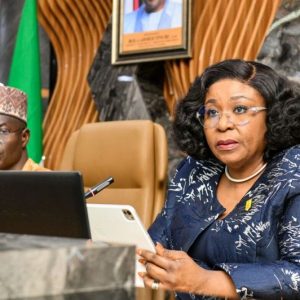
The new chief executive of the Nigerian Upstream Petroleum Regulatory Commission, Oritsemeyiwa Eyesan, has pledged to boost output through production optimisation, faster regulatory processes and improved operational governance, in line with the administration’s broader target of raising crude production to 2 mbpd by 2027 and 3 mbpd by 2030.
Stay ahead with the latest updates!
Join The Podium Media on WhatsApp for real-time news alerts, breaking stories, and exclusive content delivered straight to your phone. Don’t miss a headline — subscribe now!
Chat with Us on WhatsApp