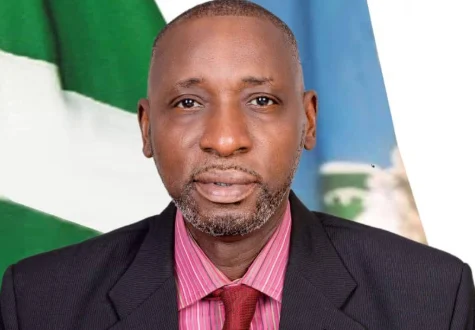
The Director-General of the National Institute of Policy and Strategic Studies (NIPSS), Ayo Omotayo, has said that engaging in dialogue with bandits responsible for killing Nigerians is acceptable, provided it leads to the safety of citizens.
Omotayo made the remark in an interview with Arise News on Wednesday, in response to comments by Islamic cleric Sheikh Ahmad Gumi, who had suggested that negotiations with armed groups could complement efforts to curb violence in the North.
In the interview, Omotayo stressed that attempts to negotiate do not signal weakness on the part of the government.

“The purpose of government is to secure its people and secure its assets. So I would believe that any government that is responsible will look for all means, all ways to ensure that the people are protected,” he said.
Omotayo acknowledged the recent spike in banditry, saying, “I agree that there has been an upsurge recently, but before now we all will agree that we had some semblance of peace.”
He noted that “anyone who is perceptive, we know where all of this resurgence is coming from,” and expressed confidence that security forces could regain control “once the necessary support is given to them.”
On negotiations, he added, “Negotiating with those who kill our people is welcome if we can do so. As long as Nigerians are safe, the important thing is for Nigerians to be safe.”
Omotayo’s comments come amid heightened debate over Gumi’s engagements with bandit groups.
In a separate interview with DRTV, Gumi explained that he is often accompanied by security agencies during such meetings, raising questions about the role of dialogue in the country’s security strategy.
Shifting to foreign policy, Omotayo addressed concerns from the PUNCH report that India and other countries may reject Nigerian ambassadors due to the limited tenure remaining in office.
“If you are referring to India, I want to believe that the relationship we have with India has always been there. We have respected ourselves. A whole lot of Indian companies are working here, and I do not want to advise or push the Federal Government to do anything against what India’s laws and policies are,” he said.
Omotayo explained that India’s law bars accepting ambassadors whose terms in office have less than two years remaining, but stressed that this does not constitute a diplomatic failure.
“If we are unable to send ambassadors, it does not mean that the country has done anything too wrong. I do not want Nigeria to see this as a foreign policy failure.
“Not having ambassadors does not really matter. America doesn’t have ambassadors everywhere. Some countries combine ambassadors for two or three different countries,” he said.
He further reassured all that strategic relationships will endure despite delays. “It is important we have an ambassador in India. But if they reject our ambassador, then I’m sure India will probably bend back for Nigeria given our long-term relationship,” Omotayo said.
Stay ahead with the latest updates!
Join The Podium Media on WhatsApp for real-time news alerts, breaking stories, and exclusive content delivered straight to your phone. Don’t miss a headline — subscribe now!
Chat with Us on WhatsApp