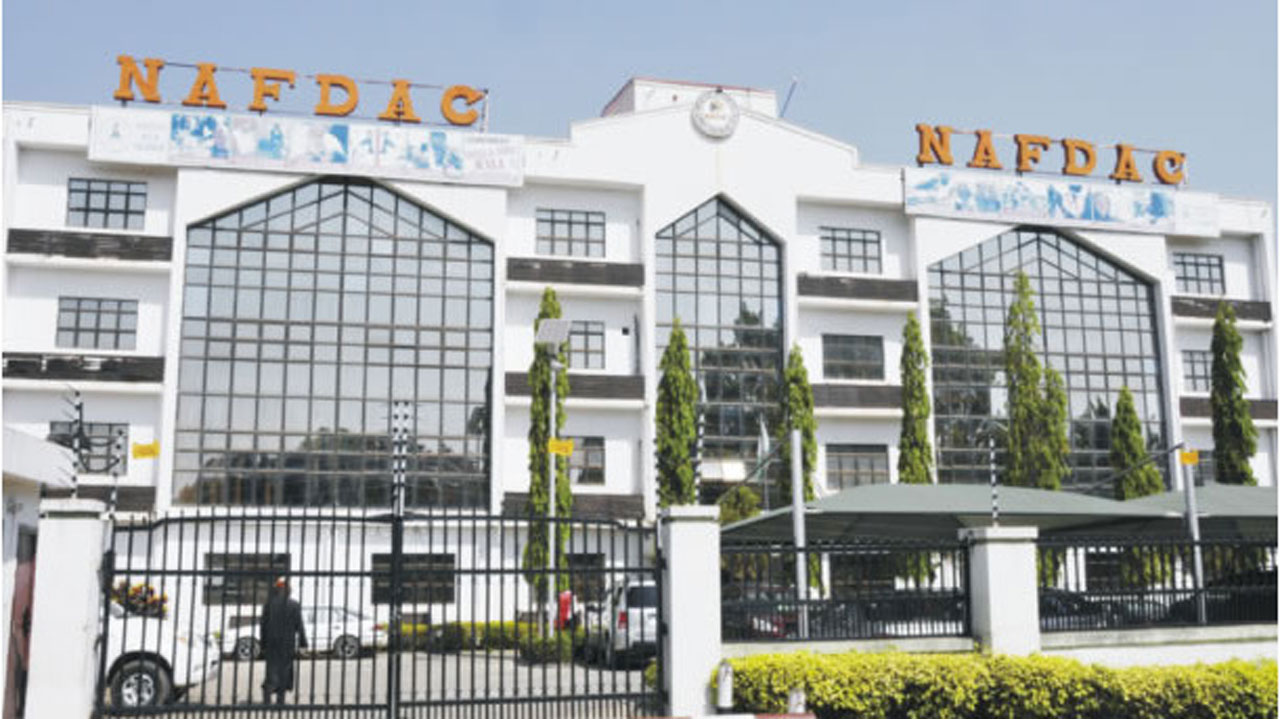
The National Agency for Food and Drug Administration and Control (NAFDAC) has raised an alarm over the growing circulation of banned food products, including pasta, noodles, sugar, and tomato paste, in markets across Nigeria.
The agency, in a press release on 6 December 2025, warned that these items are expressly listed on the Federal Government’s Customs Prohibition List and are illegal to import.
NAFDAC stated that the sale and distribution of such prohibited items violate national trade laws, compromise the integrity of Nigeria’s food control system, and pose significant public health risks, as they have not undergone the agency’s mandatory safety and quality evaluations.

What NAFDAC is saying
Importers, market traders, and supermarket operators have been directed to immediately cease all dealings in these items and to notify their supply chain partners to halt transactions involving prohibited products.
The agency emphasized that failure to comply will attract strict enforcement measures, including seizure and destruction of goods, suspension or revocation of operational licences, and prosecution under relevant laws.
“The National Agency for Food and Drug Administration and Control (NAFDAC) has raised an alarm over the growing incidence of smuggling, sale, and distribution of regulated food products such as pasta, noodles, sugar, and tomato paste currently found in markets across the country.
“These products are expressly listed on the Federal Government’s Customs Prohibition List and are not permitted for importation,” the statement read in part.
NAFDAC also called on other government bodies, including the Nigeria Customs Service, Nigeria Immigration Service, Standards Organisation of Nigeria (SON), Nigerian Ports Authority (NPA), Nigerian Maritime Administration and Safety Agency (NIMASA), Nigeria Shippers Council, and the Nigeria Agricultural Quarantine Service (NAQS), to collaborate in enforcing the ban on these unsafe products.
What you should know
Beyond the warning about regulated food items, NAFDAC has in recent times repeatedly raised alerts about pharmaceutical and health-product risks tied to falsified or substandard drugs circulating in Nigeria.
- The agency warned about a falsified version of Postinor‑2 (levonorgestrel 0.75 mg) emergency contraceptive pill, noting that counterfeit versions carried batch numbers T36184B and 332 and bore the registration number 04-6985, though they were not imported by the legitimate marketing authorisation holder.
- Also highlighted was a falsified version of Chloroquine Phosphate tablets discovered in Jos, which contained no active pharmaceutical ingredient (API) despite showing registration number 04-8769, which turned out to be invalid.
- Another alert covered a counterfeit of Trastuzumab (brand name Herceptin® 600 mg/5 ml) used for HER2-positive breast cancer, identified in Ghana and traced back to Nigeria; the batch number was A8519 and did not match any authentic batches from the original manufacturer.
Stay ahead with the latest updates!
Join The Podium Media on WhatsApp for real-time news alerts, breaking stories, and exclusive content delivered straight to your phone. Don’t miss a headline — subscribe now!
Chat with Us on WhatsApp