




Walking doesn’t look like medicine. That’s probably the problem.When people think about fixing their health, they imagine drastic change. Gym memberships. Fancy workouts. Diet plans with rules you can’t remember by day three. Walking feels too ordinary to count. Too simple. Almost lazy. And yet, it’s one of the most reliable things the human body responds to.
Natural Ways to Control High Blood Pressure Effectively
Walking improves blood sugar control, lowers blood pressure, helps manage weight, supports mental health, and keeps joints moving without punishing them. And it does all this quietly, without leaving you gasping on the floor or sore for days. The body understands walking because it was built for it.And still, we don’t talk about it enough.“We are currently living through a “sedentary pandemic.” Studies indicate that modern adults walk nearly 70% less than our ancestors did. This “movement famine” is a direct driver of the global surge in diabetes and hypertension. Walking isn’t just a calorie burner; it is a metabolic necessity that changes how your cells process sugar,” Dr . Vimal Pahuja, MD, Associate Director, Internal Medicine & Metabolic Physician, Diabetes & Weight Management Clinic, Dr. LH Hiranandani Hospital, Powai , Mumbai told TOI Health.Walking is sustainable. That’s the part people miss. Walking fits into real life. You can walk after dinner. You can walk while thinking, while talking, while listening to music. You don’t need perfect motivation or perfect weather. You just need shoes and a bit of time. However, walking doesn’t get the right attention and even if it does there are several misinterpretations of it. One common myth is that walking isn’t enough to make a difference. Another is that unless you walk for an hour straight or hit some magic step count, it’s pointless. Some think slow walking doesn’t count at all. Others believe you have to sweat heavily for it to matter.You don’t have to look sick to have diabetes, and that’s the problemSecond chance at life: Story of a 60 year old driver who is all set to return to work after a heart transplantDr. Vimal stresses on consistency over intensity. “You do not need to run marathons. The clinical “sweet spot” is 30 to 45 minutes of brisk walking daily. If 10,000 steps feels like a hurdle, aim for 7,000, studies confirm this threshold significantly reduces mortality. The rule of thumb: walk fast enough that you can talk, but not sing,” says the expert. The body doesn’t care about step-count bragging rights. It responds to movement. Regular movement. Slightly faster than a stroll. Enough to raise the heart rate, but not so much that you’re miserable.

The Mumbai-based doctor reveals the magic window of timing. “While morning walks are excellent for blood pressure, the best time for blood sugar control is 15–20 minutes after a meal. During this window, your muscles act as a “glucose sink,” soaking up blood sugar immediately for energy. This blunts the dangerous post-meal glucose spikes that medications often struggle to control,” he says.
Can walking replace medicine?
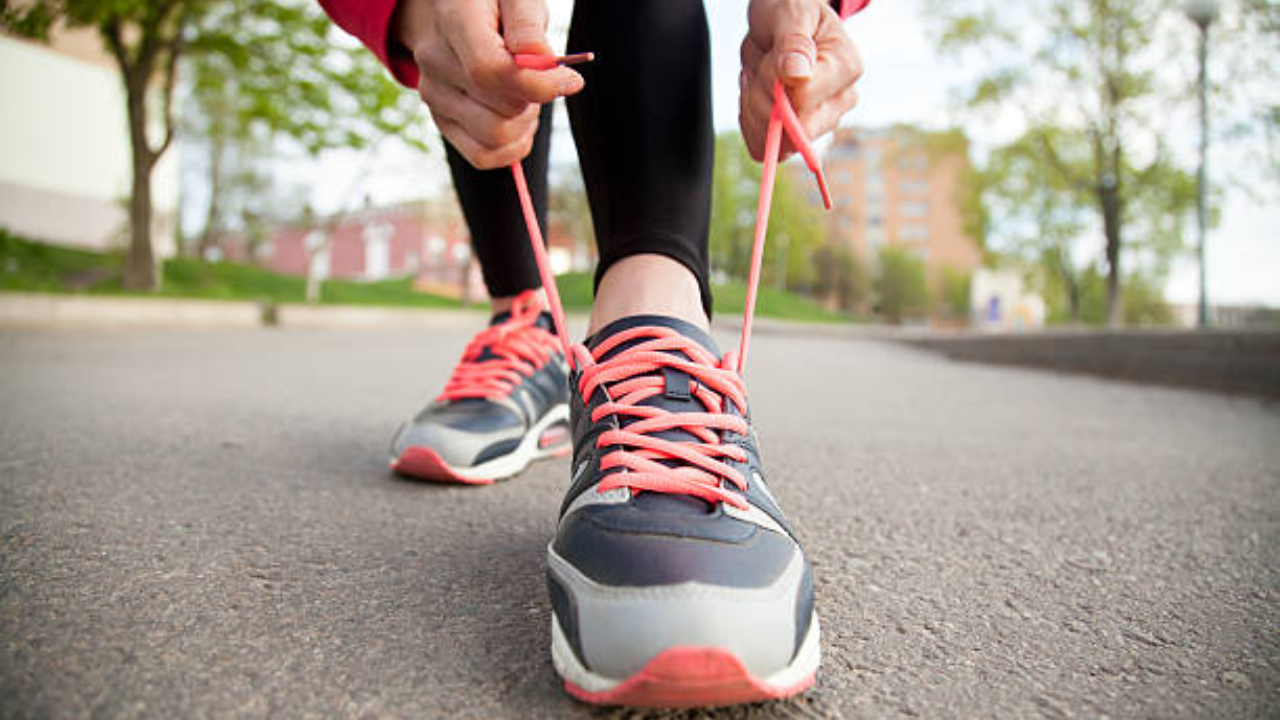
“It changes the equation,” says Dr. Vimal. “For pre-diabetes or early-stage Type 2, consistent walking can lead to remission, potentially eliminating the need for pills. For long-standing diabetes, it improves insulin sensitivity, often allowing us to de-escalate dosages. Think of walking as a “drug” that makes your prescribed medication work better,” he adds. The doctor recommends a 15-minute stroll after dinner and says it is the most effective way to lower your fasting sugar the next morning. However, he recommends against walking barefoot, especially for those having diabetes. “Diabetics often suffer from neuropathy (loss of sensation). A minor cut or stone injury while walking barefoot can go unnoticed and escalate into a severe infection or ulcer. Always protect your feet,” he advises.So if you walk regularly, most days of the week, at a pace that feels purposeful, things start to shift. Blood sugar stabilises. Blood pressure becomes easier to manage. Energy improves. Sleep gets better. And your body feels more cooperative instead of constantly fighting you.
Credit:timesofindia.indiatimes.com
Stay ahead with the latest updates!
Join The Podium Media on WhatsApp for real-time news alerts, breaking stories, and exclusive content delivered straight to your phone. Don’t miss a headline — subscribe now!
Chat with Us on WhatsApp