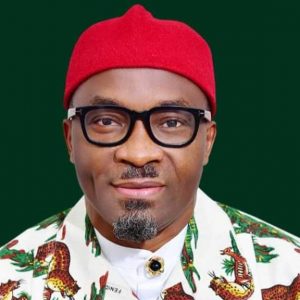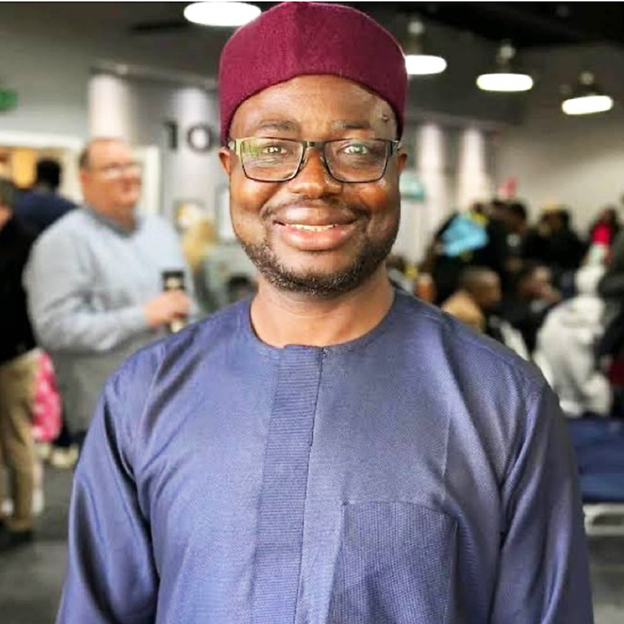
In a political climate often coloured by controversy, partisanship, and stormy ministerial screenings, one man’s composure and competence briefly united the Senate chambers in admiration last Thursday. Sunday Aborisade reports.
Dr. Bernard Mohammed Doro, a pharmacist, lawyer, business administrator, and humanitarian, appeared before the Senate for his ministerial screening, and within minutes, turned what could have been another routine confirmation exercise into a powerful statement on merit, humility, and vision.
It was not just a screening; it was a national introduction to a technocrat whose calm intellect resonated deeply with lawmakers from across party lines.

As the red chamber settled into the business of the day, Senate President GodswillAkpabio took a moment to address the significance of the moment. “Distinguished colleagues,” he began with his trademark confidence, “we are now set to screen the nominee of President Bola Tinubu for appointment as Minister of the Federal Republic of Nigeria. Here before us is Dr. Bernard Mohammed Doro. It’s not common for the Senate to wait for a nominee, but we had to do so in this case.”
There was a ripple of laughter across the hall as Akpabio lightened the tone. “Since this is your first ministerial nomination, I’m sure you’ll learn from this experience. I apologise on his behalf to my colleagues.”
Accompanying the nominee were high-profile figures including the National Chairman of the All Progressives Congress (APC), NentaweGoshweYilwatda, who Akpabio teasingly described as “on a mission to pick up the remaining crumbs from other political parties,” after receiving some defectors from the Labour Party at the House of Representatives earlier that day. Also present was the nominee’s wife, Naomi Buru Doro, and a handful of guests.
The atmosphere was cordial, even expectant, as Doro approached the podium. Calm, articulate, and visibly grounded, he began by tendering an apology for arriving late, setting the tone for an appearance defined by humility.
“Mr. President, distinguished senators,” he said. “First, I sincerely apologise for keeping the Senate waiting.”
He continued: “Over the last 20 years, I have had the privilege of serving in various capacities across healthcare, leadership, and management, both in Nigeria and the United Kingdom.”
Doro then outlined an academic and professional résumé that drew murmurs of approval. They included a career that straddled pharmacy, law, and business administration, and spanned multiple countries and sectors.
He said, “I hold degrees and certifications in pharmacy, law, and business administration, among others. I am an independent prescriber in the UK, and my career spans clinical practice, regional operations management, legal and regulatory compliance, and staff development.”
He spoke not as a politician rehearsing slogans, but as a professional recounting years of deliberate service and expertise.
According to him: “Beyond my professional background. I have been active in humanitarian work, youth mentorship, and social impact initiatives. I have led strategic medical and pharmaceutical programmes, ensuring compliance with global standards and regulatory frameworks.”
When Akpabio interjected, it was with the kind of respect reserved for those who clearly command their craft. “Dr. Doro,” he said, “we have reviewed your credentials and can see that you are not only qualified but perhaps overqualified. You’re a pharmacist, a lawyer, and a business administrator. With such a vast background, how will you apply this wealth of experience to national service if confirmed as Minister? What is your vision for the role?”
The nominee did not flinch. “Mr. President,” he replied, “I plan to support the Renewed Hope Agenda of President Bola Tinubu by drawing on my multidisciplinary experience to strengthen policy formulation and implementation. My goal is to ensure that government policies translate into tangible improvements in the lives of Nigerians.”
It was a measured, confident response that reflected a mind trained to think in systems and outcomes, not slogans.

Then came the turn of the Senators. From Borno North, Senator Mohammed Tahir Monguno rose, his question laced with urgency. “Mr. President,” he began, “this nominee comes highly recommended. Given the humanitarian crises across the country, particularly due to insecurity, if you are deployed to the Ministry of Humanitarian Affairs, what innovations would you introduce to effectively address these challenges?”
The chamber listened.
Deputy Senate President, BarauJibrin followed, speaking not as an interrogator but as a witness.
He said, “I’ve known the nominee for some time. He has worked selflessly for the APC and Nigeria without seeking recognition. I commend President Tinubu and the APC Chairman for identifying such a competent and patriotic Nigerian. He’s more than qualified; let’s not waste time.”

Senator Abdul Ningi from Bauchi Central offered a different angle, partly a challenge, and partly a counsel. He said, “Dr. Doro, Plateau and Bauchi are neighbours. Plateau once represented peace and unity in Nigeria. How do you intend to provide inclusive leadership that promotes peace in your home state?
“Also, as a lawyer, please take note of Section 88 of the 1999 Constitution, which empowers the National Assembly to conduct investigations and summon any public official. Many ministers forget this after confirmation. I urge you to always respect legislative oversight.”
It was a political reminder wrapped in a constitutional lecture, a subtle test of temperament. But Doro passed easily.
He replied with composure: “Thank you, distinguished Senators. The humanitarian challenges we face are indeed significant. If deployed to the Ministry of Humanitarian Affairs, I will prioritise transparency, efficiency, and the dignity of affected persons. I plan to build a humanitarian ecosystem that integrates technology to accurately target beneficiaries, reduce duplication, and strengthen inter-agency collaboration.”
His answer bridged both the moral and the managerial, a synthesis not often heard in public office screenings. Then he turned personal, drawing from his identity to address the question of peace.
He said, “On peacebuilding in the Plateau. I come from a multi-religious family. Both Christian and Muslim. I will use that background to promote inclusivity, tolerance, and unity among our people.”

That last line struck a chord. The Senate, often divided along party, religion and regional lines, nodded in visible approval.
For once, the conversation about competence rose above politics.
Senator Jimoh Ibrahim representing Ondo South spoke next and delivered what sounded almost like a eulogy of excellence.
He declared: “Mr. President, this is an impeccably clean candidate. Highly educated, with no security or integrity issues. He has answered excellently. Accompanied by our party chairman and his wife, he represents both merit and balance. I move that the nominee be asked to take a bow and go.”
The motion was swiftly seconded by Senator DiketPlang of Plateau Central who said, “Mr. President, I second the motion. The nominee is worthy both in character and competence.”
Senate President Akpabio smiled broadly. “The motion has been moved and seconded,” he said with satisfaction. “Those in favour that Dr. Bernard Mohammed Doro is fit and proper to serve as Minister and should take a bow and go, say ‘Aye.’”
Again, the chamber thundered: “Aye!” no “Nay”
Akpabio lifted the gavel. “The ayes have it. Congratulations, Dr. Doro. Please take a bow.”
As the nominee bowed and exited the floor, a sense of rare unanimity lingered in the air. Lawmakers across partisan divides had just endorsed a man not for his political clout, but for his evident competence.
In a system where ministerial nominations often draw criticism over patronage and tokenism, Doro’s screening offered a refreshing break. A case study in how expertise and character can still triumph in Nigeria’s politics of positioning.
Beyond the formalities, however, the moment symbolised something larger. It reflected a Senate that, even if briefly, recognised the importance of technocratic capacity in the national project. It also reflected a President’s willingness, at least in this instance, to look beyond the old political calculus and nominate a man defined not by controversy but by competence.
Doro’s performance at the screening was not theatrical; it was thoughtful. His emphasis on data-driven humanitarian interventions, digital targeting of beneficiaries, and transparent governance hinted at a reformist mind keen on redefining the public sector’s approach to human welfare. His multicultural identity and commitment to unity added a human touch to his technocratic profile. It is undoubtedly the blend Nigeria’s complex society desperately needs.
For a nominee who walked into the Senate chamber with modest public recognition, he left as one of the few names that commanded near-total bipartisan respect.
In the coming months, as Nigeria continues to wrestle with economic hardship, humanitarian challenges, and the politics of reform, Dr. Bernard Doro’s ministerial journey may yet prove a quiet but decisive test of whether competence can indeed make a comeback in public service.
For now, his calm answers, disciplined intellect, and humility at the Senate stand as a model, not only of how a nominee should face scrutiny, but of how governance might look if merit once again becomes the standard.
Stay ahead with the latest updates!
Join The Podium Media on WhatsApp for real-time news alerts, breaking stories, and exclusive content delivered straight to your phone. Don’t miss a headline — subscribe now!
Chat with Us on WhatsApp