


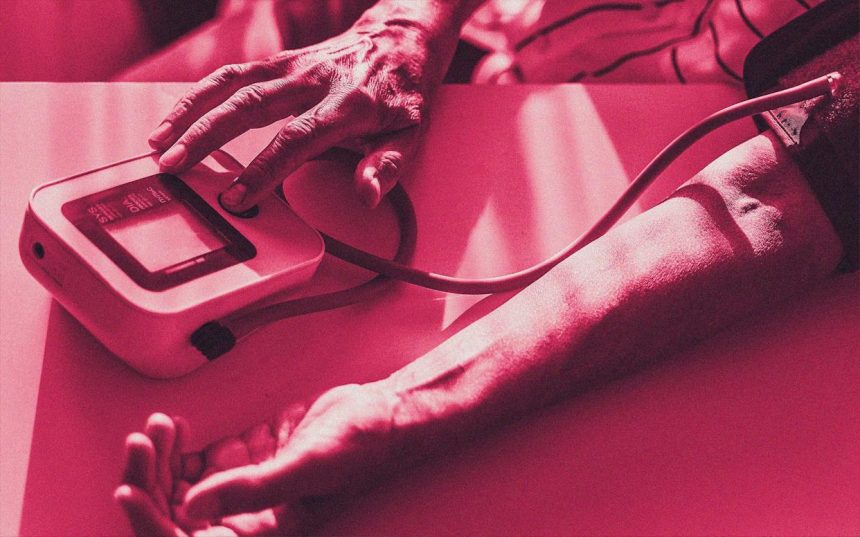
High blood pressure, or hypertension, affects 14 million people in Britain, five million of whom are unaware that they suffer from it.
Termed “the silent killer”, because it often shows no symptoms, it remains one of the biggest preventable causes of death in the country.
But while most of us have heard about its impact on the heart, the effect on the brain, vision and sexual function is less well known.

“Our blood vessels are pipes, carrying oxygen-rich blood to every organ,” says Dr Teresa Castiello, an NHS consultant cardiologist and founder of MIAL Healthcare. “High blood pressure puts extra strain on these vessels, causing them to become stiff, narrow, inflamed and less able to do their job.
“This disrupts the function of many vital organs, including the eyes, brain and sexual organs, and can cause long-term damage if left uncontrolled.”
The condition forces the heart to work harder, thickening its walls, weakening its ability to pump blood and increasing the likelihood of heart disease, but it is something we can control, says Dr Castiello.
Here are the ways high blood pressure hampers our eyes, brain and sex organs – and how to bring it down before serious damage is done.
The eyes

Changes to eyesight are often the first major red flag of high blood pressure.
“These patients may present with a reduction in vision, blurred vision and headaches as the first sign something’s wrong,” says Dr Farhan Shahid, a consultant interventional cardiologist at The Harborne Hospital.
High blood pressure can damage the small arteries in the eyes, making them thicker and less efficient. “It takes very little for these arteries to narrow, because they’re already so tiny,” says Dr Castiello.
This reduces blood flow to the retina, which is crucial for clear vision, and can lead to hypertensive retinopathy, causing blurred vision or even vision loss. It can also harm the optic nerve and cause fluid build-up under the retina, further distorting vision.
“If someone hasn’t had high blood pressure for long, it can be an acute symptom, but if they’ve ignored it for a long time, it can be a consequence that isn’t easily reversible,” says Dr Shahid.
Blood vessel damage in the eyes mirrors what may be happening in the heart, brain and kidneys, so intervention is vital.
“If your eyesight has been affected, it really is an emergency – you need to see a physician and get on top of that blood pressure very rapidly to prevent its progression and damage to other organs,” he says.
The brain

“Over time, high blood pressure can negatively impact the brain in a variety of ways,” says Dr Castiello.
Damage to the blood vessels increases the risk of blockages, cutting off oxygen supply and killing brain cells, which can lead to the most common type of stroke: ischaemic stroke.
High blood pressure is also the leading cause of less common but more serious haemorrhagic strokes. Damaged blood vessels can burst, causing bleeding in the brain. Sometimes, the damage isn’t apparent at first but can accumulate over long periods.
When blood vessels narrow, stiffen or even leak, it reduces blood flow and can lead to small areas of tissue damage, known as “silent strokes”.
Dr Castiello says: “These tiny, micro-strokes may not cause obvious symptoms at first but increase the risk of cognitive decline and vascular dementia, caused by impaired blood flow to the brain.”
Research has consistently linked high blood pressure in midlife and beyond to an increased risk of dementia, as well as memory problems, slower thinking and other cognitive difficulties in later life.
A recent Chinese study published in the journal Nature Medicine found that giving people help to tackle hypertension cut their risk of dementia by 15 per cent.
High blood pressure may also increase the risk of Alzheimer’s disease, since reduced blood flow and chronic stress on brain tissue can accelerate the build-up of harmful proteins. “The brain’s clearance mechanisms are impacted,” says Dr Castiello.
Sexual function

For men with chronic high blood pressure, erectile dysfunction is a common but rarely talked-about problem. “I think the prevalence is a lot higher than we’re aware,” says Dr Shahid. “Many patients are not comfortable discussing it.”
Just like other organs of the body, the penis relies on good blood flow to work properly, and when blood vessels become narrower or less responsive, it is more difficult to achieve or maintain an erection.
As in the case of our eyes, the blood vessels in the penis are smaller and may show problems earlier than those in the heart, meaning erectile dysfunction can be an early warning sign of cardiovascular disease.
Even less commonly discussed is the potential impact on women’s libidos, but it is thought that reduced blood flow to the vagina could also cause a loss of sex drive.
Some research has shown a link between hypertension and sexual dysfunction in women, including reduced desire and satisfaction.
Dr Shahid points out that factors contributing to hypertension, including excess weight, poor diet and low fitness levels, can also affect sexual function. “Being overweight and inactive can reduce circulation, disrupt hormone balance and lower energy levels, all of which feed into the problem,” he says.
“Patients in their 40s and 50s often mention it in consultations once they feel comfortable and are often relieved that it can usually be reversed with modifications to their diet and lifestyle.”
How to bring down your blood pressure quickly
1. Know your numbers
The NHS recommends that the over-40s check their blood pressure every year.
Ideally, everyone’s blood pressure should be less than 140/90mmHg. For those whose top “systolic” number – the pressure in your arteries when your heart beats – is consistently higher, with persistently high readings of 140/90mmHg or higher over several weeks, medication is needed to bring blood pressure under control.

The most commonly prescribed treatments include ACE inhibitors, angiotensin receptor blockers (ARBs), calcium channel blockers such as amlodipine and diuretics.
The choice depends on factors such as age, ethnicity and other health conditions. “Many people need a combination of medications to manage their blood pressure effectively,” says Dr Castiello.
For others, including those with mildly raised blood pressure, it is possible to lower your reading within a month with simple lifestyle changes. The proven ways are:
2. Slash your salt intake
We should be eating no more than 6g, or one level teaspoon, of salt per day, but most of us eat too much. Seventy-five per cent of our intake comes from processed foods such as ready meals, processed meats, takeaways and even bread and cereals.
We should get used to checking food labels, says Dr Shahid. “Looking closely at where you’re getting additional salt and cutting down will be really helpful.” The FoodSwitch app allows you to scan barcodes and suggests healthier alternatives.
For those who insist on adding salt to everything, Dr Castiello suggests swapping to a lower-sodium, potassium-enriched version. “Potassium helps the body excrete excess sodium and relaxes blood vessel walls,” she says.
3. Try a DASH diet
The DASH diet, short for Dietary Approaches to Stop Hypertension, focuses on foods which support healthy blood vessels, especially potassium, magnesium and calcium, while being low in salt, saturated fat and sugar.
“Fruit and vegetables; wholegrains; lean protein such as fish and beans; and good fats such as extra-virgin olive oil, nuts and seeds are what we should be eating – not processed food,” says Dr Castiello.
4. Eat fermented food
Like a growing number of scientists, Dr Castiello believes there is a strong link between the gut microbiome and blood pressure. “Balancing the bacteria in the gut supports blood vessel function,” she says.
Fermented foods such as kimchi, kefir, sauerkraut, live yogurt and miso are good for the gut and have also been found to cause significant reductions in blood pressure.
One recent study of more than 20,000 Americans found that those who ate more gut-friendly foods were 13 per cent less likely to have hypertension.
5. No more than one drink per night
Recent data, spanning several decades and including 20,000 people, suggest that blood pressure increases in line with alcohol consumption, starting from as little as one glass of wine per day.
According to the British Heart Foundation, regularly having more than four alcoholic drinks in a sitting can prevent receptors in the brain that help regulate blood pressure from working properly.
Dr Castiello recommends cutting it out entirely if possible. “It increases your blood pressure by volumes,” she says. “One glass of wine occasionally to be convivial is the most you should be drinking, and a reduction can make a significant difference quickly.”
6. Build strength without moving
Isometric training, in which you tense your muscles without moving your body, such as holding a plank or pushing your hands together as hard as you can for a couple of minutes at a time, has been found to reduce blood pressure 80 per cent more than aerobic exercise.
This is because holding muscles under tension while keeping the heart rate stable – as opposed to increasing it during cardio – improves blood vessel function. It also calms the nervous system, helping the heart work more efficiently at rest.
A 2023 study by Canterbury Christ Church University, which analysed data from more than 200 trials, concluded that isometric training lowered systolic pressure by 83 per cent more than cardio and diastolic by 58 per cent more.
Doing a handgrip test, which involves squeezing a dynamometer – a tool which measures grip and costs less than £10 – for two minutes at a time, every day, twice per hand, should give quick results. Alternatively, you could perform four two-minute wall sits – where you lean against a wall and hold a seated position with knees bent – three times per week.
Source: The Telegraph
Stay ahead with the latest updates!
Join The Podium Media on WhatsApp for real-time news alerts, breaking stories, and exclusive content delivered straight to your phone. Don’t miss a headline — subscribe now!
Chat with Us on WhatsApp