

The Federal Airports Authority of Nigeria (FAAN) says the implementation of its tariff adjustment will begin from February 2, 2026.
The decision reportedly follows the stabilisation of the agency’s operational processes and the closure of major revenue leakages.
On June 23, 2025, the agency announced a tariff review, citing losses caused by outdated charges.

In a report shared with TheCable on Thursday, the authority said the tariff increase, which was initially scheduled for 2025, “was deliberately deferred to allow the authority address systemic inefficiencies”.
Commenting on the development, a senior FAAN official quoted in the report said implementing the adjustment earlier would not have delivered meaningful revenue gains, as a significant portion of earnings would still have been lost through operational gaps.
“With the operational corrections now firmly in place, the Authority is confident that the tariff adjustment will translate directly into improved revenue performance,” the official said.
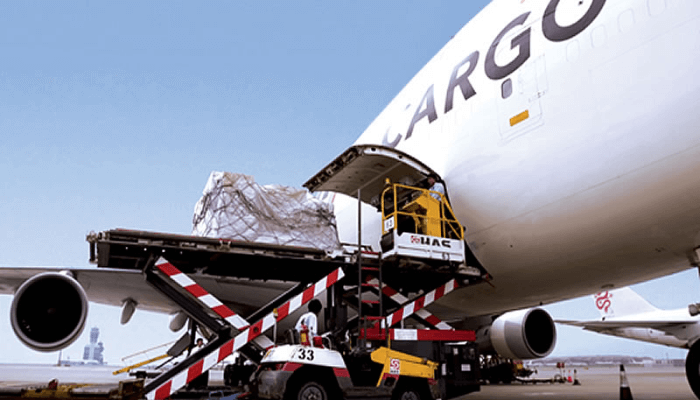
TheCable understands that the tariff increase will apply to cargo operations.
Specifically, a source said the tariff is on port charges, air cargo (at the level of import and export), transshipments, and cargo vehicles surcharge.
This means the port charge will increase from the current N7 to N20 per kg, the air cargo fee will move from N5 to N15 per kg, and the transhipment, courier and perishable goods fee will adjust upwardly from N20 to N40.
Although this will be the first cargo tariff increase in 20 years, the policy could raise trade costs, as importers and exporters will likely spend more on cargo services.
“It’s not a general tariff. This one is just on cargo,” the insider said.
“It has not been reviewed since 2006. So the term value for money has been eroded.”
Justifying the upward adjustment, the source said customs has increased cargo tariff “more than 15 times”, while ground handlers and agents have raised tariffs “more than 20 times and 10 times”, respectively.
“This FAAN charge has not been increased since 2006, and FAAN is the one creating the enabling environment for them to come and do this business,” he said.
“Runway maintenance, tarmac, apron maintenance, security in the terminal, lightning, access road, water… everything, for these agents to come and do business there. But that tariff has not been increased for the past 19 years.”
He added that the International Air Transport Association (IATA) was consulted and supported the adjustment, noting that various trade associations and other stakeholders were also engaged.
In February 2025, the Nigerian Ports Authority (NPA) increased its tariffs by 15 percent.
The decision, which marked the first tariff adjustment since 1993, was meant to enhance the performance of Nigerian ports.
Similarly, the customs had announced plans to implement a 4 percent charge on the free on board (FOB) value of imports.

The agency later suspended the implementation plan to allow for comprehensive stakeholder engagement and consultations regarding the implementation framework.
However, in September 2025, the federal government suspended the FOB charge.
FAAN RECORDED IMPROVEMENTS IN CARGO OPERATIONAL EFFICIENCY
Beyond the tariff hike, the FAAN also reported notable improvements in cargo operational efficiency and revenue performance following strategic reforms introduced by its cargo development and services directorate.
An operational report released by the authority shows that adjustments to legacy processes “are already yielding measurable results, with improved revenue assurance across major cargo terminals”.
One of the key reforms highlighted in the report is the relocation of FAAN operational staff and revenue-collection desks back into cargo warehouses.
The authority said this, combined with enhanced monitoring of unaccompanied luggage, has effectively blocked major revenue leakages that previously plagued cargo operations.

According to the report, the impact of the reforms is evident at the Nigerian Aviation Handling Company (NAHCO) Plc and Skyway Aviation Handling Company (SAHCO) cargo warehouses.
Despite a decline in cargo throughput in 2025 compared to 2024, FAAN said it recorded higher revenue and significantly improved collection efficiency over the same period — a development the authority said demonstrates the effectiveness of the reforms.
Reporting By Desmond Okon and Aderonke Oni.
Stay ahead with the latest updates!
Join The Podium Media on WhatsApp for real-time news alerts, breaking stories, and exclusive content delivered straight to your phone. Don’t miss a headline — subscribe now!
Chat with Us on WhatsApp