
A strategic reflection emerging from a working session with Nigeria’s Minister of Art, Culture, Tourism, and the Creative Economy and why Nigeria must place its creative diplomacy at the centre of the 2026 Nigeria Belgium Luxembourg Business Forum in Brussels.
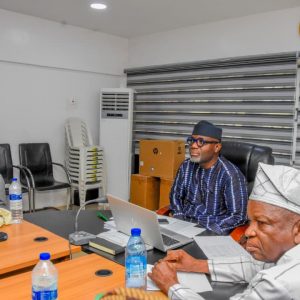
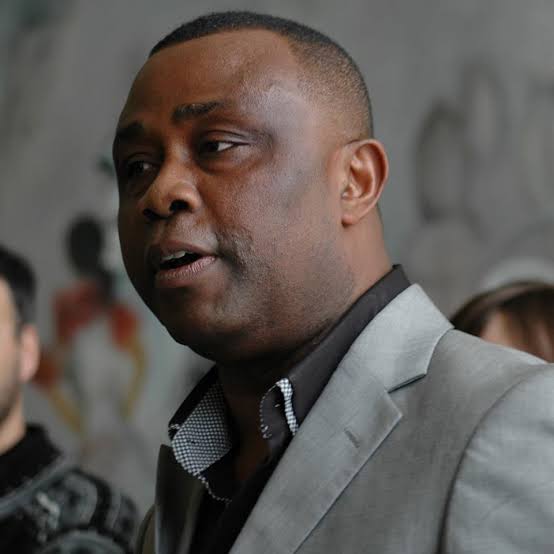
During a recent working mission to Abuja and Lagos, Thomas and I had numerous feedback sessions. One conversation rose above the many briefings and stakeholder exchanges: a compelling dialogue with Nigeria’s Minister of Art, Culture, Tourism, and the Creative Economy, Hannatu Musa Musawa. That encounter with him as Commercial Director of CBL-ACP of CBL-ACP Chamber of Commerce, underscored a truth reshaping global diplomacy today. National influence is no longer driven solely by trade volumes or political alliances. It is increasingly defined by identity, storytelling, and the cultural capital a nation projects. The Minister was assertive that for Nigeria, whose creative industries already command global attention, this reality presents a profound strategic opportunity.
As preparations intensify for the 2026 Nigeria Belgium Luxembourg Business Forum (NBLBF) in Brussels, the message is clear: Nigeria’s creative economy should not arrive as a supporting act. It should headline the conversation. The forum’s evolution from traditional sectors such as infrastructure and agriculture toward culture and tourism aligns perfectly with Nigeria’s strengths and with the Minister’s vision of culture as an active instrument of economic diplomacy rather than a symbolic one. As I argued in my earlier analysis, culture itself is currency in soft power and economic diplomacy, a currency that converts influence into jobs, exports, and lasting partnerships.

Culture as a Strategic Asset in Global Influence
Nigeria’s cultural exports, including Afrobeats, Nollywood, fashion, festivals, have become defining features of its global presence. They are not just expressions of identity; they are measurable engines of economic value. They open markets, draw tourism, build partnerships, and shape how the world imagines and engages with the country.
This is soft power in its most productive form: culture acting as currency. When deployed intentionally, it converts visibility into opportunity and connection into commerce. For Belgium and Luxembourg; nations with rich cultural traditions and thriving creative ecosystems; Nigeria’s dynamism offers fertile ground for co creation: from film co productions and design exchanges to festival circuits and heritage showcases.
Tourism and Creative Industries: A Shared Horizon
Nigeria’s Destination 2030 — Nigeria Everywhere initiative envisions the country as a global hub for art, culture, tourism, and the creative economy. Federal policy is already shifting to support this ambition, recognizing these sectors as engines of both economic growth and diplomatic reach.
The 2026 Business Forum presents a timely platform to:
- Showcase Nigeria’s cultural and tourism investment agenda
- Launch structured tourism and cultural partnerships with Belgian and Luxembourg counterparts
- Forge co investment pathways linking Nigerian creative talent with European markets
- Expand experiential tourism offerings connecting European travellers to Nigeria’s diverse cultural landscapes
Positioning the creative economy at the centre of the Forum signals that Nigeria is serious about narrative-driven diplomacy, xxdiplomacy that resonates with investors as much as it does with communities.
A New Model of Economic Diplomacy
Historically, the NBLBF has been a bridge between Nigeria and the Belux region, enabling investment flows and focused dialogue. Today, global economic diplomacy demands more than technical agreements and sector-driven negotiation. It requires trust, shared narratives, and cultural understanding. For good reasons, these are the very foundations of lasting partnerships.
Belgium has long understood this. This is why cultural diplomacy is woven into its international engagement. The 2026 Forum offers a chance to build a new model of partnership rooted in authenticity, connectivity, and inclusive growth.
Strategic Benefits for All Sides
For Nigeria
- Access to new European tourism markets
- Expanded creative sector investment
- Stronger global perception as a destination for leisure, innovation, and cultural excellence
For Belgium and Luxembourg
- Opportunities to co develop cultural content and festivals with world renowned Nigerian creatives
- Enriched tourism circuits featuring West African art and heritage
- New trade and investment frameworks in high growth creative sectors
For All Partners
A shared platform in Brussels that deepens economic ties through cultural connection; merging commerce with community and influence with inclusion.
A Call to Action
The upcoming Forum is more than a calendar fixture. It is a test of imagination and strategic boldness. With informal invitations circulating and preliminary conversations underway, the next step is decisive: Nigeria’s Ministry of Art, Culture, Tourism, and the Creative Economy should lead a strong delegation to Brussels. Culture, heritage, and creativity must sit not on the margins of dialogue, but at the centre of it.

The world is watching Nigeria’s creative rise. At the crossroads of art and commerce lies a powerful diplomatic strategy, one capable of delivering economic growth, global recognition, and shared prosperity. Let 2026 be the moment Nigeria converts cultural resonance into economic advantage for the benefit of all.
The author, Collins Nweke is Senior International Trade Consultant and author of the forthcoming book, Economic Diplomacy of the Diaspora. admin@collinsnweke.eu | www.collinsnweke.eu
Stay ahead with the latest updates!
Join The Podium Media on WhatsApp for real-time news alerts, breaking stories, and exclusive content delivered straight to your phone. Don’t miss a headline — subscribe now!
Chat with Us on WhatsApp