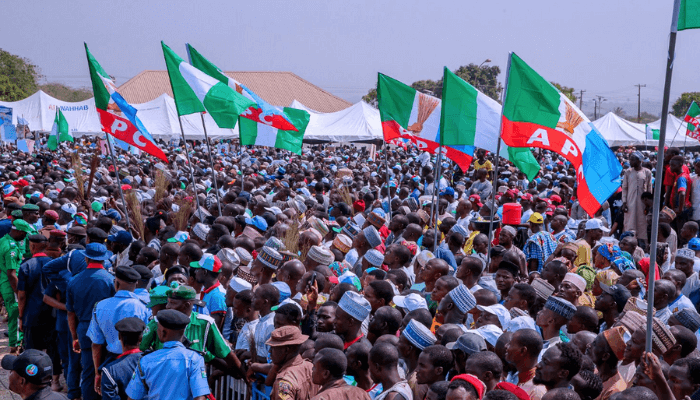
On different occasions, the ruling All Progressives Congress (APC) has insisted it is not turning Nigeria into a one-party state.
Yet, the political trajectory says otherwise.
Over the past year, an aggressive wave of defections has swept through the political landscape, drawing opposition governors, lawmakers, and political heavyweights into the ruling party.

Political observers caution that the surge of defections could signal a turning point for Nigeria’s democracy and the decline of opposition parties’ influence.
THE DEFECTIONS — AND THE SILENT PRESSURE
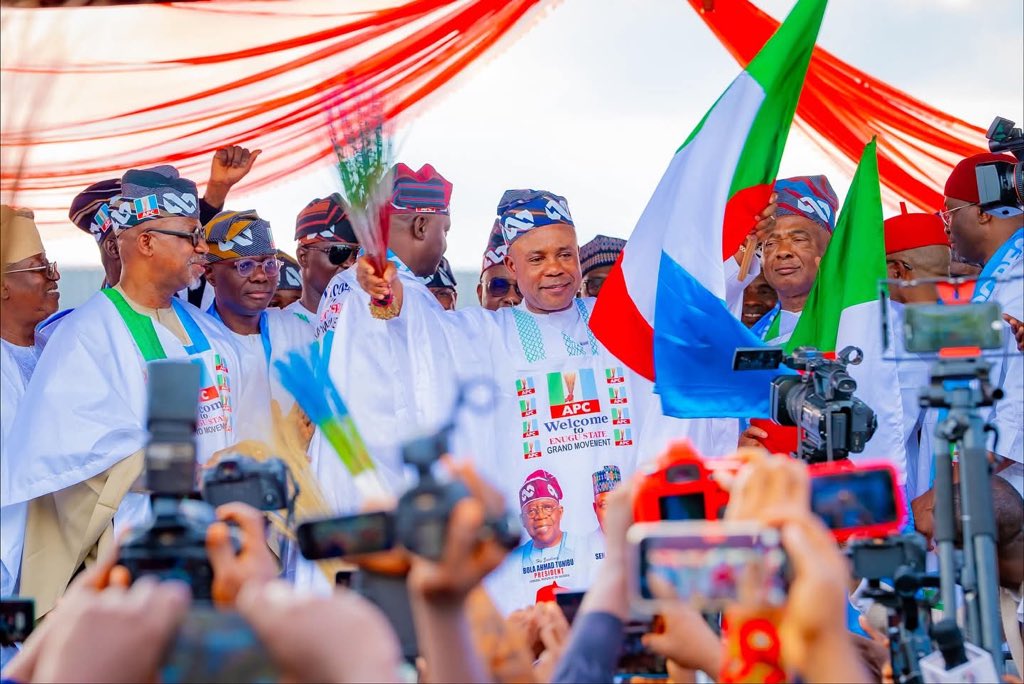
Across several states, governors elected on opposition platforms, notably the Peoples Democratic Party (PDP), are crossing into the APC.
Some cite “alignment with the centre”, others claim “national interest”, but critics argue the moves are fuelled by access to federal power and protection from political battles at home.
Deji Adeyanju, activist and human rights lawyer, said the failure of the opposition to strengthen itself has enabled the pattern.
“The people I blame the most are the opposition,” he told TheCable.
”The opposition has had more than two years to put its house in order. Why is it taking so long? How can all the governors be defecting to the ruling party?
“Almost all the governors in the south-east have defected to the ruling party. A zone where one would have thought, after the outcome of the 2023 election, nobody would dare try such.”
Adeyanju said the defections show a weakening of democratic competition.
“It’s a natural threat to our democracy because a situation where one party is predominant in any democracy is actually a threat to a constitutional democracy because the stronger and more vocal the opposition is, the stronger our democracy will be,” he said.
WHAT THIS MEANS FOR DEMOCRACY
Analysts warn that shrinking opposition space could erode democratic accountability.
Austin Okai, African Democratic Congress (ADC) chieftain and house of representatives candidate in 2023, described the trend as “a dangerous sign”.

“Democracy is about the opinions of various people coming together. Any party that is in power still needs an opposing view,” he said.
Okai argued that the rush toward the APC reflects insecurity about performance.
“If a government is performing, why are you jumping to another party? What for?” he queried.
“Most of those jumping is because they are not sure, because if there is a free and fair election, their own performance can’t guarantee a second term for them.”

“Everybody is running to the shadows of the umbrella of the presidency. And that is why the power of the president has to be reduced. The presidency is too powerful.”
PDP: FROM DOMINANCE TO DECLINE
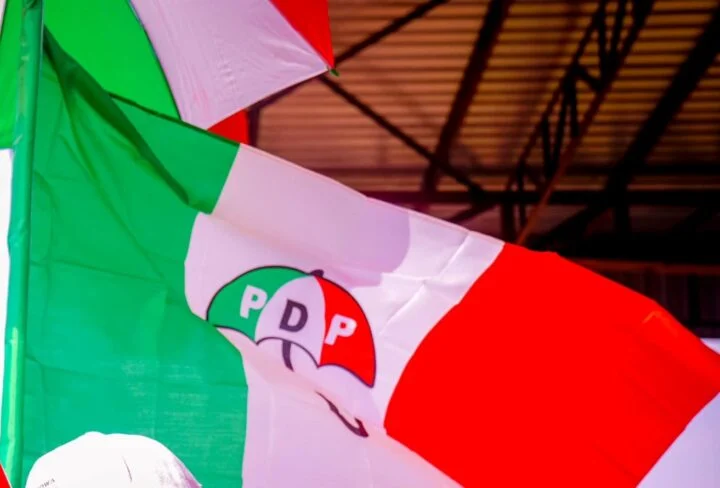
At the height of its power, the PDP controlled more than 25 states and held a comfortable majority in the national assembly.
Under President Olusegun Obasanjo, the party towered over the political landscape. President Umaru Musa Yar’Adua maintained the dominance, while President Goodluck Jonathan inherited a formidable structure until the dramatic split that produced the G-5 governors in 2013.
Their exit marked the beginning of the PDP’s downward slide and set the stage for the APC’s victory in 2015.
Peter Ameh, a former national chairman of the Inter-Party Advisory Council (IPAC), said the current wave of defections is the worst the country has seen.

“It has never been this bad; it’s clear that the compromised APC leadership have seen defection as the only way to swell their ranks instead of developing the country and offering viable solutions that could have bettered the lives of the people,” he said.
Ameh warned that the trend undermines constitutional democracy.
“It is not good for our multi-party democracy. It is not good for the development of our country. Because if opposition is not there to be able to set the decisions of the state right, it will lead to a monopoly,” he added.
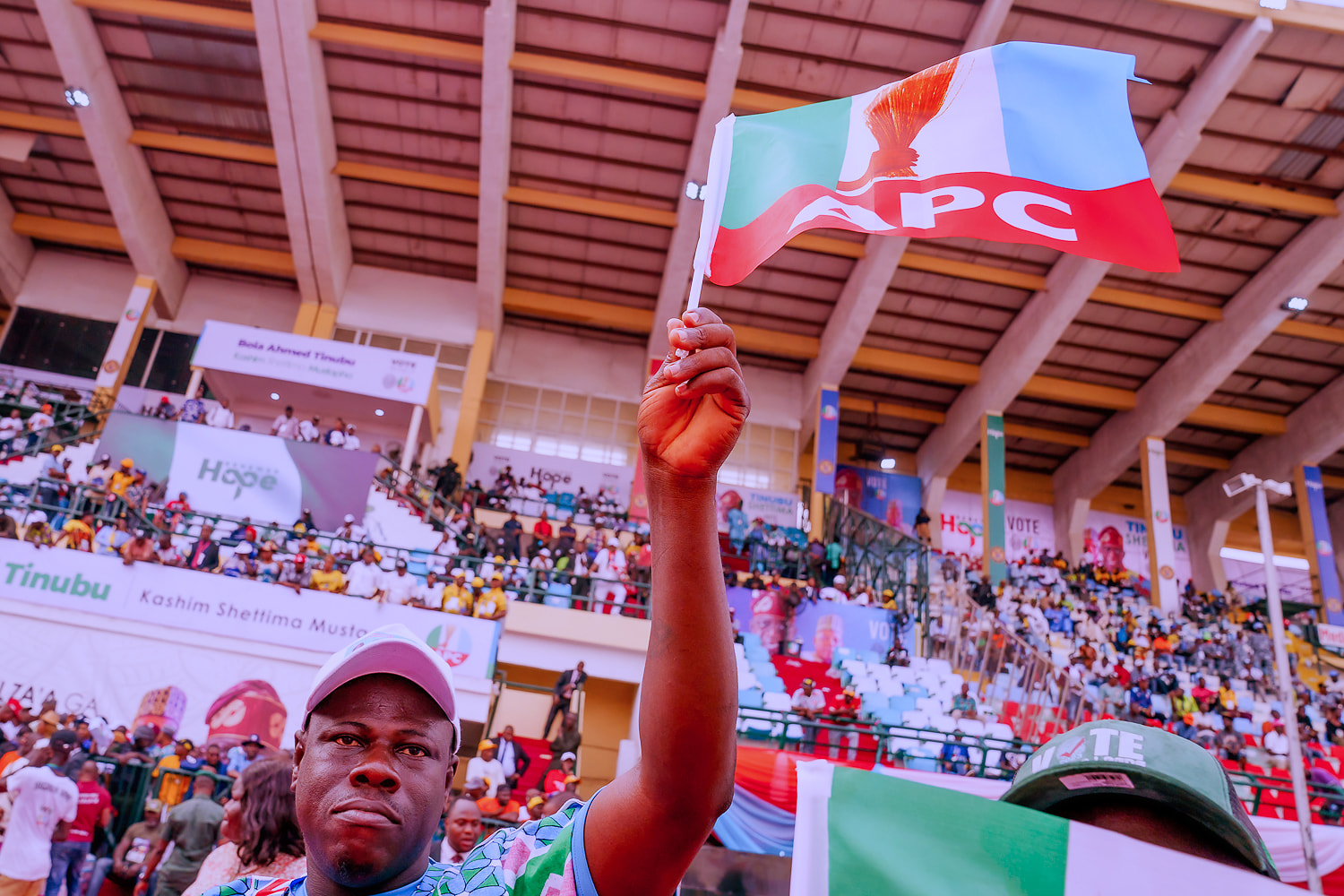
Since 2015, the PDP has steadily lost its heavyweights.
Under Buhari, several former PDP titans crossed to the APC. Under Tinubu, the centre of political gravity has shifted even further.
Governors who have defected from the PDP include Agbu Kefas of Taraba, Umo Eno of Akwa Ibom, Sheriff Oborevwori of Delta, Peter Mbah of Enugu, and Douye Diri of Bayelsa.
DEFECTING GOVERNORS — A RECURRING PATTERN
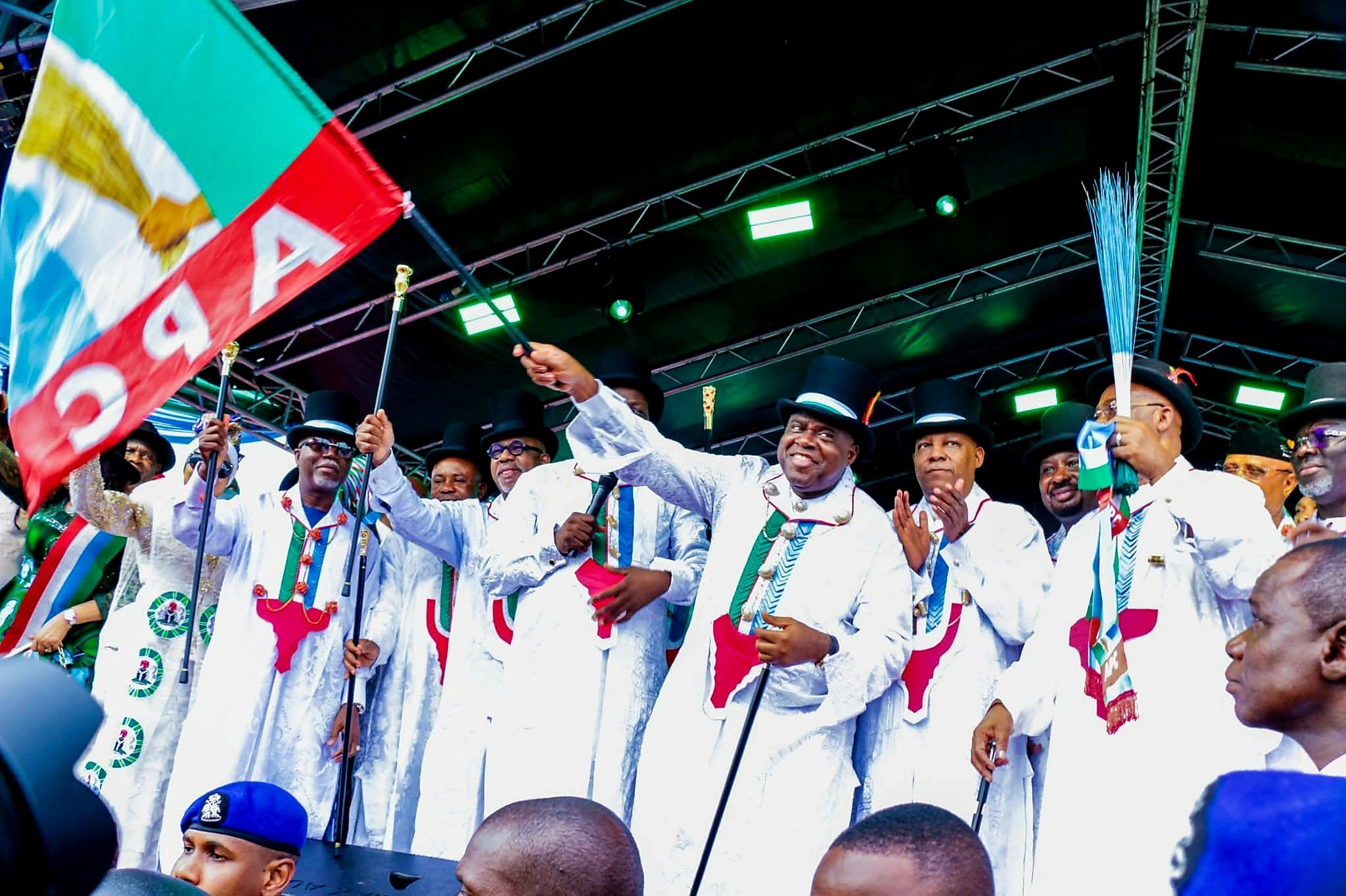
The current wave of defections echoes the G-5 era but with a crucial difference: governors are now defecting towards the ruling party, not away from it.
Adeyanju pointed to this reversal.
“By this time in 2013-14, almost everybody had defected from the ruling party to the opposition,” he said.
“Critical stakeholders, five PDP governors defected, leaving the ruling party.”
ARE WE SLIPPING TOWARDS ONE-PARTY DOMINANCE?
Civil society organisations warn that the trend risks pushing Nigeria toward de facto one-party rule.
Ezenwa Nwagwu, public accountability advocate and executive director of Peering Advocacy and Advancement Centre in Africa (PAACA), said the problem lies in Nigeria’s weak party ideology.
“It’s the nature of our party system. There is no difference. When you say defection, what are they defecting from? It’s not rooted in any ideology,” he said.
Nwagwu argued that defections are driven by patronage, not principle.
“It’s about power. They are moving from one faction to another. You can be a black beret, or a green beret, or a red beret or a brown beret. But all of you are wearing berets,” he said.
“Opposition has to be ideological. It’s not a personality contest.”
THE IMPLICATIONS FOR 2027 AND BEYOND
If defections continue at the current pace, the APC may contest the 2027 elections with minimal opposition.
Adeyanju warned that governors defending the presidency are eroding the opposition’s role.
“Seyi Makinde and Alex Otti are not acting like opposition governors; in fact, both of them have aggressively defended the bad economic policies of the president, policies that are not working,” he said.
Analysts fear that a weak opposition will limit scrutiny, embolden impunity, and shrink civic engagement.
As defections continue, Nigeria faces a fundamental question:
Can a democracy thrive when the electoral battlefield is increasingly dominated by one party?
The answer — and the direction of the Fourth Republic — may depend on whether opposition parties can rebuild themselves before the 2027 general election.
Stay ahead with the latest updates!
Join The Podium Media on WhatsApp for real-time news alerts, breaking stories, and exclusive content delivered straight to your phone. Don’t miss a headline — subscribe now!
Chat with Us on WhatsApp