




What you need to know:
Just hours before the groundbreaking of the Dangote East Africa Refinery, the Sh2 trillion project in Lamu nearly ground to a halt after 133 residents filed a case at the Environment and Land Court in Malindi seeking orders to stop its implementation.
The court, however, declined to certify the case as urgent and directed the residents to serve the court papers on the respondents, including government agencies and the Office of the President.

Lamu locals turn NLC forum into Dangote refinery land rights arena
Locals describe being systematically turned into squatters on their ancestral lands.
Court orders urgent hearing of case seeking Dangote refinery deal disclosure
Justice Mburu orders State and other parties to respond within seven days.
The Sh2trn Dangote refinery and the 12,000-acre land question
Residents file case, saying the land set aside for the project is ancestral and that they were not consulted.
Dangote’s Sh2 trillion refinery bet
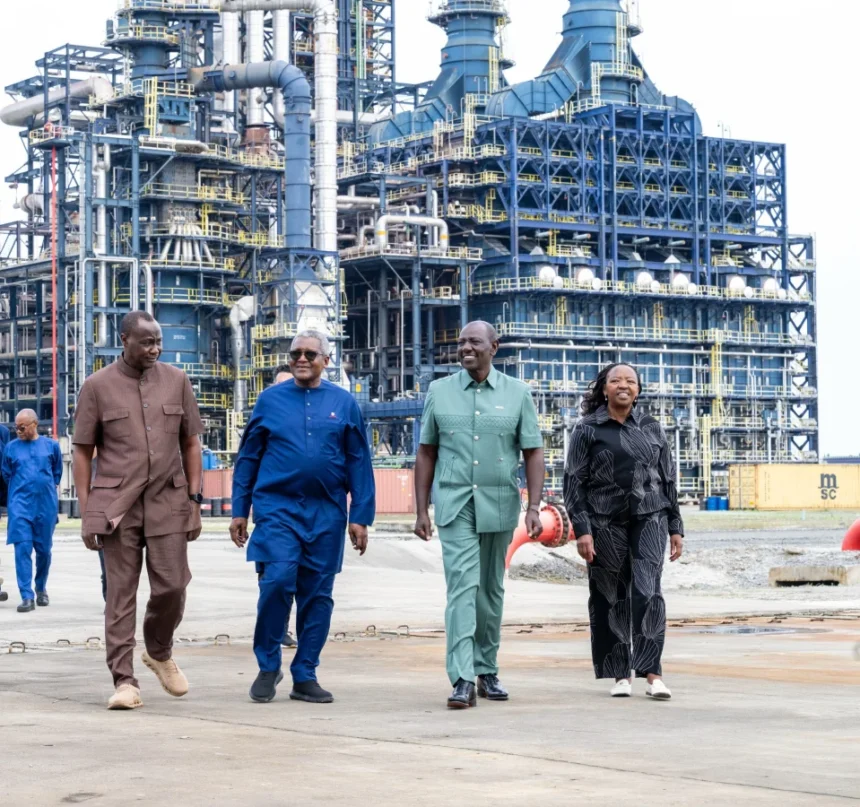
Sh2 trillion Dangote oil plant set to reshape East Africa’s energy sector.
How Sh2tr refinery promise is reshaping Lamu
Dangote Refinery is expected to attract investment and international attention to Lamu.
The dispute comes just days before the planned groundbreaking of what is expected to become one of East Africa’s biggest energy projects.
The case was brought by Salim Tima Swale and 132 other residents of Chandavai in Lamu County, who are challenging the use of the disputed land for the proposed refinery.
The Malindi Environment and Land Court ordered parties to maintain the existing status quo on the contested property while the legal dispute is considered. The matter is scheduled to return to court on October 14, 2026.
The residents argue that the land earmarked for the refinery is ancestral land on which members of the community have lived and carried out farming and other activities for generations.
According to reports on the court case, the residents say the disputed area contains homes, farms, mosques, shrines and family graves.
They are challenging the project on several grounds, including alleged failure to properly consult affected residents, compensate people whose property could be affected and provide adequate plans for resettlement.
The residents also raised environmental concerns and argued that the necessary environmental assessment processes had not been properly completed before activities connected to the project began.
The legal challenge has created uncertainty around activities at the refinery site, but it has not stopped Dangote from pushing ahead with the planned launch.
Dangote Group said on Tuesday that the court ruling would not prevent the planned groundbreaking ceremony, although it acknowledged that the order could affect some activities at the site.

The groundbreaking is scheduled for September 30, with Kenyan President William Ruto expected to attend alongside Dangote.
Kenyan officials have also indicated that the ceremony will proceed despite the court dispute.
The proposed refinery is planned for Lamu County, on Kenya’s coast, and is expected to have a refining capacity of 700,000 barrels of crude oil per day.
That would make the planned facility slightly larger in capacity than Dangote’s existing refinery in Lagos, which has a capacity of about 650,000 barrels per day.

The Kenyan project is expected to supply refined petroleum products to Kenya and other markets in East Africa, potentially reducing the region’s reliance on imported refined fuel. Reuters has reported that Dangote sees the project as a major expansion of its refining business beyond Nigeria.
The project has been valued at around $16 billion, with Kenyan reports putting the investment at roughly 2 trillion Kenyan shillings.
For Dangote, the project represents a major step outside Nigeria after the construction of his giant refinery in Lagos.
But the Lamu project also faces challenges beyond the current land dispute. Reuters has previously reported questions surrounding issues including crude-oil supply, financing and infrastructure, given the enormous volume of crude the proposed refinery would require.
For the residents challenging the project, however, the immediate issue is land.
They want the court to address their claims over the disputed property before development proceeds, arguing that a project of such scale should not come at the expense of residents whose homes, livelihoods and ancestral connections to the land could be affected.

The court’s latest order therefore places a temporary legal constraint on activities concerning the disputed land, while Dangote maintains that the broader project and its planned groundbreaking remain on track.
The next major development in the dispute is expected when the matter returns to court on October 14.
Stay ahead with the latest updates!
Join The Podium Media on WhatsApp for real-time news alerts, breaking stories, and exclusive content delivered straight to your phone. Don’t miss a headline — subscribe now!
Chat with Us on WhatsApp