


Key Takeaways
- Pulses like beans, lentils, and chickpeas are high in soluble fiber and potassium, which can help lower cholesterol and blood pressure.
- Whole grains, such as whole-grain bread, provide fiber that supports heart health and helps reduce cholesterol and blood pressure.
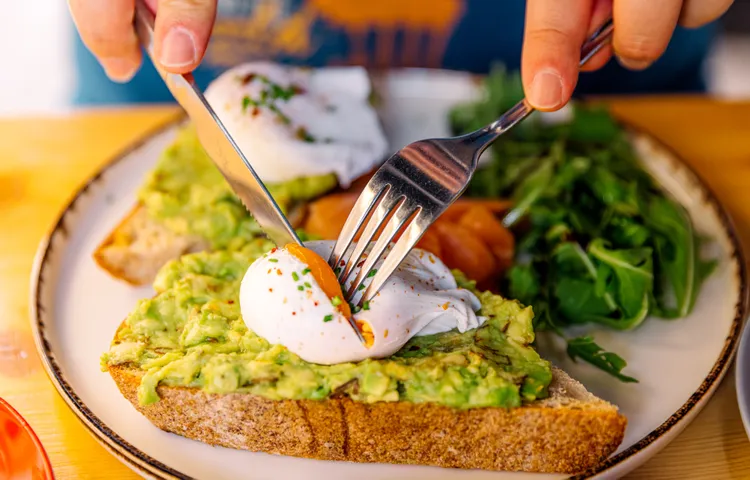
- Avocados contain monounsaturated fats, fiber, and plant sterols, which can lower LDL cholesterol and support heart health.
Eggs are a versatile source of protein, and what you serve alongside them can make a meal even more heart-healthy. The best foods to pair with eggs to improve blood pressure and cholesterol levels provide fiber, potassium, healthy fats, and beneficial plant compounds.
1. Pulses
:max_bytes(150000):strip_icc():format(webp)/VWH-GettyImages-2234053144-fc99bcc6537f41f09b23448fe6a5a2d0.jpg)
Pulses include beans, lentils, chickpeas, and peas. Consuming roughly 150 grams of pulses daily—about three-quarters of a cup—may improve blood pressure and reduce cholesterol.
Pulses are high in soluble fiber, which binds cholesterol and bile acids in the digestive tract, reducing their absorption and increasing their removal from the body, leading to lower circulating levels. Additionally, pulses contain resistant starch, a type of fiber that gut bacteria ferment to produce short-chain fatty acids (SCFAs), which may alter cholesterol production in the liver.1

For blood pressure, pulses are high in potassium and low in sodium. Potassium increases sodium excretion and helps blood vessels relax, which can help lower blood pressure. Other compounds in pulses, such as magnesium, fiber, and antioxidants, may provide additional heart-health benefits by supporting blood sugar regulation, promoting satiety, and supporting weight management.1
Enjoy pulses mixed into egg dishes, or pair your eggs with a dense bean salad. Canned beans offer the same nutritional benefits as dried beans, but watch the sodium. Choose low-sodium canned beans, or drain and rinse them to remove excess sodium.
Rinsing beans also removes excess starches, which may contribute to digestive discomfort. If you’re new to pulses, start with a small portion then gradually increase.
2. Whole Grain Toast
:max_bytes(150000):strip_icc():format(webp)/VWH-GettyImages-1182145865-89d5f790ef794f6787a4eb1e9503c0f0.jpg)
Whole grains retain the grain’s outer layers, providing extra nutrients and more fiber. Whole grains comprise part of a heart-healthy diet. One large analysis found that consuming 80 grams per day of whole grain—roughly the equivalent of 2-3 slices of bread—lowers total cholesterol, low-density lipoprotein (LDL) cholesterol, and triglycerides.2
Research suggests that a high-fiber diet helps lower blood pressure, with each 5-gram increase above general recommendations—28 grams for females and 38 for males—leading to reductions of 2.8 millimeters of mercury (mmHg) in systolic blood pressure and 2.1 mmHg in diastolic blood pressure.3
Look for “whole” as the first word on the bread’s ingredient list. Just because bread is wheat or multigrain doesn’t necessarily mean it’s whole grain. Use whole-grain toast for egg sandwiches or enjoy it on the side with your egg dish.
3. Avocado
:max_bytes(150000):strip_icc():format(webp)/GettyImages-854389416-9098beb6f14045b1923ada6b9d8297df.jpg)
Despite their high fat content, regular avocado consumption is associated with lower LDL and total cholesterol levels. Avocado supports better cholesterol through multiple mechanisms.
Replacing saturated fat or refined carbohydrates with monounsaturated fat in avocados can help lower LDL cholesterol while preserving high-density lipoprotein (HDL) cholesterol.4
Avocados are also packed with fiber, delivering 13.5 grams per fruit.5 Soluble fiber reduces cholesterol absorption and increases the removal of cholesterol-containing bile acids, lowering circulating levels. Avocados also contain plant sterols, compounds structurally similar to cholesterol, so they compete with cholesterol for absorption.4
Mix avocado into omelets, mash it into egg salad, or serve it on the side with whole-grain toast for a balanced egg meal.
4. Berries
:max_bytes(150000):strip_icc():format(webp)/VWH-GettyImages-501736431-80961750ff904ed6ad38af2b1b6d0458.jpg)
Including berries in a heart-healthy diet may modestly improve blood pressure and cholesterol.
Berries are packed with beneficial plant compounds, like polyphenols and anthocyanins, which may improve blood-vessel function and nitric oxide availability, helping blood vessels to relax and supporting healthier blood pressure.
These compounds may also promote cholesterol removal from cells, protect LDL cholesterol from becoming oxidized, and influence cholesterol transport. Fiber in berries also contributes to the fruit’s cholesterol-lowering properties. Their high potassium and low sodium content provide additional advantages for blood pressure management.67

Add a side of berries to your egg dishes, or muddle a handful into water for another way to enjoy these nutritious fruits.
5. Potatoes
:max_bytes(150000):strip_icc():format(webp)/VWH-GettyImages-2022469919-2c29a0bd63944ce0a92517ae2ad2326b.jpg)
Potatoes may not be the first food that comes to mind when it comes to supporting blood pressure and cholesterol. However, these starchy vegetables contain fiber and potassium, which help support blood pressure.
Research suggests that potatoes may have a neutral effect on cholesterol and blood pressure. However, the preparation method matters. Regularly eating fried potatoes is associated with higher blood pressure, potentially because they are often higher in sodium. Diets high in sodium contribute to elevated blood pressure.8
Enjoy roasted or shredded potatoes, but be mindful of the preparation method and sodium content. Leave the skin on the potatoes for extra fiber and nutrients.
Source: www.verywellhealth.com
Stay ahead with the latest updates!
Join The Podium Media on WhatsApp for real-time news alerts, breaking stories, and exclusive content delivered straight to your phone. Don’t miss a headline — subscribe now!
Chat with Us on WhatsApp