


There is no nation that is not dealing with issues. It is not only Nigeria that is grappling with challenges pertaining to governance. This is Africa, and I dare say that, as bad as anyone might think things are, despite our obvious shortcomings, we are still one of the better nations to live, work and do business in Africa.
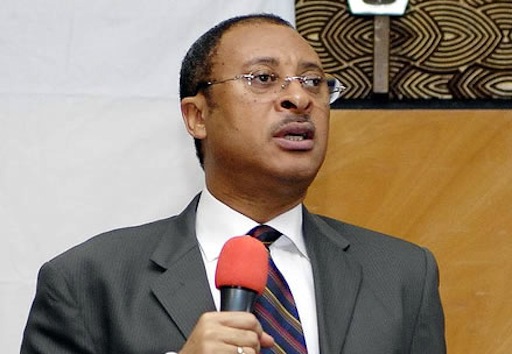
What is most baffling to me is what I have observed over the past three days while following Prof. Pat Utomi’s Facebook posts. He has continuously dropped posts, rarely more than two or three paragraphs on each occasion, talking about all that is wrong with Nigeria and drawing up faulty comparisons between now and the 1960s, 70s, 80s, 90s, etc.
The question I have for him is this: if his generation had done well for Nigeria, would he still be lamenting the way he is doing right now? To him, nothing appears to be working in Nigeria. I find it most ridiculous how it is possible for a man never to see anything positive to say about his country. It is how this is bad, how that is terrible and how hell is already here.

I can’t wrap my head around how someone can become so consumed by such a level of negativity that every assessment of his country begins and ends with its failures.
Constructive criticism is necessary, particularly in a country where there are genuine governance failures. But criticism without balance can become counterproductive. When everything is presented as broken, nothing is acknowledged as progress, and every present reality is measured against an idealised version of the past, the criticism itself begins to lose credibility.
I saw my dear brother and friend, Tope Fasua, trying to tackle him under one of his posts where he made a faulty conclusion on salary parity between the 60s and this moment in our time across different professional callings and elected political offices.
There is a problem with acute criticism and a “never see anything good” syndrome. It is people like Prof. Utomi, with their constant negative vibes and relentlessly pessimistic narratives, who inadvertently, and sometimes directly help to stoke the very negativity that a lot of young people peddle about their own country.
When respected voices repeatedly tell an entire generation that their country is broken, hopeless and worse than it has ever been, it is hardly surprising that some young people begin to internalise that narrative and reproduce it without questioning the context or evidence behind it.
A country cannot be rebuilt by pretending its problems do not exist, but neither can it be strengthened by constantly telling its people that everything is hopeless. There is a responsibility, especially for those who have lived through several generations of the Nigerian experience, to provide perspective—not just condemnation.
We must be able to acknowledge what is wrong without becoming blind to what is right, compare the past with the present without romanticising the past, and demand better governance without creating the impression that Nigeria has achieved absolutely nothing. There is a difference between holding a nation accountable and constantly running it down.
Nigeria has serious problems. But Nigeria is not a failed idea, and Nigerians should not be made to believe that there is nothing worth preserving, improving or building upon. Criticism should illuminate the path forward, not merely convince everyone that there is no path at all. Haba!
Selah!
Stay ahead with the latest updates!
Join The Podium Media on WhatsApp for real-time news alerts, breaking stories, and exclusive content delivered straight to your phone. Don’t miss a headline — subscribe now!
Chat with Us on WhatsApp