



Security is the first duty of government. When it fails, citizens ask questions. When it falters again, they ask louder. That is where Oyo State stands today with the troubling return of kidnappings in Oriire Local Government and other parts of the Oke-Ogun axis.
In moments like this the easiest thing is to play politics. The most responsible thing is to look at facts, duties, and what leadership demands at both state and federal levels. On that basis, President Bola Ahmed Tinubu deserves a fair hearing, and Governor Seyi Makinde deserves direct questions.
The constitution makes security a shared responsibility. Policing and internal security sit on the concurrent list. The Federal Government provides the backbone through the Nigeria Police Force, DSS, Army, and other agencies. State governments provide the intelligence, community structures, and local coordination that make that backbone effective.

President Tinubu inherited a security architecture stretched thin by years of banditry, terrorism, and kidnapping. Since 2023 his administration has taken a different approach. It has increased budgetary allocation to security, approved mass recruitment into the police, and pushed the conversation on state police. It has set up joint task forces in flashpoints and improved intelligence sharing between federal agencies and states. The objective is not to hoard blame in Abuja, but to push solutions closer to where the problem lives.
The record in Oyo reflects this. Federal security agencies maintain operations in the state. The President has met with governors, including Governor Makinde, to stress the need for local ownership of intelligence and community policing. Under the Renewed Hope Agenda, security is listed as pillar one, and that translates to funding, equipment, and policy backing that states can draw on. The President has also repeatedly urged governors to work with traditional rulers, vigilantes, and local governments to close the gaps kidnappers exploit.
To claim that the federal government is absent in Oyo ignores these engagements. The federal role is to provide the muscle. The state role is to provide the eyes, the ears, and the coordination on the ground.
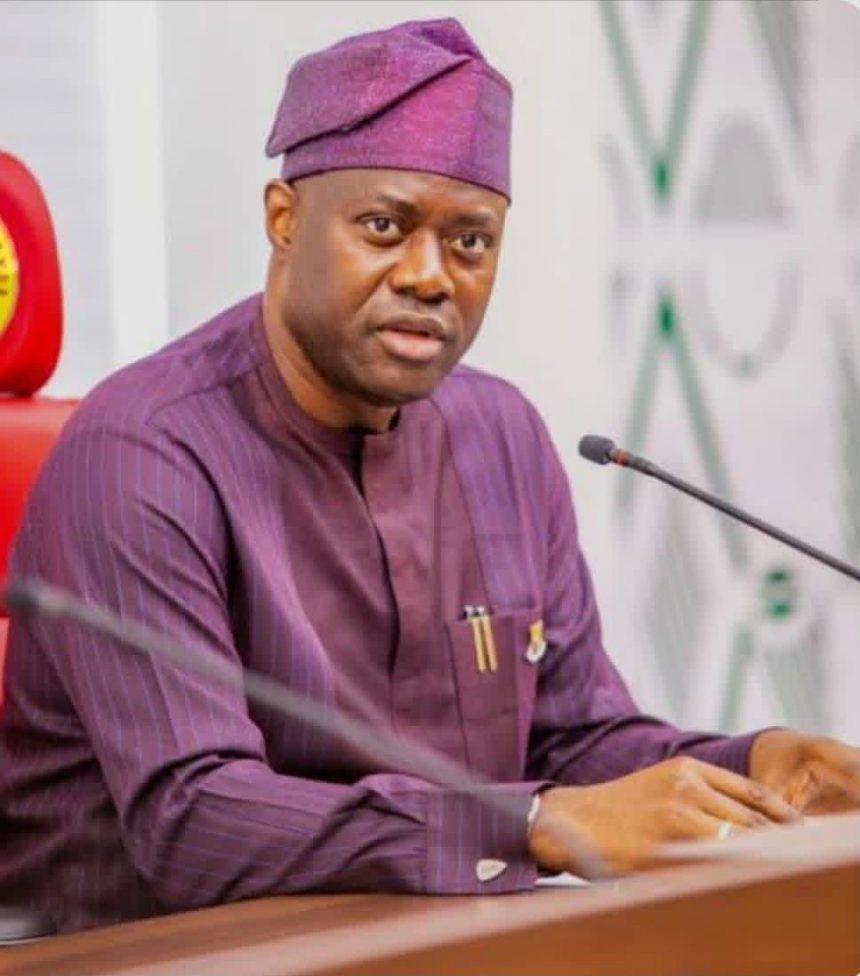
Which brings us to Oyo. Governor Makinde is in his second term. He commands a strong political base and full control of state resources and institutions. With that authority comes responsibility, especially now.
What is the current state of Amotekun in Oriire and across Oke-Ogun? Are the operatives funded, equipped, and properly integrated with the police and other federal forces? What intelligence structures exist at the LGA level to gather and pass real-time information to security agencies? What is being done about the forest reserves and ungoverned spaces that have become hideouts? And for families already affected, what support exists, and what is the communication plan to restore public confidence?
These are not partisan jabs. They are governance questions. The people in Oriire are asking them because they are living with the fear.
Politics must not get in the way. There have been disagreements between Governor Makinde and the federal government on policy and party lines. That is normal in a democracy. But security cannot become collateral damage. President Tinubu has shown a willingness to work with governors across party lines. Several PDP governors are already benefiting from federal programs and security support. The same cooperation is expected in Oyo. Kidnappers do not check party cards before they strike. Our response cannot be delayed by politics.
What then is the way forward? Oriire does not need blame. It needs action.
The federal government must sustain pressure on security agencies, provide tactical support to Oyo, and ensure intelligence flows quickly from Abuja to Ibadan and down to the local level. Presidential directives must translate to boots on the ground in Oriire.
The Oyo State government must convene an emergency security summit for Oke-Ogun. It must fund and deploy Amotekun and local hunters, and give them clear mandates. It must work directly with traditional rulers and community leaders who know the terrain. It must share data with federal agencies without delay and without pride.
Citizens also have a role. Security thrives where there is trust. People must volunteer information, and government must protect those who do.
Let us be clear. Kidnapping in Oriire is not just an Oyo problem. It is a Nigerian problem. And Nigerian problems require Nigerian solutions, led at the point of impact by the governor and backed at the center by the President. Not the other way around.
President Tinubu has set a national tone of less grandstanding and more results. Governor Makinde now has the opportunity to match that tone in Oyo. The people of Oriire are not interested in who wins the argument on television. They are interested in who ends the kidnappings in their communities.

That is the job. And that is what history, and the people, will judge.
-Segun Dipe writes as a Public Affairs Analyst.
Stay ahead with the latest updates!
Join The Podium Media on WhatsApp for real-time news alerts, breaking stories, and exclusive content delivered straight to your phone. Don’t miss a headline — subscribe now!
Chat with Us on WhatsApp