


Nigeria’s divergence with the International Monetary Fund was never about a missing N8 trillion. It was about budget reporting standards and enhanced fiscal transparency. The IMF noted that some recent spending, roughly 2 percent of GDP, was not fully reflected in the published budgets. The government says the expenditures passed through lawful channels: appropriations, supplementary budgets, statutory transfers, debt service, intervention windows, and multi‑year capital rollovers. In plain terms, it was a classification difference, not a criminal discovery.
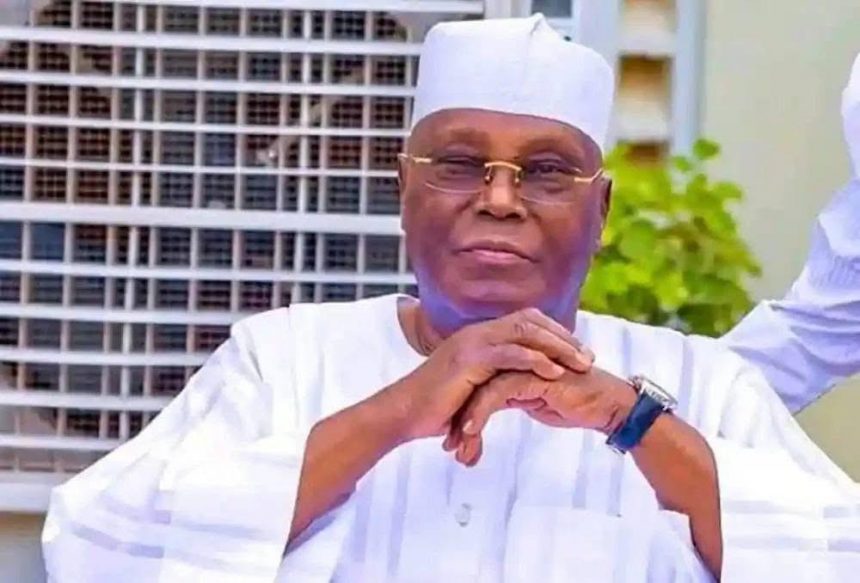
That distinction matters. It separates documentation differentials from the allegation of theft. And it exposes how Alhaji Atiku Abubakar converted a technical observation into a sensational claim he cannot prove.
Nigeria needs tighter budget discipline, cleaner reporting, and fewer overlapping fiscal channels. What it does not need is a false narrative of a shadow budget that the IMF itself never alleged. Asiwaju Bola Ahmed Tinubu’s administration should publish a simple reconciliation of the figures and broaden the path of clarity.

Atiku should also be confronted plainly. Opposition is legitimate. Fabrication is not. His politics has become a cycle of distraction, outrage, and distortion instead of disciplined, fact‑based challenge.
His own record makes the moral posturing even harder to take seriously. Under his watch, strategic national assets were sold at distressed, almost unbelievable discounts:
- ALSCON: valued between $3.2 and $3.5 billion, sold for $120 to $250 million.
- Delta Steel: valued at $1.5 billion, sold for $30 million.
- NITEL: valued between $2.4 and $3 billion, collapsed after failed bids that peaked at $252 million.
These transactions do not disqualify him from speaking today, but they weaken his authority to lecture anyone on stewardship. Even Olusegun Obasanjo, whom he served under as Vice President, questioned Atiku’s integrity in his book, “My Watch”.
Tinubu inherited an economy on the brink. The IMF now reports improved macro stability, stronger reserves, a healthier current account, and a naira that appreciated year‑on‑year in March 2026. Inflation has dropped, poverty remains severe, but the country has moved away from collapse. Reform is incomplete, yet recovery is real.
That is the story worth telling. Not a manufactured scandal, but a country climbing out of a hole and an opposition leader who must learn to argue with facts, not fiction.
Nigeria
Atiku
Tinubu
Stay ahead with the latest updates!
Join The Podium Media on WhatsApp for real-time news alerts, breaking stories, and exclusive content delivered straight to your phone. Don’t miss a headline — subscribe now!
Chat with Us on WhatsApp