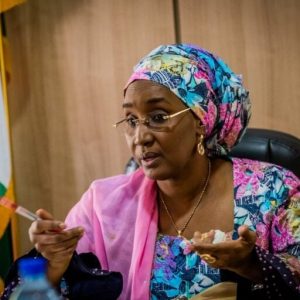




Diezani Alison-Madueke, former minister of petroleum resources, says she had limited control over oil contract approvals during her time in office, as most decisions were made before reaching her desk.
ThisDay reports that Alison-Madueke, while giving evidence during her trial at the Southwark Crown Court, said contract processes in the oil sector passed through multiple agencies before getting to the minister (her).
She said the operational authority of the sector rested largely with the group managing director of the Nigerian National Petroleum Corporation (NNPC), while the ministry played an oversight role.

According to her, the size and complexity of the petroleum industry made direct ministerial control impractical describing herself largely as “rubber stamp” in the process.
The former minister said she rarely rejected contract approvals and did not interfere with decisions already processed within the system.
Alison-Madueke also told the court that in 2014, she uncovered an alleged crude oil lifting arrangement involving multiple companies, which she said was allegedly linked to Igho Sanomi, a businessman.
She said she moved to cancel the contract arrangement after receiving a whistleblower report, but faced resistance, including complaints escalated to then-Nigerian President Goodluck Jonathan.
She revisited the $20 billion oil revenue controversy raised by Lamido Sanusi, former governor of the Central Bank of Nigeria, saying the issue was later clarified through audits and legislative reviews.
According to her, the figures were linked to subsidy payments and operational costs, not missing funds.
The former minister said she was wrongly portrayed in the media as being involved in financial misconduct.
Alison-Madueke further told the court that investigations into fuel subsidy payments uncovered abuses, including multiple claims by marketers.
She said she reported the issues to the relevant authorities and introduced measures that reduced subsidy claims.
The former minister said her actions exposed her to security threats, including the abduction of family members.
She also alleged that political and business figures pressured her office for favours in oil allocations, which she said she declined.
On her finances, Alison-Madueke said she used Nigerian-issued bank cards for transactions, including during official trips abroad, noting that public officials were not allowed to operate foreign accounts.
She said there were instances where her cards did not work overseas, requiring others to cover some expenses.

The court was presented with records of her travels between 2011 and 2015, including official correspondence and passport details.
The former Nigerian minister said she typically travelled with “an entourage of about 30 staff members”, including technical assistants and protocol officers, and insisted that all official movements were documented in ministry diaries later archived by government authorities.
She also addressed the use of chartered flights, saying both private and commercial flights were used for official duties.
Alison-Madueke noted that her tenure focused on expanding local participation in the oil sector and improving transparency.

The former minister is standing trial alongside Olatimbo Ayinde, an oil executive, and Doye Agama, her brother, on a five-count charge bordering on accepting bribes. They pleaded not guilty to the charges.
Stay ahead with the latest updates!
Join The Podium Media on WhatsApp for real-time news alerts, breaking stories, and exclusive content delivered straight to your phone. Don’t miss a headline — subscribe now!
Chat with Us on WhatsApp