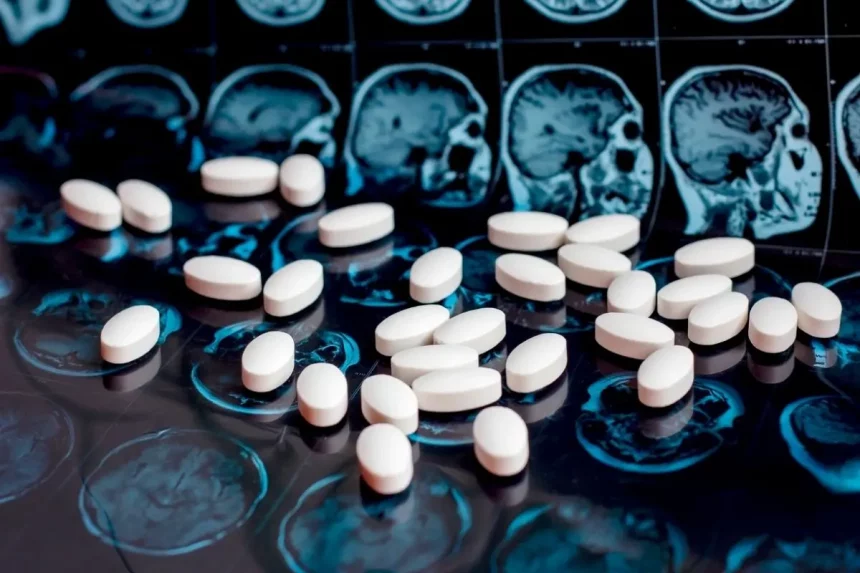
Doctors have prescribed metformin for type 2 diabetes since the 1950s. It works: reliably, cheaply, and with a safety record few drugs can match. What nobody fully understood, until now, was how. A study published in Science Advances on July 30, 2025, by researchers at Baylor College of Medicine and international collaborators has identified something unexpected: a specific brain pathway that metformin depends on to lower blood sugar.
Science
“It’s been widely accepted that metformin lowers blood glucose primarily by reducing glucose output in the liver,” said Dr. Makoto Fukuda, associate professor of pediatrics and nutrition at Baylor and the study’s corresponding author. “Other studies have found that it acts through the gut. We looked into the brain as it is widely recognized as a key regulator of whole-body glucose metabolism.”

What the brain has to do with it
The researchers focused on a small protein called Rap1, located in a region of the brain called the ventromedial hypothalamus (VMH). At clinically relevant doses, metformin’s ability to lower blood sugar depends on suppressing Rap1 activity in this specific region. Remove Rap1, and the drug stops working, at least at low doses.
Nutrition
To test this, the team studied genetically engineered mice lacking Rap1 in the VMH. Placed on a high fat diet to mimic type 2 diabetes, these mice showed no blood sugar reduction when treated with low doses of metformin. In contrast, other diabetes treatments (insulin and GLP-1 agonists) remained fully effective. The failure was specific to metformin, pointing directly at Rap1 as the required mechanism.
The team then administered extremely small amounts of metformin directly into the brains of diabetic mice. Even at doses thousands of times lower than standard oral doses, the drug produced a significant reduction in blood sugar. The brain, it turns out, responds at concentrations far below what the liver or gut require.
The neurons involved
The researchers also identified which cells mediate the effect. A group of neurons in the VMH known as SF1 neurons became activated when metformin entered the brain. Using brain slice experiments, the team measured the electrical activity of these neurons directly. Metformin increased the activity of most SF1 neurons, but only when Rap1 was present. In mice lacking Rap1 specifically in these neurons, metformin produced no response at all.
“This discovery changes how we think about metformin. It’s not just working in the liver or the gut, it’s also acting in the brain. We found that while the liver and intestines need high concentrations of the drug to respond, the brain reacts to much lower levels.”
What comes next
Metformin already carries a growing body of research suggesting benefits beyond blood sugar, including potential effects on aspects of brain aging. The Baylor team now plans to investigate whether this same Rap1 signaling pathway accounts for those neurological effects as well. If it does, the implications extend well beyond diabetes treatment.
Furthermore, by mapping this brain pathway, researchers may be able to design drugs that target Rap1 or related mechanisms directly, offering more precise options for people whose diabetes is not adequately controlled by existing treatments.
For now, none of this changes how metformin is prescribed. Sixty years in, researchers finally know why it works.
Stay ahead with the latest updates!
Join The Podium Media on WhatsApp for real-time news alerts, breaking stories, and exclusive content delivered straight to your phone. Don’t miss a headline — subscribe now!
Chat with Us on WhatsApp