
Investor appetite for Nigeria’s telecommunications sector is gradually rebounding following the resolution of a N300 billion Unstructured Supplementary Service Data( USSD) debt impasse that had weighed heavily on operator balance sheets and rattled confidence across the broader digital ecosystem.
Industry leaders say the clearing of the long-running debt dispute between telecom operators and financial institutions has removed one of the most significant financial overhangs in recent years, restoring predictability to a sector already grappling with forex volatility, rising energy costs and over a decade of static pricing.
Gbenga Adebayo, chairman of the Association of Licensed Telecommunications Operators of Nigeria (ALTON), at a stakeholders’ forum in Lagos, described the debt resolution as a turning point.

“At its peak, the exposure was approaching N300 billion. That level of unresolved liability created uncertainty not just for telecom operators, but for the financial services ecosystem that depends on us. Today, that overhang has been lifted. There is no outstanding USSD debt,” he said.
The dispute, which lingered for years, stemmed from unpaid charges for USSD services used by banks to power mobile banking transactions. The standoff strained relationships between operators and financial institutions, raised concerns among lenders, and complicated capital planning for network expansion.
According to Adebayo, structured engagements involving regulators and industry stakeholders led to a migration to end-user billing, a shift he said has brought clarity and long-term sustainability to the framework.
“Resolution was not accidental. It required coordination, regulatory firmness and commercial realism. With end-user billing in place, the framework is now cleaner and far more sustainable,” he noted.
Market observers say the debt clearance has coincided with improved foreign exchange liquidity, easing pressure on operators who earn revenue in naira but settle many of their obligations from bandwidth to software licences and network equipment, in foreign currency.
For much of the past three years, forex scarcity had compounded financial stress, forcing operators to accumulate foreign obligations and delay capital expenditure. The resulting strain slowed infrastructure rollouts and raised fears about service quality deterioration.
That pressure has begun to ease.
“Forex stability has improved, and with reduced exposure to legacy debt, operators are better positioned to meet international commitments. When investors see stability in cash flow and policy direction, confidence follows,” Adebayo said.
The renewed optimism comes after regulators approved long-awaited tariff adjustments earlier this year, the first major pricing review in 13 years. Operators had argued that inflation, energy costs and currency depreciation had eroded margins to unsustainable levels, threatening network investment.
While consumer groups initially expressed concern over higher charges, industry executives maintain that the adjustment was necessary to prevent service rationing and long-term infrastructure decline.
“No industry can operate indefinitely below cost. Our responsibility is to ensure affordability, yes, but also sustainability. When networks deteriorate, it is the public that ultimately suffers,” Idris Olorunnimbe, chairman of the Nigerian Communications Commission (NCC) Board, who addressed stakeholders at the same forum.
Olorunnimbe stressed that regulatory independence and policy consistency remain central to sustaining the sector’s recovery.
“Investors respond to clarity. They commit capital where rules are transparent, decisions are data-driven, and the regulatory environment is predictable. That is the environment we are committed to maintaining,” he said.

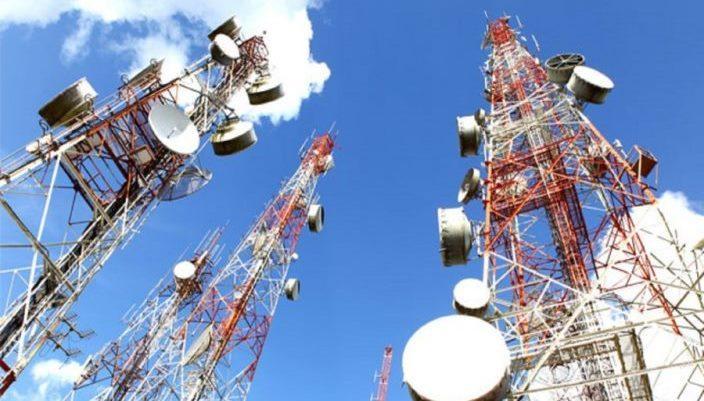
Signs of renewed investor interest are already emerging, particularly in infrastructure segments such as tower assets and fibre expansion. Industry analysts note that large-scale transactions typically avoided distressed markets, suggesting confidence in Nigeria’s telecom fundamentals is strengthening.
Beyond financial restructuring, operators are also contending with persistent operational risks, including fibre vandalism and infrastructure damage linked to road construction projects. Industry leaders argue that safeguarding telecom assets is essential to protecting recent gains.
Still, the mood within the sector has shifted markedly from defensive survival to cautious expansion.
“The conversation two years ago was about resilience. Today, it is about growth. We are not out of the woods entirely, but the fundamentals are far stronger than they were,” Adebayo reflected.

With the N300 billion debt dispute settled, forex conditions stabilising and tariff reforms in place, stakeholders say the immediate priority is to consolidate reforms, deepen broadband penetration and ensure that Nigeria’s telecom backbone remains robust enough to support an increasingly digital economy.
For investors who once hesitated on the sidelines, the signals are changing. Stability, operators insist, is no longer aspirational, it is becoming visible.
Stay ahead with the latest updates!
Join The Podium Media on WhatsApp for real-time news alerts, breaking stories, and exclusive content delivered straight to your phone. Don’t miss a headline — subscribe now!
Chat with Us on WhatsApp