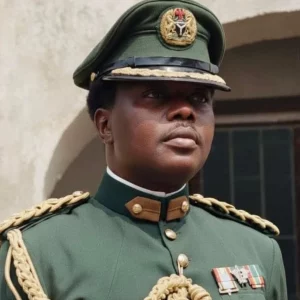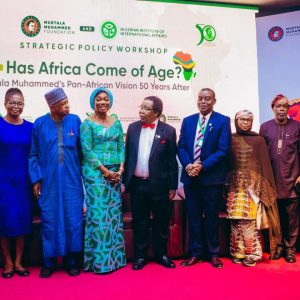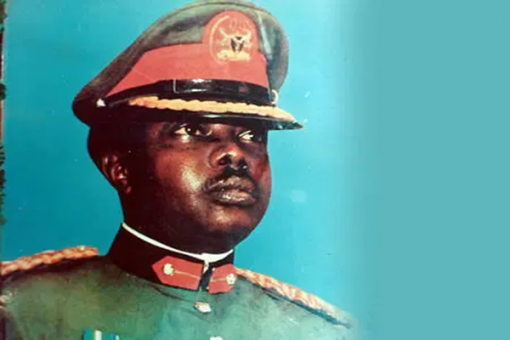
Sir: On Friday, February 13, 1976, exactly 50 years ago General Murtala Mohammed, Nigeria’s former head of state, was brutally killed by a renegade soldier, Lt Colonel Buka Dimka, director of army military training.
Whatever the motive was behind the staging of the coup, it marked an abrupt end to a lofty dream and 50 years after the thoughtless escapade, the country has yet to fully recover from its collateral damage and the loss of a life time.
Whereas, Murtala Mohammed seized power in a bloodless coup on July 29, 1975 from General Gowon, who was in Kampala, Uganda, attending the Organization of African Unity (OAU) meeting, by the time of his assassination after 200 days in office on February 13, 1976, the regime had crowned the nation with entirely new garments, apparently in every facets of the country’s life and as a nation.

For the first time in memory, things worked well and Nigerians had a touch of what it was to have a good and workable nation. Mohammed’s 200 days rule taught all and sundry, including the intelligentsias and the ordinary folks, that what Nigeria needed was not too much money chasing too fewer goods, but efficiency, effectiveness, dutifulness, responsibility, loyalty, patriotism and honesty of attitude towards ourselves and the nation as ours.
He envisioned a nation capital free of unbridled chaos, collateral constraints and complexities inimical to growth and development. Without wasting time, he commissioned the Justice Aguda’s committee for the creation of Abuja as the Federal Capital Territory. Luckily Abuja had been founded and approved before his assassination on February 13, 1976.
As a restless and visionary ruler, his purge of over 10,000 high profile public servants in an attempt to give a new face for the country’s civil service didn’t go well with lots of Nigerians and the controversies and utter bitterness that ensued were yet to go down before his brutal killing. Successive regimes and governments have since developed Abuja into a cynosure, even among African nations.
Fifty years after the creation of Abuja and the assassination of Mohammed, there is no monument erected or improvised in the memory of a man who didn’t only moot the idea of Abuja but actually worked hard for its realization, even within the limited time that he had. His travail may be likened to a city that was besieged by enemies and an old man provided them with wisdom to defeat the enemy and uphold the safety of the city. But by the time the history of the city was being written, the old man’s name was conspicuously missing. This speaks volumes of what we hold as cherished values.
Source: The Nation
Stay ahead with the latest updates!
Join The Podium Media on WhatsApp for real-time news alerts, breaking stories, and exclusive content delivered straight to your phone. Don’t miss a headline — subscribe now!
Chat with Us on WhatsApp