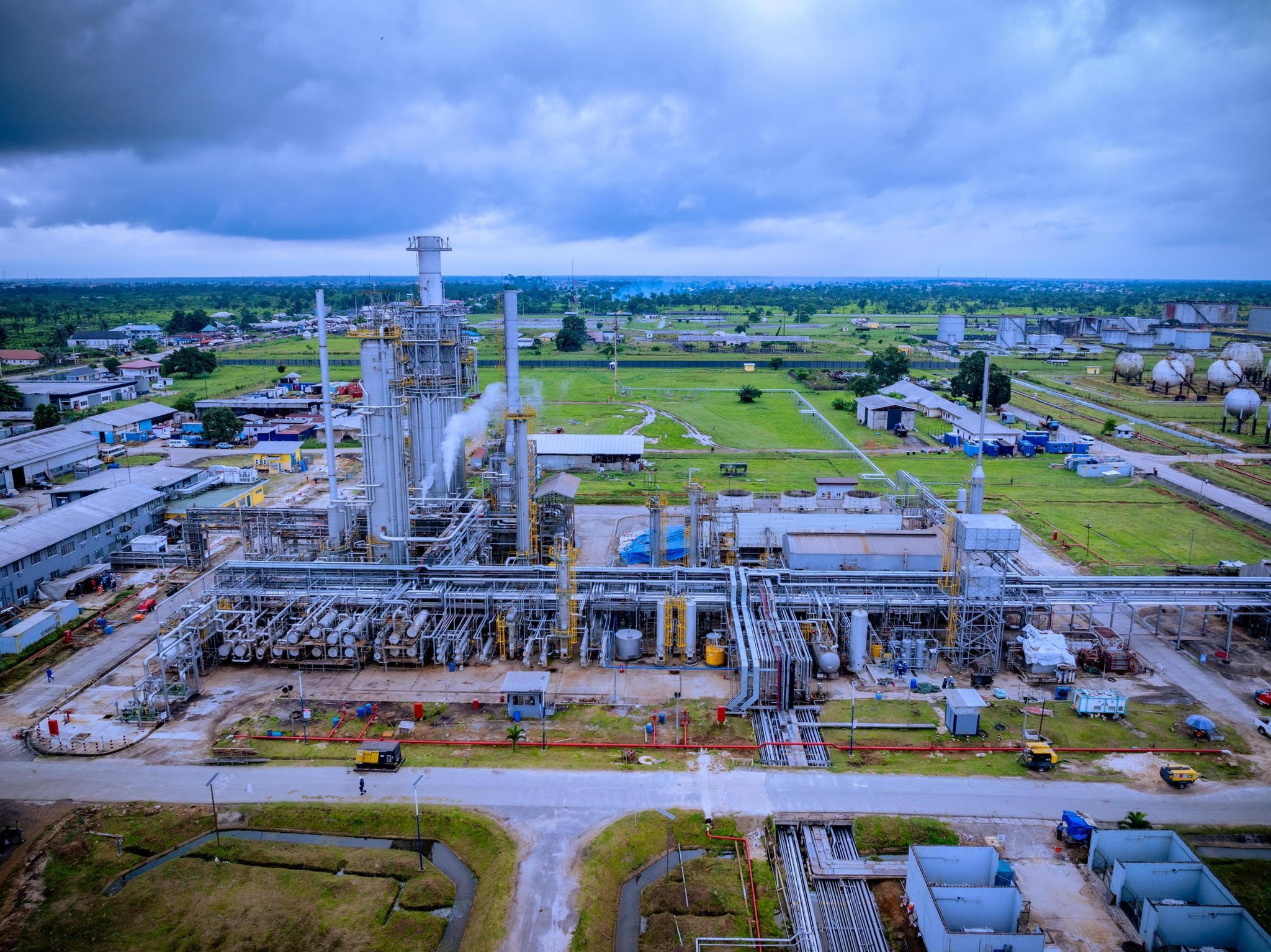



The Petroleum and Natural Gas Senior Staff Association of Nigeria (PENGASSAN) says the old Port Harcourt Refinery has been rehabilitated to about 90 per cent and can resume operations within one week if the Nigerian National Petroleum Company Limited (NNPC Limited) decides to restart the plant.
The disclosure was made by PENGASSAN President, Festus Osifo, while speaking on Channels Television’s The Morning Brief on Tuesday, February 10, 2026.
His comments come amid renewed debate over the viability of Nigeria’s state-owned refineries, following remarks by NNPC Limited’s Group Chief Executive Officer (GCEO), Engr. Bayo Ojulari, that reopening the Port Harcourt Refinery amounted to a huge waste of resources.

Osifo said the refinery is technically ready for operations, noting that the key issue delaying its restart is not mechanical readiness but profitability considerations by NNPC Limited.
What he is saying
Osifo explained that although extensive rehabilitation work has been completed, running the refinery could result in financial losses depending on crude oil costs and product pricing.
- “As of today, you can start the old Port Harcourt refinery, and it will function. You can put it on today, and it will function. However, NNPCL as a company is there to make a profit.”
- “So, if they want to start it today, within the next one week, they can bring it back to life.”
- “It has been rehabilitated up to about 90 per cent.”
- “If you feed crude oil worth, say, five million dollars into the old Port Harcourt refinery, what you are likely to get at the other end when you sell the petroleum products may be about 4.5 million dollars.”
Despite these concerns, the PENGASSAN president insisted that funds spent on rehabilitating the refinery were not wasted, pointing to significant upgrades carried out at the facility.
He said major components such as compressors, control rooms, and panels were replaced and remain installed, adding that the refinery’s asset value is now higher than before the rehabilitation.
Background
The Port Harcourt Refinery rehabilitation has been a long-running project spanning several years and administrations.
- In March 2021, the Federal Executive Council approved the rehabilitation of the Port Harcourt Refinery at a cost of $1.5 billion, with the aim of restoring domestic refining capacity.
- On November 26, 2024, NNPC Limited announced that the refinery had commenced production after a prolonged shutdown. According to the company, the rehabilitated complex of the old Port Harcourt refinery was operating at about 70 per cent of its installed capacity at the time.
However, operations were later scaled down and then fully shut again in May 2025 due to operational challenges. Since then, the facility has remained dormant, fueling public criticism over the huge investments committed to Nigeria’s state-owned refineries with limited output to show.
Why it matters
The operation of the Port Harcourt Refinery is considered critical to Nigeria’s economy, energy security, and foreign exchange stability, particularly as the country seeks to reduce its long-standing dependence on imported petroleum products.
- A functional refinery would reduce pressure on foreign exchange by cutting fuel import bills.
- Local refining is expected to support job creation and industrial growth in the oil-producing region.
- Increased domestic supply could introduce competition alongside the Dangote Refinery, potentially moderating pump prices.
The refinery’s restart could also help mitigate recurring fuel scarcity, which often disrupts transportation, logistics, and broader economic activity. However, concerns over profitability raise questions about the sustainability of continued state involvement in refinery operations.
What you should know
NNPC Limited’s GCEO, Engr. Bayo Ojulari, recently disclosed that the company shut down Nigeria’s state-owned refineries after internal assessments showed they were operating at what he described as “monumental losses” and destroying national value.
Ojulari said the decision followed detailed technical and commercial reviews triggered by mounting public criticism over years of heavy investment with minimal returns. According to him, the refineries became an immediate priority when his leadership team assumed office due to the level of public scrutiny surrounding their rehabilitation.
While labour unions argue that the Port Harcourt Refinery is technically ready and more valuable after rehabilitation, NNPC Limited maintains that commercial realities must guide decisions on restarting operations.
Stay ahead with the latest updates!
Join The Podium Media on WhatsApp for real-time news alerts, breaking stories, and exclusive content delivered straight to your phone. Don’t miss a headline — subscribe now!
Chat with Us on WhatsApp