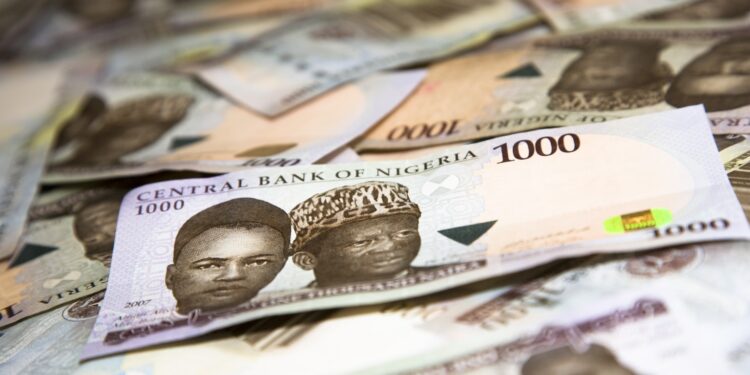
As millions of Nigerians grapple with inflation, exchange-rate volatility, and a rising cost of living, the country’s wealthiest individuals are navigating the same macroeconomic terrain from a very different vantage point.
Public perception often assumes billionaire spending is driven by luxury or excess.
Market data and capital flows from the past two years suggest otherwise.

In reality, Nigerian billionaires are behaving more like global capital allocators—focused on hedging risk, preserving value, and compounding wealth in an unstable macro-monetary environment.
To better understand these dynamics, I asked ChatGPT how Nigerian billionaires are likely to deploy capital in 2026, especially against the backdrop of the major deals and asset repricing that took place in 2025.
Below is a structured breakdown of what that spending is likely to look like—and why.
What equities will Nigerian billionaires be buying in 2026?
Equities remain the single most important wealth anchor for Nigeria’s billionaire class.
Much of billionaire wealth in Nigeria is still tied to controlling or influential stakes in listed companies, particularly in banking, industrials, consumer goods, energy, and telecoms.
The strong rally on the Nigerian Exchange (NGX) in 2025 significantly boosted the paper wealth of these individuals.
According to Nairametrics estimates, Nigeria’s billionaire class added about ₦11.36 trillion in equity wealth in 2025, largely from concentrated positions rather than broad diversification.
In 2026, billionaires are unlikely to rotate aggressively out of these positions. Instead, they are expected to:
- Increase stakes in core businesses that they already influence
- Participate in recapitalisations and rights issues
- Use listed equities as collateral or liquidity buffers for private expansion
This mirrors behaviour seen globally. In the US, billionaires like Warren Buffett doubled down on businesses with durable cash flows during inflationary cycles rather than chasing speculative growth.
Nigerian billionaires are doing the same—just within fewer sectors.
How will they hedge against exchange-rate depreciation?
Exchange-rate risk remains one of the biggest threats to domestic wealth.
Nigerian billionaires hedge this risk through a combination of:
- Dollar-earning assets (energy exports, commodities, logistics)
- Offshore investments and domiciled structures
- Foreign-currency denominated equities and debt
Industrialists with export exposure are structurally better positioned. This partly explains the surge in wealth for individuals tied to large industrial and energy assets.

The most prominent example remains Aliko Dangote, whose refinery—now operational—anchors a dollar-linked industrial cash flow profile.
Forbes Africa’s 2025 ranking showed Dangote’s net worth jumping from $13.9 billion to $23.9 billion, largely due to the refinery being recognised as a live, revenue-generating asset.
In uncertain FX regimes, billionaires don’t speculate on currency stability—they build businesses that make currency movements less relevant.
How will they hedge against inflation?
Inflation hedging is less about financial instruments and more about asset selection.

In 2026, Nigerian billionaires are expected to continue allocating capital to:
- Hard assets (plants, infrastructure, logistics)
- Pricing-power businesses (cement, energy, banking, consumer staples)
- Assets with replacement-cost advantages
This explains why industrial expansion dominated billionaire activity in 2025. Inflation increases the cost of building new assets, which in turn raises the value of existing ones.
Globally, billionaires in inflationary economies—from Latin America to Turkey—have responded similarly: owning productive assets beats holding cash.
What businesses or industries will they be acquiring?
Acquisitions in 2026 are likely to be strategic, not opportunistic.
The focus areas include:
- Industrial infrastructure (refining, manufacturing, logistics)
- Energy value chains (gas, power, downstream assets)
- Financial services platforms (banks, payment infrastructure)
- Supply-chain enablers
Rather than lifestyle businesses, billionaires are acquiring assets that:

- Deepen existing moats
- Reduce import dependence
- Secure long-term cash flows
This industrial logic is consistent with what played out in 2025 and is expected to mature further in 2026.
Where will they be keeping their cash?
Cash is no longer treated as a passive asset.
In 2026, billionaire cash management is likely to involve:
- Short-duration instruments
- Foreign-currency accounts
- Strategic liquidity parked offshore
- Treasury-style management rather than idle balances
Holding large naira cash positions in a high-inflation environment is viewed as value-destructive. Even globally, billionaires rarely “sit” on cash—they warehouse it.
How will they navigate taxes under Nigeria’s new tax laws?
The new tax regime shifts behaviour, not compliance.
Billionaires are expected to respond through:
- Better tax planning and structuring
- Increased use of holding companies
- Greater reliance on professional tax optimisation
- Formalisation rather than evasion
This mirrors global patterns. In jurisdictions with tighter tax regimes, wealthy individuals don’t disappear, they restructure. Nigerian billionaires are likely to follow the same path, emphasising efficiency within the law rather than avoidance.
How will geopolitics shape their global investments?
Geopolitics increasingly influences capital allocation.
In 2026, Nigerian billionaires are expected to:
- Spread investments across multiple jurisdictions
- Reduce concentration risk
- Maintain exposure to stable markets while retaining African growth optionality
This global diversification is less about prestige and more about resilience. It reflects how wealthy individuals worldwide respond to fragmentation in global trade, rising protectionism, and geopolitical realignments.
What role will philanthropy play?
Philanthropy is becoming more strategic and institutionalised.
Major examples include:
- The Tony Elumelu Foundation, which continues to fund African entrepreneurs at scale.
- The Dangote Foundation, focused on health and education.
- Femi Otedola, whose donations to universities support infrastructure, scholarships, and research.
According to ChatGPT, philanthropy in 2026 will increasingly be treated as:
- A legacy tool
- A social stabiliser
- An extension of economic influence
This reflects a global trend where philanthropy is no longer episodic charity but structured capital deployment with measurable outcomes.
What this all means
When these patterns are viewed together, that is, industrial expansion, equity reinvestment, FX and inflation hedging, global diversification, and strategic philanthropy, a clear picture emerges.
Billionaire spending in 2026 is likely to be assets-first, risk-aware, and long-term oriented.
It is worth stressing, however, that artificial intelligence is only a technological tool, not a predictor of certainty.
- There is no guarantee that Nigerian billionaires will deploy capital exactly this way.
- That said, the analysis draws from past research, historical behaviour, and reference points, with prompts tailored specifically to Nigeria’s current macroeconomic realities and how billionaires have responded during similar periods of monetary and fiscal stress.
- This accumulation of wealth, while impressive, continues alongside persistent economic hardship for much of the population.
- Reports from groups such as Oxfam show that billionaire wealth has grown faster than broader economic welfare.
Still, these capital decisions do not exist in isolation. They shape markets, industries, employment, and in some cases, public policy itself.
In Nigeria’s fragile macro environment, how billionaires spend in 2026 will matter—not just to their balance sheets, but to the wider economy as well.
Stay ahead with the latest updates!
Join The Podium Media on WhatsApp for real-time news alerts, breaking stories, and exclusive content delivered straight to your phone. Don’t miss a headline — subscribe now!
Chat with Us on WhatsApp