


…19 October 1986: Dele Giwa—40 Years After
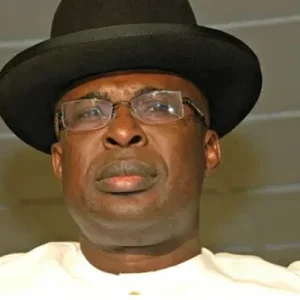
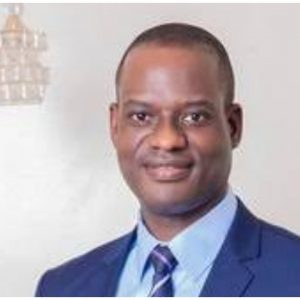
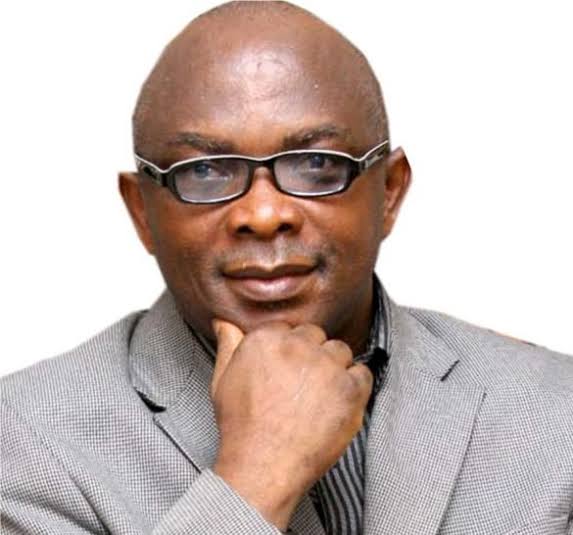
My reporter’s instinct nudged me to go and commiserate with Ray Ekpu—the lone survivor in a tragic story of four journalists who founded Newswatch magazine 41 years ago, three of whom are now dead. First was Dele Giwa, who died almost 40 years ago when a parcel bomb sent to him exploded at his home one Sunday morning. Second was Dan Agbese, who died on Monday, November 17, 2025. Third was Yakubu Mohammed, who died on Wednesday, January 14, 2026, in this horrific relay race of death.
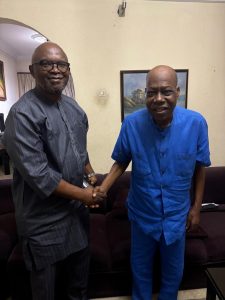
My newsman’s instinct told me to go to Ray Ekpu’s house of sorrow, where his story was waiting to be told. So here we are with Ray, who spoke to me for over two hours in his booming, sorrowful baritone:
***

From the day Dele Giwa died on October 19, 1986, I lost 10 kilograms in two weeks. And then, for a year, I lost my memory because of that man’s death. My ability to even handle that kind of situation was zero. Nobody had ever been killed through a parcel bomb in Nigeria. And then all of a sudden, the man who was very popular in the public space was just destroyed like that.
A lot of people—my friends, my family people—said to me: “Because of your closeness, you are next. So you better leave the country, go and practise abroad.” I said to myself: “What they are suggesting may make sense, but why should I run away from these young people that we went to various newspapers and brought here? I would run away and leave them? I would not do that. If it’s God’s decision that they would kill me, then so be it. If God does not approve it, they would not succeed.”
That’s why I didn’t go abroad. That’s why I didn’t leave Newswatch. Next, we started writing: WHO KILLED DELE GIWA? Every week, we were publishing that. I think that’s what hurt those in power even more than the allegations we were making—WHO KILLED DELE GIWA?
The public suspected them. The public agreed with our presentation of how he died. They could connect the dots and arrive at their own conclusions. The government itself did not handle the matter well. At the first press conference, Admiral Augustus Aikhomu, the second-in-command of that government, forbade journalists from asking questions. That was a question mark on the credibility of the government. So it was really tough.
We wanted to bury him in Lagos. The government didn’t want that. I said: “What’s the business of government to decide where a private person should be buried?” Tony Momoh, the Minister of Information in the military government of General Ibrahim Babangida, wrote a letter to me and said he came from the same local government as Dele Giwa and that in their place they don’t bury people from their state abroad. So the body must be taken home.
We eventually held a meeting with the family and asked: “What do you want?” They said: “We don’t know what the government would do if he is buried in Lagos. So it’s better to bury him in his hometown, Ugbekpe Ekperi.” So we took him there. It was a terrible time for us. When we started Newswatch, it was only one year and ten months old. We were just gaining ground in the media industry, and then this happened.
It happened on a Sunday. Throughout the week, we were mourning. People came every day. For the first four days, we sat receiving condolence visits. On Friday, we said we did not want the magazine to miss the next week. Because those behind this would be very happy if that happened.
So we shut the gate to the office that Friday, and I took the key. We told our staff: “Nobody is going anywhere until we complete production of the magazine. It must come out on Monday—rain or shine.” We worked for 36 to 48 hours and produced that issue, leading with his death on October 19, 1986, exploring all its nuances.
People thought: Dele Giwa is dead, so Newswatch is dead. Indeed, Dele Giwa had a larger-than-life personality. He was a showman. He came from America, where exhibitionism was part of the culture. He was handsome, well-dressed, and he wrote a popular column. He was a major factor in Nigerian media as soon as he arrived, with the style of his writing.
At Daily Times, he had a column called Parallax Snaps. Every week, you had to look for it. Very sexy writing. That kind of writing attracted MKO Abiola, who invited him to his new Concord newspaper, promising a higher salary. He made him editor of Sunday Concord. His column ran on Page 3.
When I joined, he asked me to write a column too—his above, mine below. Yakubu Mohammed, editor of National Concord, also asked me to write for his paper. I wrote two columns weekly, apart from my work as Chairman of the Editorial Board.
And when you came—Mike Awoyinfa—you changed the architecture of journalism. You brought people’s journalism into Weekend Concord. It wasn’t a regular tabloid; it was human-angle journalism. From stories to headlines, you excited readers. You arrested them. You were the magician. Dele Giwa didn’t live to see Weekend Concord. He would have loved it.

Dele Giwa’s story has not been fully told. I have just finished editing a book on him. We decided to compile his writings from Daily Times, Sunday Concord and Newswatch. I selected 88 articles. That’s one section. The second contains interviews—Radio Nigeria with Kelvin Ejiofor, and Vanguard with Ely Obas. The third section contains about 20 of the best articles written on him by notable Nigerian writers.
I also wrote a long introduction addressing claims that Dele was too close to government. If you are not close to people in power, you cannot get big stories. I have finished the editing. We will launch the book in October—40 years after his assassination. It is the right time to let the public truly know this man.
NEXT WEEK: AGONY OF LOSING 3 GOOD FRIENDS — RAY EKPU
Stay ahead with the latest updates!
Join The Podium Media on WhatsApp for real-time news alerts, breaking stories, and exclusive content delivered straight to your phone. Don’t miss a headline — subscribe now!
Chat with Us on WhatsApp