


The Federal Government has explained that Nigeria’s N152 trillion public debt is largely driven by improved transparency and foreign exchange adjustments, not a surge in new borrowing.
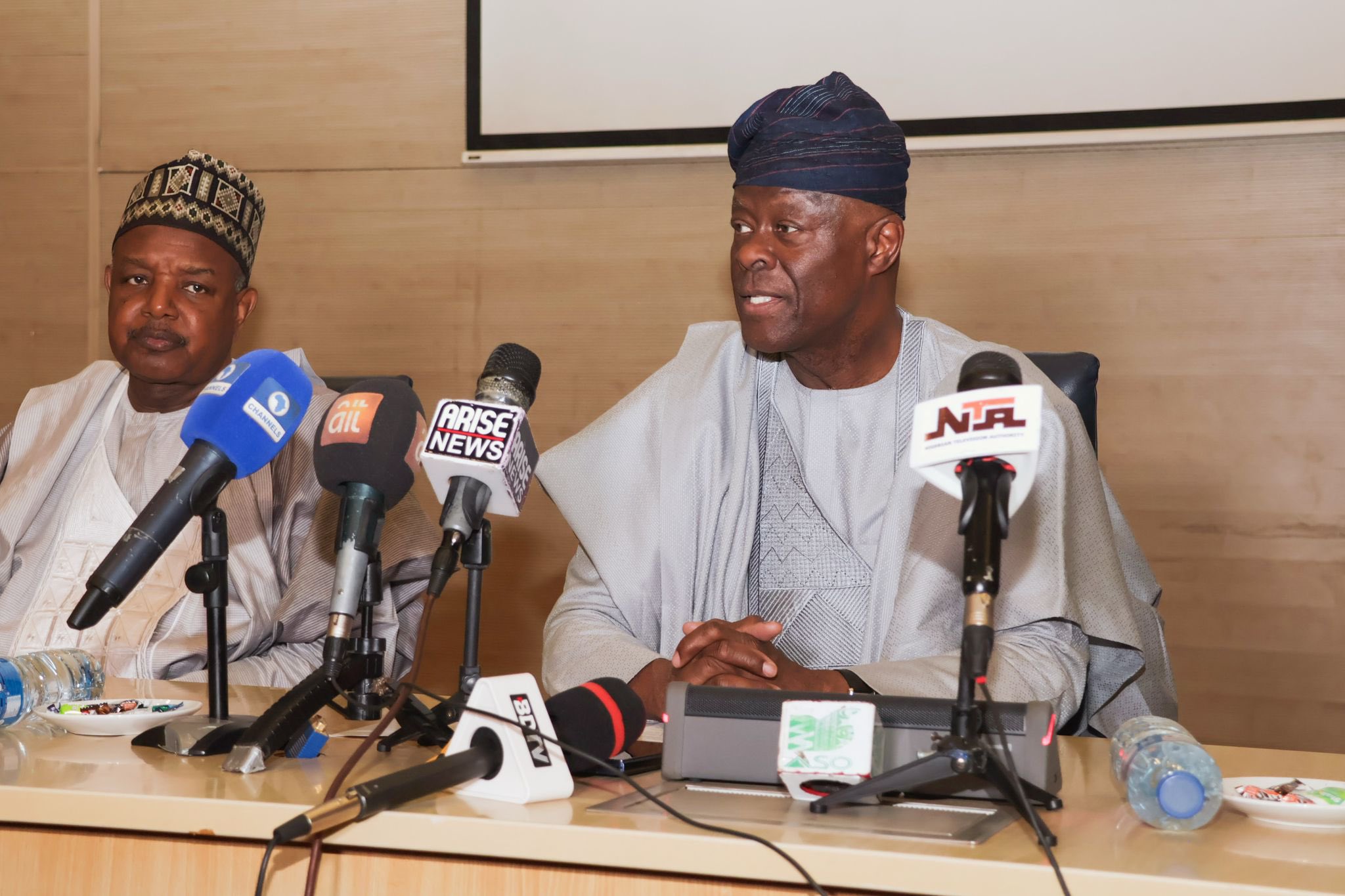
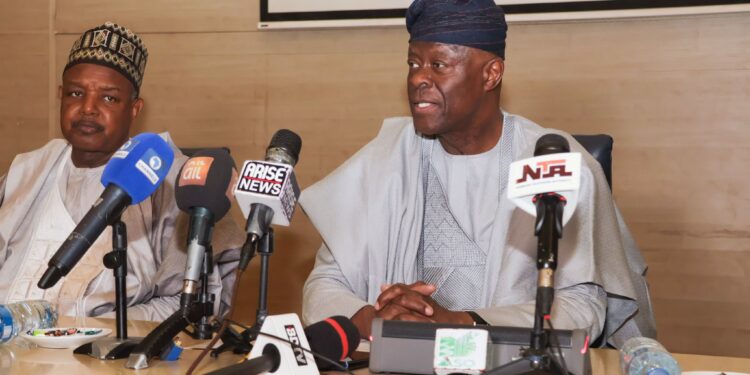
The explanation was provided by the Honourable Minister of Finance and Coordinating Minister of the Economy, Mr. Wale Edun, during the launch of the Nigerian Economic Summit Group (NESG) 2026 Macroeconomic Outlook Report in Lagos.
The clarification seeks to address public concerns by breaking down the components of the debt increase and highlighting the impact of recent fiscal and exchange rate reforms.

What they are saying
In a statement issued on Thursday by Special Adviser on Communications, Media and Publicity to the Minister of Finance, Dr. Ogho Okiti, he said: “The Honourable Minister of Finance and Coordinating Minister of the Economy clarified that the N152 trillion public debt figure is largely the result of transparency and exchange rate correction, not excessive new borrowing.”
- According to the Finance Ministry, about N30 trillion of the total public debt represents previously unrecognised Ways and Means advances that have now been formally captured in the government’s books.
- These obligations, which had accumulated over several years, were recorded in line with improved transparency and accountability standards.
- The statement further explained that nearly N49 trillion of the increase in public debt resulted from the revaluation of Nigeria’s foreign debt following recent foreign exchange reforms.
This adjustment reflects changes in the exchange rate rather than the accumulation of new external loans.
Edun stressed that the updated debt figures are not the result of reckless borrowing but a correction of long-standing fiscal reporting gaps.
He added that accurate data is essential for effective economic planning and restoring investor confidence.
The Minister reiterated that the administration remains committed to responsible debt management, fiscal discipline, and sustainable economic growth.
He emphasized that ongoing reforms are designed to strengthen public finance management and improve the credibility of Nigeria’s fiscal data.
Edun also disclosed that Nigeria recorded an 84% execution rate of its 2024 capital budget.
He explained that the extension of the budget implementation period to March 2026 was necessary to accommodate ongoing projects and address funding challenges, particularly for critical infrastructure.
According to him, the extension will ensure that priority development projects are completed rather than abandoned, despite the prevailing fiscal constraints.
What you should know
- The Debt Management Office (DMO) reports that Nigeria’s total public debt has climbed to N152.40 trillion as of June 30, 2025, up from N149.39 trillion at the end of March.
- Ways and Means advances are short-term loans from the Central Bank of Nigeria to the Federal Government, which have historically been a source of fiscal controversy.
- Nigeria’s exchange rate reforms have led to a sharp revaluation of foreign-denominated obligations, inflating naira-denominated debt figures.
- The Tinubu administration has consistently argued that fiscal transparency and economic reforms are necessary to restore investor confidence and unlock long-term growth.
Stay ahead with the latest updates!
Join The Podium Media on WhatsApp for real-time news alerts, breaking stories, and exclusive content delivered straight to your phone. Don’t miss a headline — subscribe now!
Chat with Us on WhatsApp