




Nigeria’s energy reform has taken a new turn with the launch of a digital gas trading licence, the country’s first clearing house and settlement authorisation designed to bring transparency, competitiveness, and investor confidence to the domestic gas industry.
The initiative, unveiled in Abuja, Nigeria’s capital, on Thursday, December 11, is anchored by the Nigerian Midstream and Downstream Petroleum Regulatory Authority in collaboration with the Securities and Exchange Commission, which has licensed Jex Markets to operate the new Gas Clearing House and Settlement platform.
Officials say the reform is central to President Bola Tinubu’s efforts to reposition natural gas as a pillar of energy security, industrial growth, and economic diversification.

Ekperikpe Ekpo, Minister of State for Petroleum Resources (Gas), described the launch as a milestone for the government’s decade of gas agenda, noting that the country’s vast reserves will only create value if the market becomes efficient and predictable.
Nigeria holds more than 209 trillion cubic feet of proven natural gas reserves, the largest on the continent, along with an estimated 600 trillion cubic feet in potential reserves.
Despite this resource base, the domestic market has struggled with poor pricing transparency, high transaction costs, weak contract enforcement, limited access to gas, and low investment appetite.
Ekpo said the new trading licence offers a regulatory foundation that can shift these dynamics.
According to him, the licence creates a structured environment that “paves the way for a new, regulated market where reliable traders will feel safe doing business, where businesses can plan, and where investors can invest, knowing that it will safeguard both their capital and the public interest.”
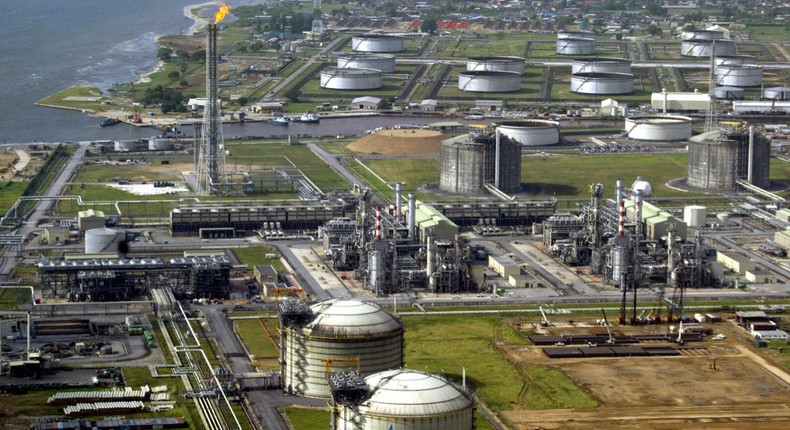
A worker examines operation of fittings at the new Port Harcourt refinery built in 1989 at the same site where the first refinery in Nigeria was built in 1965 in oil rich Port Harcourt, Rivers State, on September 16, 2015. [Pius Utomi EKPEI/AFP via Getty Images] A worker examines operation of fittings at the new Port Harcourt refinery built in 1989 at the same site where the first refinery in Nigeria was built in 1965 in oil rich Port Harcourt, Rivers State, on September 16, 2015. [Pius Utomi EKPEI/AFP via Getty Images] BI Africa
He added that the framework aligns with the president’s Renewed Hope Agenda, which places natural gas at the centre of industrial and economic planning.
Farouk Ahmed, Chief Executive of the NMDPRA, said the development brings Nigeria closer to implementing Section 159 of the Petroleum Industry Act, which mandates a formal trading and settlement framework for wholesale gas transactions.
He emphasised that the authority views the digital trading platform as more than an administrative achievement.
“The true test of licensing Jex Markets is not in the ceremony of today, but in the transformation it must deliver tomorrow,” he said.
Ahmed argued that a fully operational digital marketplace could unlock significant opportunities in supply, utilisation, and infrastructure development by reducing opacity and introducing internationally recognised trading standards.
He said the authority will maintain a technology-driven regulatory environment to give long-term investors the confidence they require.
Emomotimi Agama, Director General of the Securities and Exchange Commission, said the new platform marks a deliberate pivot away from Nigeria’s historic dependence on crude oil cycles.
In his view, a functional gas trading ecosystem will support price discovery, market liquidity, and the expansion of critical infrastructure.
He added that the commission’s mandate to protect investors and ensure transparent markets extends fully to the emerging commodities trading space.
The government expects the platform to stimulate private capital inflows, strengthen industrial supply chains, and accelerate Nigeria’s transition into a more dynamic and competitive gas economy.
Stay ahead with the latest updates!
Join The Podium Media on WhatsApp for real-time news alerts, breaking stories, and exclusive content delivered straight to your phone. Don’t miss a headline — subscribe now!
Chat with Us on WhatsApp