
1/12
Reduce salt to get greater benefits
Studies are evident that reducing everyday salt consumption can significantly help reduce blood pressure. The World Health Organization (WHO) has recommended less than 5 grams of salt consumption per day for an average adult.

2/12

Which exercises help in bringing down blood pressure
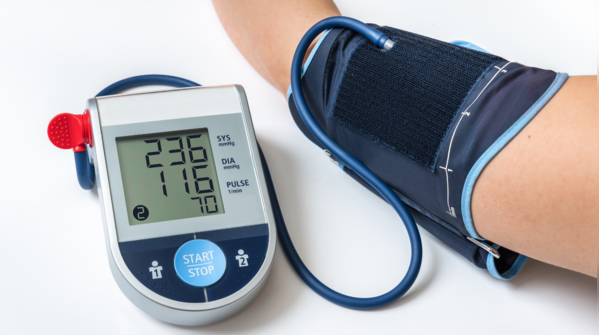
High blood pressure is generally called the “silent killer,” is one condition that demands daily care. Medications help, but small lifestyle changes often work like quiet healers. Exercise is one of the most powerful tools here, but it doesn’t always mean pounding the pavement on long walks. There are several other enjoyable forms of movement that can help lower blood pressure naturally, while also lifting mood and boosting energy.
Here are 7 exercises beyond walking that can gently but effectively support healthier blood pressure.
Read More
4/12
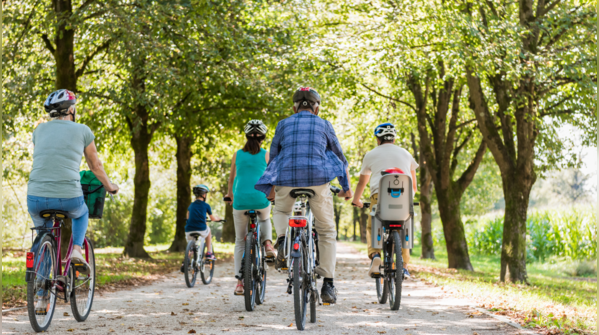
Cycling
Pedalling, whether on a cycle outdoors or on a stationary bike, gives the heart a steady workout without being overwhelming. Research highlights that moderate cycling for at least 30 minutes a few times a week improves blood circulation and helps arteries stay flexible. The joy of gliding on two wheels also doubles as a stress-buster.
Read More
5/12
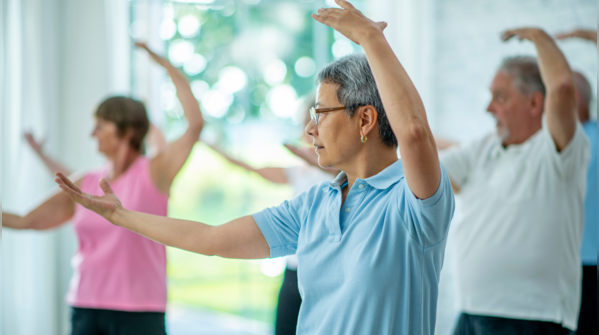
Tai Chi
This ancient Chinese practice is often described as “meditation in motion.” Tai Chi combines slow, flowing movements with deep breathing, which soothes the nervous system. Clinical trials have shown Tai Chi practice to be effective in lowering blood pressure by reducing stress levels and improving balance in the body’s autonomic functions.
Read More
6/12
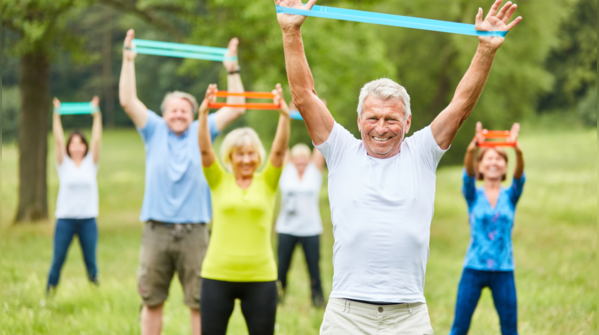
Resistance training
Lifting weights or using resistance bands isn’t only about building muscles. When done correctly and moderately, resistance training helps reduce high blood pressure by improving insulin sensitivity and strengthening blood vessels. Short sets with lighter weights are often more beneficial for hypertension management than intense heavy lifting.
Read More
7/12
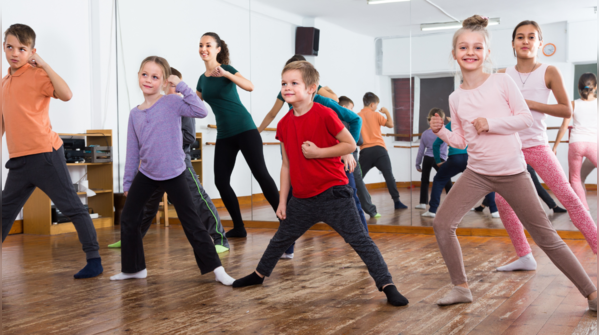
Dancing
Whether it’s classical, Zumba, or just freestyle in the living room, dancing raises the heart rate in the most joyful way possible. Several studies have found that dancing regularly can lower systolic blood pressure while also reducing cholesterol and body fat, factors closely linked with hypertension. Plus, the happiness from music and movement keeps stress away.
Read More
8/12
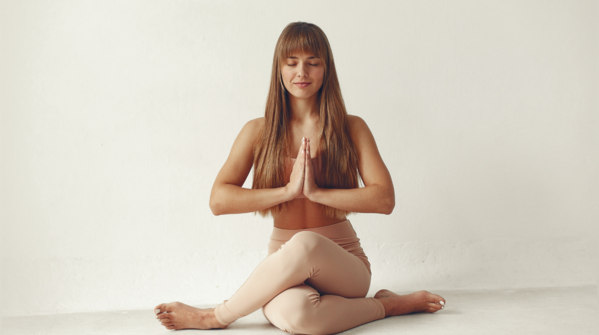
Yoga
Beyond flexibility, yoga deeply influences the nervous system. Certain postures combined with mindful breathing are known to reduce stiffness in arteries and lower cortisol levels, which in turn bring blood pressure down. Practices like Sukhasana (easy pose with breath control) or Shavasana (corpse pose relaxation) may feel simple but work wonders for the heart.
Read More

9/12
Disclaimer
This article is for informational purposes only. It does not replace professional medical advice. Anyone with high blood pressure or other health conditions should consult a doctor before beginning or changing an exercise routine.
5 nighttime drinks for hypertension patients to reduce high blood pressure naturallyAlso See:
Read More

10/12
Rowing
Rowing, either on water or a rowing machine, blends cardiovascular fitness with muscle strength. It improves blood flow, strengthens the back and arms, and lowers resting blood pressure over time. The rhythmic pull-and-release action also mimics deep breathing, which calms the nervous system.
Read More

11/12
Exercise in any form is good
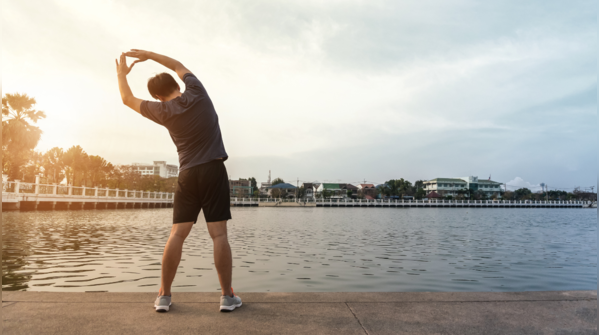
Remember, exercise in any form is good, but what is even more important is to do it consistently. Whether it’s walking, yoga, cycling, or a quick 10-minute home workout, the key is to make movement a regular part of your daily routine. You don’t need intense gym sessions or fancy equipment to see results — what matters most is showing up for yourself every day.
Read More
12/12
Can somatic exercises help reduce blood pressure?
Yes, somatic exercises can certainly contribute to reducing blood pressure, primarily by engaging the body’s parasympathetic nervous system to lower stress and regulate the cardiovascular system. Somatic practices emphasize mind-body connection, focusing on gentle, slow movements and deep, mindful breathing exercises, which are known to trigger the body’s relaxation response. This helps to reduce the levels of stress hormones like cortisol, which typically constrict blood vessels and raise blood pressure.
Credit: www.timesofindia.indiatimes.com

Stay ahead with the latest updates!
Join The Podium Media on WhatsApp for real-time news alerts, breaking stories, and exclusive content delivered straight to your phone. Don’t miss a headline — subscribe now!
Chat with Us on WhatsApp