
- Certain foods—like grapefruit, aged cheese, and licorice—can interfere with how blood pressure medications work.
- These foods may increase side effects, cause dangerous mineral imbalances, or even raise blood pressure.
- Talk to your healthcare provider before making dietary changes while taking blood pressure medication.
What you eat matters when taking blood pressure medication. Foods can increase, lower, or counteract the effects of these drugs. Health asked experts which foods to avoid when taking blood pressure medications.
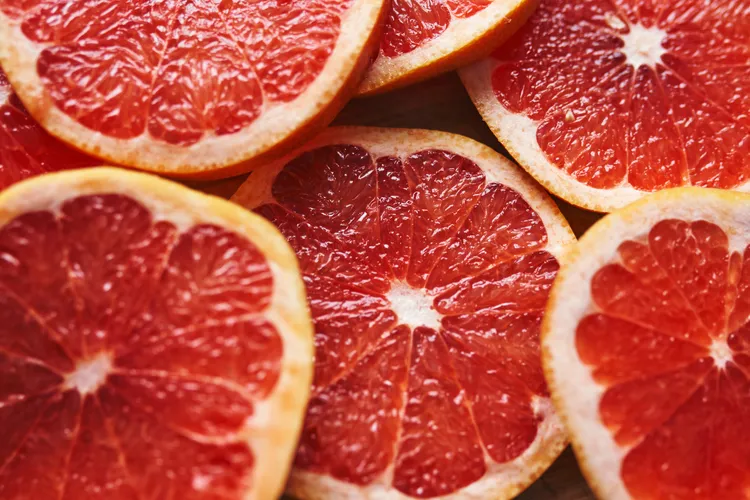
1. Grapefruit
:max_bytes(150000):strip_icc():format(webp)/Health-GettyImages-HighBloodPressure-Grapefruit-ce1cbcec84074c86939b012383077179.jpg)
Grapefruit blocks an enzyme called CYP3A4. This enzyme breaks down many drugs. When grapefruit blocks the enzyme, the medicine stays in your blood longer. This can make the drug stronger and cause side effects.1 Grapefruit juice can also reduce the absorption of some medicines. This decreases the drug’s effects.2
Grapefruit or grapefruit juice can increase the effects of calcium channel blockers.3 Also, grapefruit juice can reduce the absorption of beta blockers.2
What Experts Say: “Certain fruit juices, such as grapefruit and orange juice, can lower the absorption of beta blockers, making them less effective,’’ Jacqueline Dowe, MD, a board-certified and fellowship-trained cardiologist at the Orlando Health Heart and Vascular Institute, told Health.
2. Aged Cheese
:max_bytes(150000):strip_icc():format(webp)/Health-GettyImages-HighBloodPressure-AgedCheese-f94ddeaaeb3245cdb3663a23d0d82811.jpg)
Aged cheese is rich in tyramine. Tyramine can suddenly raise blood pressure when combined with monoamine oxidase inhibitors (MAOIs), a type of antidepressant. MAOIs block the enzyme that breaks down tyramine.4 Keep in mind, this doesn’t apply to everyone, just people who are also taking antidepressants.
Other foods high in tyramine include fermented vegetables such as sauerkraut, smoked meats like bacon, salami, and ham, and certain alcoholic beverages. Eating high-tyramine foods, like aged cheese, while taking MAOIs can raise tyramine levels in your blood.4
What Experts Say: “MAOIs interact with aged cheese and can cause a sudden spike in blood pressure. Aged cheese, which is high in tyramine, is not off-limits if you are taking standard antihypertensive medications,” Leonard Pianko, MD, a cardiologist at Aventura Cardiovascular Center in Florida, told Health.
3. High-Sodium Foods
:max_bytes(150000):strip_icc():format(webp)/Health-GettyImages-HighBloodPressure-SaltyFoods-7dd4c32f164c4260a87902c0d61655b1.jpg)
Studies show that eating less sodium can improve blood pressure.5 Also, the American Heart Association (AHA) recommends limiting sodium intake to 1,500 milligrams per day.6 A high-sodium diet can counteract the effect of blood pressure medications.7
High sodium usually comes from packaged foods such as fast food, frozen meals, condiments, and salty snacks. Check nutrition labels and pick options with less sodium per serving.
What Experts Say: “Eating foods with a high salt content can reduce the effectiveness of medications such as diuretics and beta blockers, which are intended to lower blood pressure. The salt in your food can increase fluid retention in your kidneys, potentially leading to elevated blood pressure,’’ said Pianko. “I recommend that my patients spread out their salt intake rather than consuming it all at once.”
4. High-Potassium Foods
:max_bytes(150000):strip_icc():format(webp)/Health-GettyImages-HighBloodPressure-Banana-bf287c242906479d8d04ba8307826366.jpg)
Some blood pressure medications can increase potassium levels in your blood, so it’s not recommended for people with chronic kidney disease, or taking certain medications like spironolactone, who have had issues with high potassium foods.
While potassium is recommended for many people with high blood pressure, some blood pressure medications can cause hypokalemia (low blood potassium levels). Consult your doctor before reducing potassium intake.
What Experts Say: “If you’re on a medication that increases potassium level, such as a potassium-sparing diuretic (for example, spironolactone) or an ACE inhibitor (for example, lisinopril, enalapril, fosinopril, captopril), try to avoid eating food rich in potassium,’’ said Dowe.
5. Licorice
:max_bytes(150000):strip_icc():format(webp)/Health-GettyImages-HighBloodPressure-Licorice-f980d384f8fd4e42aaa7a4f8fe333d0e.jpg)
Licorice is a root that’s naturally sweet and used in candies and herbal remedies.8 Licorice can cause your body to hold more sodium and water while it loses more potassium. This reduces the effectiveness of diuretics and ACE inhibitors.9 This may raise blood pressure and cause abnormal heart rhythms. In severe cases, it can lead to serious heart conditions.1010
How Some Foods Interact with Blood Pressure Medications
Some nutrients or compounds in foods can affect blood pressure medications in several ways:11
- Block drug absorption: Food can lower drug absorption, making the medication less effective.
- Reduce drug breakdown: Food can block drug breakdown, so the medicine stays in your blood longer. This can cause more side effects.
- Increase drug absorption: Food can increase drug absorption. Too much medicine in the body can cause side effects.
- Increase blood pressure, which can counteract drug effects: Some foods, like those high in sodium, can increase blood pressure. This can work against the effects of medicines.
- Cause mineral imbalances: Potassium and sodium balance is important for controlling blood pressure. Some medicines change how your body keeps or gets rid of these minerals.
Stay ahead with the latest updates!
Join The Podium Media on WhatsApp for real-time news alerts, breaking stories, and exclusive content delivered straight to your phone. Don’t miss a headline — subscribe now!
Chat with Us on WhatsApp